Karnataka health department transfers 5,676 officers, staffers in major anti-corruption move
_vb_89_vb_32.jpeg)
Bengaluru: In a sweeping move aimed at curbing corruption and boosting transparency, the Karnataka health department has transferred 5,676 officers and staff members across the state in accordance with the Karnataka Civil Services (Regulation of Transfer of Medical Officers and Other Staff) Rules, 2025.
According to a report by Deccan Herald, the department adopted a data-driven approach to the transfer process by categorising districts into critical and non-critical zones. Medical officers were evaluated on a points-based system, awarding two marks for each year of rural service and 1.5 marks for urban postings. Based on these scores, doctors were ranked. The ranks determined the priority order for them to choose the place of their liking.
The non-critical zones are more in number than the critical zones. After the first set of doctors chose non-critical zones, and the number of critical and non-critical zones reached parity, the remaining doctors were required to opt for positions in critical zones.
A grievance redressal committee has also been constituted to handle objections or appeals related to postings.
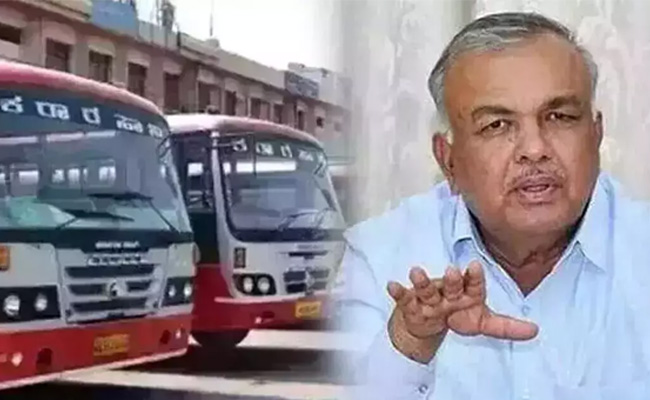
“There will be annual transfers in the same way as it helps clean up the system. My office was filled with people with recommendation letters from politicians and other influential persons, because people felt that was how the system works. Through this new method, all lobbying will end,” DH quoted Health Minister Dinesh Gundu Rao as saying.
To manage the scale of the operation, eight teams were deployed in each district to oversee the counselling process, which was held at district health offices. Remote staff were able to participate online, eliminating the need to travel to Bengaluru. The process was supported by specialised software displaying real-time vacancy data, with senior officials joining virtually via video conferencing.
Rao acknowledged the challenges involved, noting that the department had to consider the personal impact on families. "We had a lot of humanitarian challenges. We had to take into consideration how transfers affect officials' families," he said.
Due to some vacancies remaining unfilled in critical zones, a second round of counselling was conducted.
Let the Truth be known. If you read VB and like VB, please be a VB Supporter and Help us deliver the Truth to one and all.
Congress using hijab issue to pacify minority anger, alleges Karnataka LoP R Ashoka
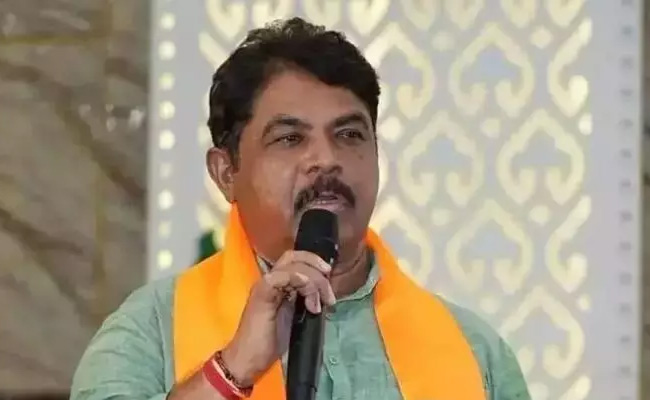
Bengaluru: Leader of Opposition in the Assembly R. Ashoka has accused the Congress government of using the hijab issue to placate what he described as discontent among minority voters after the Davanagere by-election.
In a post on X on Wednesday, Ashoka alleged that the state government, instead of addressing issues such as price rise, corruption, farmers’ distress and law and order, was attempting to retain its minority vote base by reviving the hijab issue.
Referring to the 2022 dress code introduced by the BJP government, which prohibited hijab in schools and colleges, Ashoka said the Karnataka High Court had upheld the policy and emphasised the importance of discipline in educational institutions.
He questioned the Congress government’s move to revisit the issue and asked whether setting aside the court-backed policy to benefit one community could be described as secularism.
Ashoka further alleged that while the government was willing to permit hijab, it continued to prohibit saffron shawls.
He accused the government of dividing students on religious lines rather than treating schools and colleges as spaces of equality.
Drawing a comparison with Mamata Banerjee’s government in West Bengal, Ashoka claimed that excessive appeasement politics had harmed the state and warned that the Congress in Karnataka could face a similar political response.
He said voters in Karnataka would teach the Congress a lesson for what he termed “vote-bank politics” and for compromising constitutional and judicial principles.