Karnataka HM G Parameshwara rejects demand for CBI probe in cases against Prajwal Revanna
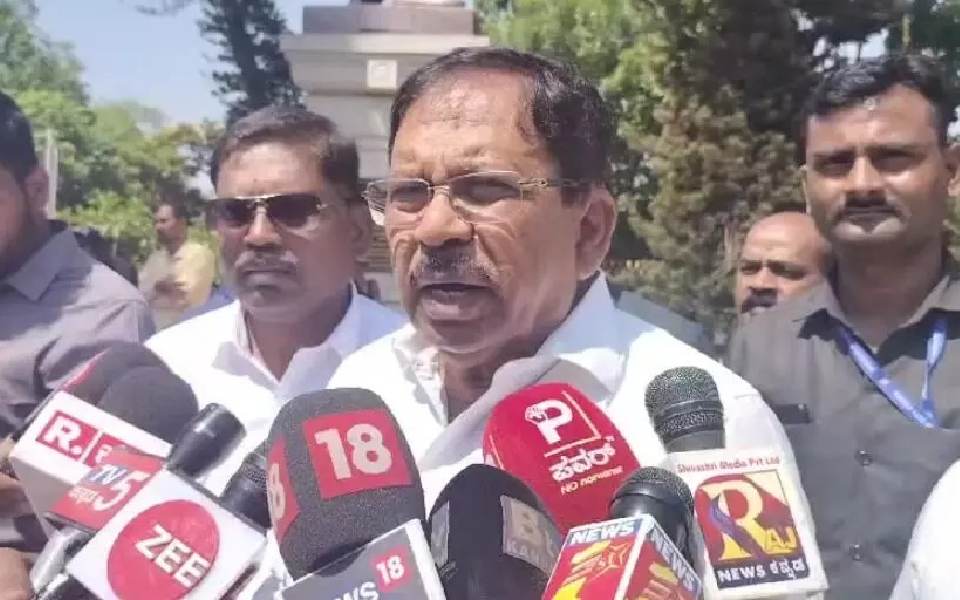
Bengaluru, May 8: Karnataka Home Minister Dr G Parameshwara on Wednesday turned down former Chief Minister H D Kumaraswamy’s demand for a CBI probe into the sexual harassment case against JD(S) MP Prajwal Revanna.
He said the state government's CID is competent enough to investigate the case.
“Kumaraswamy had raised over 100 questions. I cannot answer all of them. He had asked for the CBI probe, which we will not do. The SIT is competent. I have said that we will get a proper investigation done,” the Home Minister said.
According to Parameshwara, three people have been arrested so far in a case related to kidnapping of a woman, who is a mother of three, in which Holenarasipura JD(S) MLA and Prajwal’s father H D Revanna is also an accused and presently in the jail serving the judicial custody.
Revanna is the son of former Prime Minister and JD(S) supremo H D Deve Gowda. His son Prajwal, who is under investigation for multiple cases of sexual harassment of women, has reportedly fled the country and is absconding.
Regarding the progress in the investigation, the home minister said three people have been arrested, including Revanna and his aide Sathish Babanna.
He declined to share the details of the third person saying that disclosing the name would affect the investigation.
To a question whether there will be any investigation against those who leaked the videos, Parameshwara said, “We do not wish to hide anything. The probe will also cover the circulation of the pen drive.”
“Kumaraswamy has alleged that policemen have distributed it. Which police distributed it and where, are the aspects we have to look into. The SIT will decide whether to issue any notice to Kumaraswamy on his charges,” Parameshwara explained.
He said the government trusts the SIT and will wait for its report to be submitted.
On Kumaraswamy’s demand to investigate Rahul Gandhi for his statement that 400 women were raped, Parameshwara said that it would be the decision of the SIT.
On not arresting Karthik Gowda, driver of Prajwal Revanna, who is believed to have had the pen drive containing explicit videos allegedly involving the MP and several women, Parameshwara said there should be clear evidence to arrest someone.
“Until we receive evidence, we cannot arrest Karthik or Devaraje Gowda (BJP leader),” the minister said.
On giving protection to Karthik or Devaraje Gowda, Parameshwara said that protection would be extended only to the women who were victims and nobody else.
Let the Truth be known. If you read VB and like VB, please be a VB Supporter and Help us deliver the Truth to one and all.
Congress using hijab issue to pacify minority anger, alleges Karnataka LoP R Ashoka
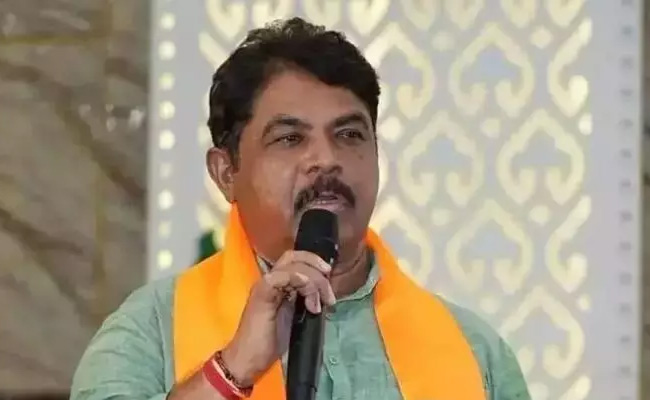
Bengaluru: Leader of Opposition in the Assembly R. Ashoka has accused the Congress government of using the hijab issue to placate what he described as discontent among minority voters after the Davanagere by-election.
In a post on X on Wednesday, Ashoka alleged that the state government, instead of addressing issues such as price rise, corruption, farmers’ distress and law and order, was attempting to retain its minority vote base by reviving the hijab issue.
Referring to the 2022 dress code introduced by the BJP government, which prohibited hijab in schools and colleges, Ashoka said the Karnataka High Court had upheld the policy and emphasised the importance of discipline in educational institutions.
He questioned the Congress government’s move to revisit the issue and asked whether setting aside the court-backed policy to benefit one community could be described as secularism.
Ashoka further alleged that while the government was willing to permit hijab, it continued to prohibit saffron shawls.
He accused the government of dividing students on religious lines rather than treating schools and colleges as spaces of equality.
Drawing a comparison with Mamata Banerjee’s government in West Bengal, Ashoka claimed that excessive appeasement politics had harmed the state and warned that the Congress in Karnataka could face a similar political response.
He said voters in Karnataka would teach the Congress a lesson for what he termed “vote-bank politics” and for compromising constitutional and judicial principles.