Karnataka to frame law restricting mobile use among under -16 students: Minister
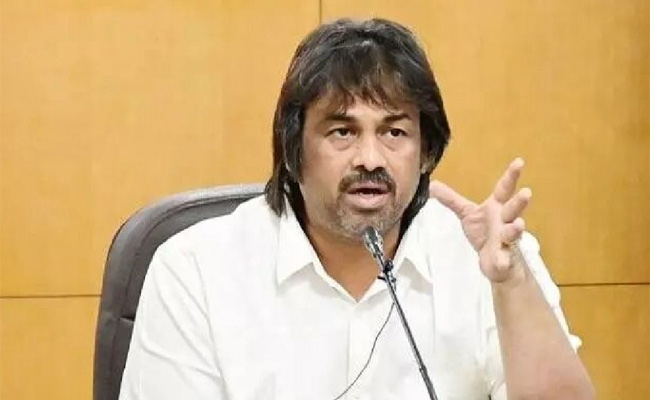
Bengaluru (PTI): Karnataka Primary and Secondary Education Minister Madhu Bangarappa on Monday said the government will bring a comprehensive framework to regulate mobile phone and social media usage among students below 16 years, acknowledging growing concerns over its impact on children.
He was replying to the question raised by MLCs Pratap Nayak and Javare Gowda, who urged the government to take urgent and stringent measures, warning that mobile addiction among children has reached alarming levels.
Replying during Question Hour in the Karnataka Legislative Council, the minister said that while restrictions already exist, enforcement has been weak and the government is now working on stronger guidelines in consultation with multiple stakeholders.
"For the first time in India, our government has proposed in the Budget that mobile use should be banned for children below 16 years," he said.
ALSO READ: Congress demands PM's briefing on West Asia conflict; flags LPG shortage, inflation
He added that although laws prohibiting the use of mobile phones in schools are in place, it was not being practised. Some students used them outside, and there was no proper system, he added. Explaining the rationale, Bangarappa said mobile phones, while useful for learning, have increasingly become a source of harmful content.
"If mobile helps learning, it is okay, but most of what is coming today is unnecessary. Children take whatever input is given," he noted.
The Minister said the government is coordinating with the IT Department, which has formed a committee to examine social media practices, and that detailed guidelines are being prepared. He also underlined the reintroduction of moral education in schools.
"Moral science books are being provided free of cost to all students from this year, and specific periods have been fixed to teach it," Bangarappa said.
Emphasising the need for a balanced approach, the Minister said mobile phones cannot be completely eliminated in the present era.
"In today's AI and modern age, we cannot pull it out at once; we will bring a law on how to impose restrictions," he said, adding that the proposal would be placed before the House in the next session after wider consultations.
The minister said inputs would be sought from parents, experts and international child organisations before finalising the policy.
"This concerns the future of our children. Misuse of social media is a big problem in our country," he observed.
The minister also acknowledged concerns raised by members that excessive dependence on mobile phones is affecting students severely. "If it harms their future, we must take strict action," Bangarppa said, while cautioning that mere prohibition may not be effective, as children may continue to access devices secretly.
The minister said the government aims to evolve a model policy.
"Since this is being done for the first time in India, I want it to become an example for others," he added.
Let the Truth be known. If you read VB and like VB, please be a VB Supporter and Help us deliver the Truth to one and all.
Lebanon appoints new representative for talks with Israel, rejects linkage to Iran
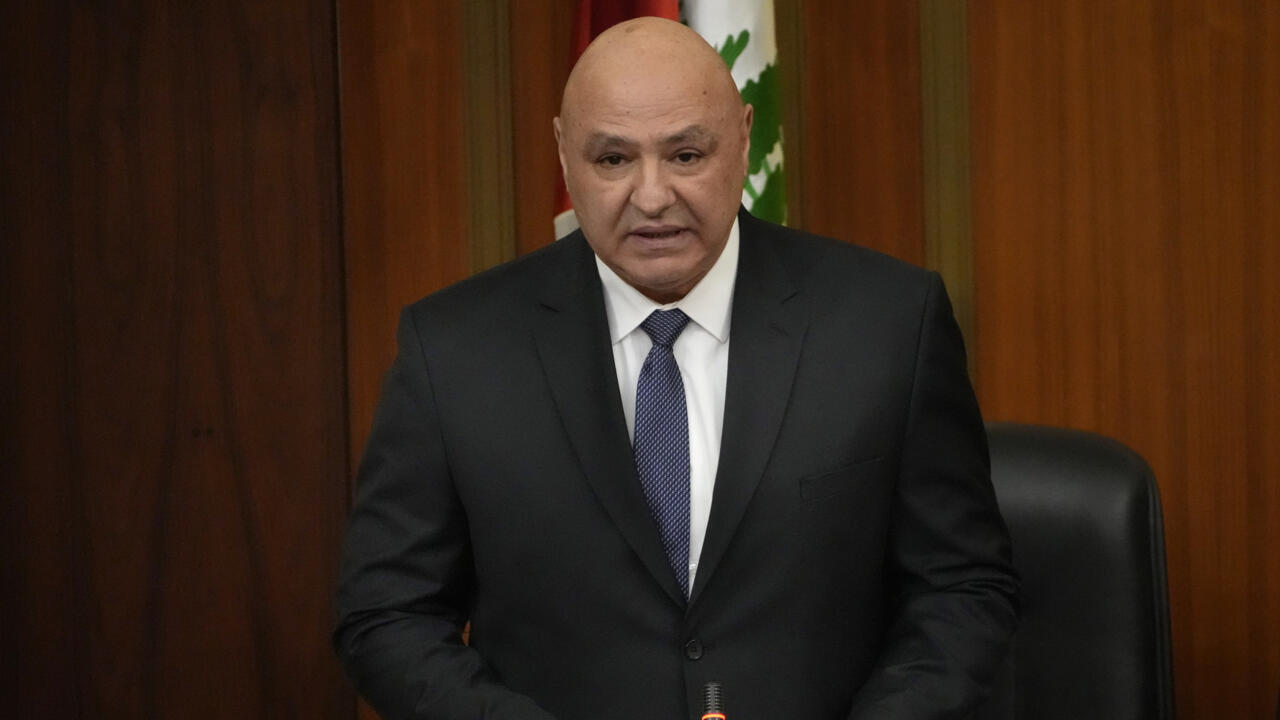
Beirut: Lebanon’s has moved to underline its independent position in ongoing regional developments, amid attempts to link the country to the broader conflict involving Iran, the United States and Israel.
President Joseph Aoun, while announcing the appointment of former US ambassador Simon Karam as Lebanon’s representative in talks with Israel, made it clear that Karam would be the sole representative for Lebanon and that there would be no substitute.
The move comes in response to what the Lebanese officials see as efforts by Iran to tie Lebanon’s situation to the wider regional conflict. Iran had indicated that there would be no ceasefire involving the US, Israel and Iran unless it also included a ceasefire in Lebanon.
Some groups, including Hezbollah and its supporters, had expressed support for linking the situations, citing concerns that the Lebanese government has limited leverage in negotiations with Israel. Lebanon is not formally a party to the conflict, and its army is considered weak.
However, others, including Prime Minister Nawaf Salam, have opposed this approach. They view Iran’s stance as an attempt to influence Lebanon’s internal affairs and see it as undermining the country’s sovereignty.
Officials backing the government’s position say the move is aimed at reaffirming Lebanon’s sovereignty and ensuring that decisions about peace and ceasefire within the country are not dictated externally.
They also see it as a safeguard, so that any breakdown in talks between the US, Israel and Iran does not automatically lead to renewed conflict in Lebanon.