Kharge's son-in-law emerges as front-runner for Gulbarga seat as Cong Prez focuses on national pitch
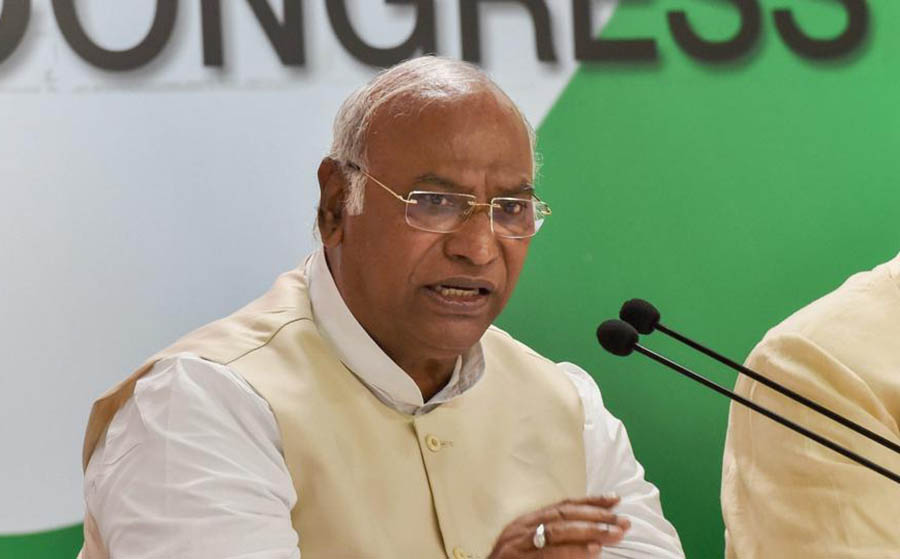
Bengaluru (PTI): M Mallikarjun Kharge's son-in-law Radhakrishna Doddamani has emerged as the front-runner for Congress ticket to contest the upcoming Lok Sabha elections in the home turf of the party's President.
The 81-year-old Kharge had won from Gulbarga (Kalaburagi) Lok Sabha segment twice but lost the 2019 polls.
"The Leader of Opposition in Rajya Sabha's hands are full. In addition to managing party affairs at the national level, he has to coordinate with INDIA bloc partners", a senior party leader said.
"Also, he has four more years of his term left in Rajya Sabha", he said, seeking to confirm reports that Kharge is not in favour of contesting from Kalaburagi.
His son, Priyank Kharge, who represents Chittapur assembly constituency in Gulbarga segment and is a Minister in the Siddaramaiah cabinet in Karnataka, is also not interested to throw his hat in the ring.
"Doddamani, a businessman who also manages educational institutions, seems to be the front runner", a party leader said.
Party sources said the Congress President will take a final call on whether or not to contest the polls in consultation with top leaders including Sonia Gandhi and Rahul Gandhi.
Kharge will have the final word on whether it is Doddamani or anyone else who would be the candidate from Gulbarga, as it is his home turf, the sources said.
Doddamani, who was initially reluctant to enter the fray, has been asked to be prepared to be fielded.
Born in Kalaburagi, Doddamani has maintained a low profile; he has always worked actively behind the scenes in managing and strategising for Kharge's successive electoral campaign. He is said to be popular among party workers and supporters, especially in the Gurmitkal Assembly segment, which Kharge represented consecutively between 1972 and 2004.
Congress' poll managers in Kalaburagi during a recent meeting with party legislators and leaders from the segment are said to have discussed Doddamani's probable candidacy, and about ensuring his victory.
Kharge was defeated by BJP's Umesh Jadhav by 95,452 votes in the 2019 Lok Sabha polls. Popularly known as "Solillada Saradara", (a leader without defeat), that was the first electoral loss in Kharge's political life spanning several decades.
Ahead of the polls, Jadhav had quit as Congress MLA and joined the BJP to contest the Lok Sabha election from Gulbarga.
The 2019 election was considered a tough one for Kharge, a nine-time MLA and two-term Lok Sabha member, as several senior leaders of Congress like Baburao Chinchansur, A B Malaka Reddy and Malikayya Guttedar, from the region had quit the party and joined BJP.
These leaders along with Jadhav, who had quit the Congress upset over the "dominance" of Kharge and his son Priyank Kharge (who was then Minister in the Congress-JD(S) coalition government) in the region, found a common ground and aggressively campaigned against the father-son duo.
Kharge, who was earlier leader of the Congress party in Lok Sabha, had served as Union Cabinet Minister- Labour and Employment, also Railways and Social Justice and Empowerment in the Manmohan Singh-led UPA government.
He had also held various portfolios in successive Congress governments that governed the state and was also president of Karnataka Congress and leader of opposition in the state assembly.
Gulbarga for long had been a bastion of the Congress. Before 2019, it had lost its hold over the constituency only in 1996 and 1998 Lok Sabha polls when the Janata Dal and BJP had won the seat, respectively.
Gulbarga has eight assembly seats of which Congress currently holds six, and BJP and JD(S) one each.
Let the Truth be known. If you read VB and like VB, please be a VB Supporter and Help us deliver the Truth to one and all.
Patna-bound IndiGo flight makes emergency landing at Lucknow due to bad weather
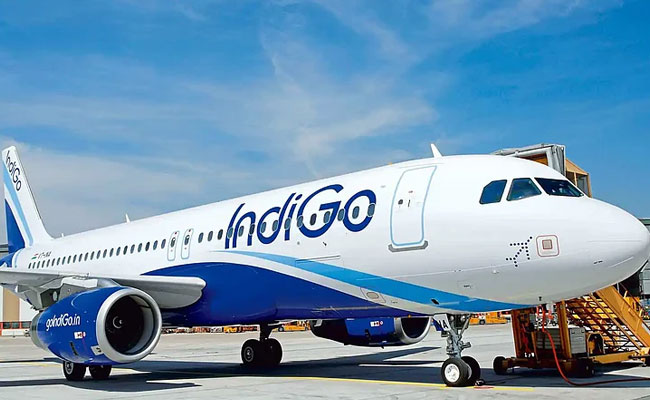
Lucknow (PTI): Adverse weather forced an IndiGo Kolkata-Patna flight to make an emergency landing at Lucknow airport on Friday, airport sources said.
According to airport officials, weather conditions in Patna deteriorated suddenly on Friday afternoon, affecting flight operations.
IndiGo flight 6E 6917 from Kolkata, which was scheduled to land in Patna at 3.50 pm, could not land due to bad weather and kept circling in the air after failing to get clearance from air traffic control, they said.
The flight was later diverted to Lucknow and landed safely at the Chaudhary Charan Singh International Airport at around 5.15 pm. There were 180 passengers and six crew members on board, officials said.
The aircraft was later allowed to depart for Patna after weather conditions improved.