K'taka govt. establishes special task force in DK, Udupi, Shivamogga to combat anti-social elements
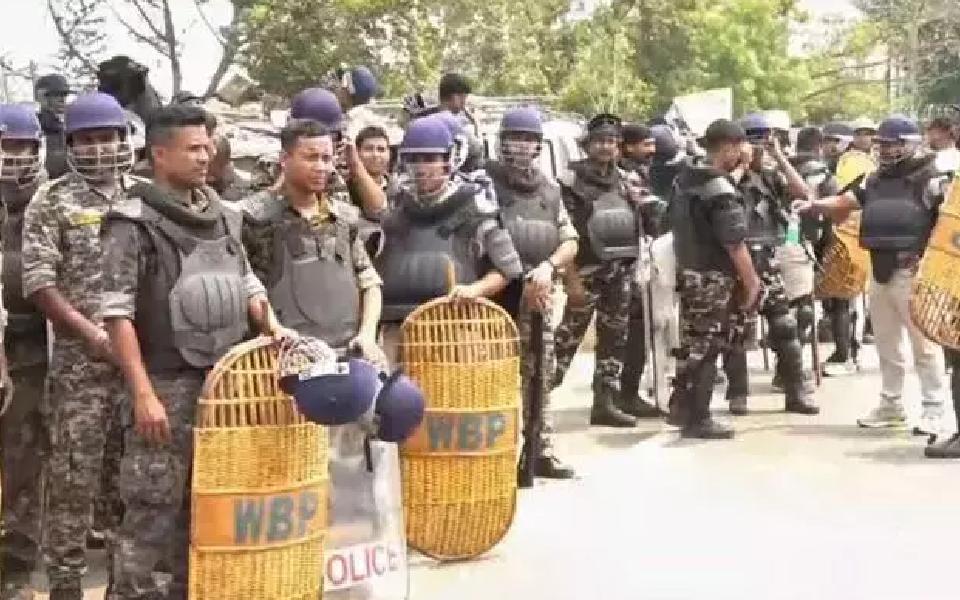
Mangaluru: The Karnataka government on Thursday issued orders to establish the STF-Special Task Force (STF) in Dakshina Kannada, Udupi and Shivamogga districts in order to curtail anti-social, communal forces.
“Communal conflicts are taking place frequently in the coastal districts, which is affecting law and order. Such incidents are becoming a black spot for the administration, and in order to control this, the government is forming the STF,” said Home Minister Dr. G. Parameshwara in Mangaluru.
Member of the Legislative Council, Ivan D'souza speaking on the formation of STF, said, “To curb forces that are harmful to society, the government has decided to establish a special task force in the coastal and Malnad districts. It will also act against those making provocative statements and speeches. We will request the government to set up the STF headquarters in Mangaluru, covering the districts of Dakshina Kannada, Udupi, and Shivamogga.”
According to official sources, the proposal to form the STF was put forth by the respective district Superintendents of Police and Police Commissioners, and subsequently approved.
Intelligence inputs also suggest the movement of Naxal elements from Chhattisgarh and Jharkhand into the border areas of Karnataka, Kerala, and Tamil Nadu, prompting a restructuring within the existing Anti-Naxal Force (ANF).
According to reports, of the 667 sanctioned positions in the ANF, 248 have now been reassigned to the STF, while the remaining 376 will continue in ANF roles for the next three years. The STF will comprise 1 DIGP, 1 DySP (Civil), 1 Assistant Commandant, 4 PI/RPI, 16 PSI/RSI/SI, 60 CHC, 150 CPC/APC, and 15 support staff.
The force will operate through three companies stationed in Udupi, Shivamogga, and Dakshina Kannada.
The functioning of the STF is as follows:
-
To have an intelligence unit comprising a technical cell to collect and monitor media and social media, intelligence information for hate speech, inflammatory incidents and communal incidents.
-
Create a warning system through surveillance and human intelligence for potential communal violence.
-
The STF will engage in confidence-building measures and establish a visible presence in sensitive areas to deter unrest.
-
Efforts will also be made to identify and monitor individuals showing signs of radicalization.
-
The Zonal IGP will take action to deploy special task force officers and personnel in the event of communal riots.
Let the Truth be known. If you read VB and like VB, please be a VB Supporter and Help us deliver the Truth to one and all.
Illegal sand mining has created environmental crisis in National Chambal Gharial Sanctuary: SC
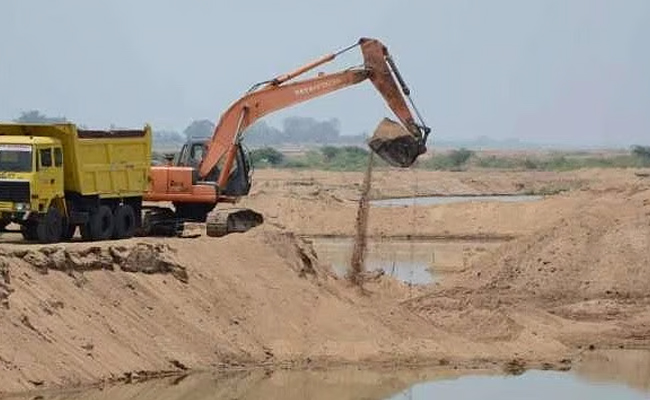
New Delhi (PTI): The Supreme Court on Friday said rampant illegal riverbed sand mining has created an "environmental crisis" and wreaked "havoc" in the National Chambal Gharial Sanctuary, causing a grave risk to the gharial (long-snouted crocodile) preservation project.
Slamming the states of Rajasthan, Madhya Pradesh and Uttar Pradesh for their utter failure in dealing with the issue, the apex court directed them to install high-resolution Wi-Fi-enabled CCTV cameras along all routes frequently used for illegal sand mining in the area.
A bench of Justices Vikram Nath and Sandeep Mehta directed that live feed of such surveillance cameras shall be placed under the direct control, supervision and operational oversight of the superintendent of police or the senior superintendent of police of the concerned district and the divisional forest officer.
It said these officers shall ensure continuous and effective monitoring of the CCTV feeds by designating appropriate officers.
"It can't be gainsaid that the issues involved are of great concern in as much as the rampant illegal mining activities in the river bed have created an environmental crisis and havoc in the National Chambal Gharial Sanctuary causing a grave risk to the very project of gharial preservation of which the state governments themselves were proponents and were under an obligation to foster and promote," Justice Mehta said while pronouncing the order.
The bench directed the authorities in these three states to initiate prompt and necessary action under law if any instance of illegal mining or allied activities comes to light.
It said the authorities shall ensure seizure of vehicles or machinery found involved in illegal sand mining and also initiate prosecution of persons involved in it.
The bench, which passed several other directions, posted the matter for hearing on May 11.
The top court passed the order in a suo motu case titled 'In Re: Illegal sand mining in the National Chambal Sanctuary and threat to endangered aquatic wildlife'.
The National Chambal Sanctuary, also called the National Chambal Gharial Wildlife Sanctuary, is a 5,400-sq km tri-state protected area.
Besides the endangered gharial, it is home to the red-crowned roof turtle and the endangered Ganges river Dolphin.
Located on the Chambal river near the tripoint of Rajasthan, Madhya Pradesh and Uttar Pradesh, the sanctuary was first declared a protected area in Madhya Pradesh in 1978 and now constitutes a long and narrow eco-reserve co-administered by the three states.
On March 13, the top court took suo motu cognisance of news reports about rampant illegal sand mining on the banks of the Chambal river.