K'taka Minister Sharan Prakash Patil says COVID situation under control, urges caution
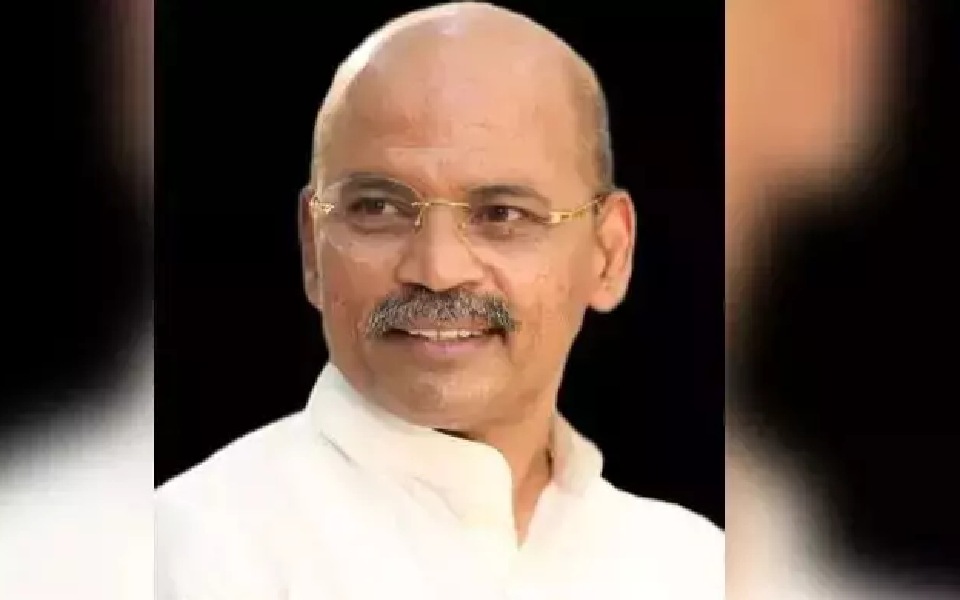
Bengaluru, May 27 (PTI): With COVID-19 cases on the rise in the state, Karnataka Medical Education Minister Sharan Prakash Patil on Tuesday said doctors and health workers have been instructed to wear masks.
He said there is no reason for the public to panic, as the government has taken all necessary precautionary measures.
Speaking to reporters after a COVID-19 preparedness meeting with all the directors of state-run medical colleges and hospitals here, the minister reassured citizens, saying “COVID cases are increasing daily, but there is no need for undue worry. Pregnant women should use masks. The government is fully prepared. People should also cooperate with us,” he stated.
As schools are set to reopen after summer vacation, he said students showing symptoms of fever, cold or cough should not be sent to school. If children develop symptoms during school hours, parents should be contacted and the child sent home immediately.
"We must conduct testing for all SARI (Severe Acute Respiratory Infection) cases. I’ve held meetings with directors of all medical education hospitals. We’ve arranged labs and testing will be done across four divisions. Instructions have been given to collect data on oxygen beds and ventilators," he said in a statement.
With a possible spike in COVID cases expected in Bengaluru and across Karnataka, the minister advised senior citizens and pregnant women to use masks in crowded places.
The Minister said that despite rising cases, masks are not mandatory for everyone and only those with fever, cold or cough need to wear them.
"We’re monitoring the situation closely. This time, heavy rains and changing weather are also causing seasonal illness," Patil said.
Noting that Bengaluru is witnessing the highest number of new COVID cases in the state, the Minister, however, said that the infection is not spreading rapidly.
“There is no need for panic if people follow government guidelines. Most people are already vaccinated. If necessary, we’ll coordinate with the Union Health Ministry to procure more vaccines,” he assured.
He said even as cases increase, there is no cause for alarm.
"Testing facilities should be kept ready. As a precaution, health workers must wear masks. Instructions have been given to check the availability of medicines and oxygen beds and to submit reports accordingly, Patil added.
Let the Truth be known. If you read VB and like VB, please be a VB Supporter and Help us deliver the Truth to one and all.
Ordinance issued to increase number of Supreme Court judges from 34 to 38
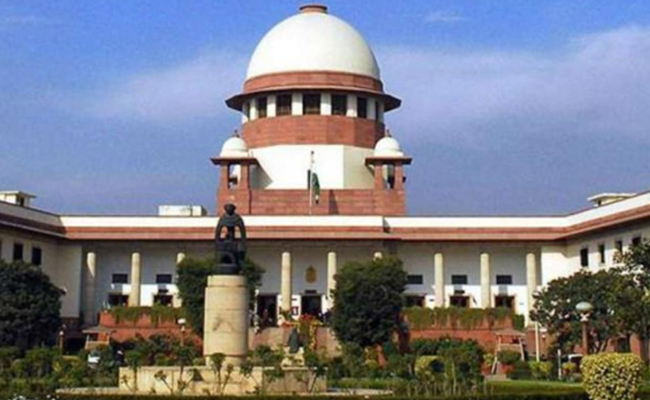
New Delhi (PTI): The government has promulgated an ordinance to increase the strength of the Supreme Court from the present 34 judges to 38, including the Chief Justice of India.
The law ministry notified the ordinance on Saturday, which amended the Supreme Court (Number of Judges) Act, 1956, to increase the sanctioned strength of the top court.
So far, the sanctioned strength of the top court was 34, including the Chief Justice of India (CJI). Now, the number of judges has been increased by four, taking the sanctioned strength to 38.
The top court will now have 37 judges, other than the CJI.
With the apex court having two vacancies at present, and the ordinance coming into force immediately, the Supreme Court Collegium will now have to recommend six names for appointment as judges in the top court.
A bill will be brought in the Monsoon Session of Parliament to convert the ordinance – an executive order – into a law passed by Parliament.
The Union Cabinet had cleared a draft bill on May 5 to increase the number of apex court judges.
The strength of the Supreme Court was last increased from 30 to 33 (excluding the CJI) in 2019.
The Supreme Court (Number of Judges) Act, as originally enacted in 1956, put the maximum number of judges (excluding the CJI) at 10.
This number was increased to 13 by the Supreme Court (Number of Judges), Amendment Act, 1960, and to 17 by another amendment to the law.
The Supreme Court (Number of Judges) Amendment Act, 1986, augmented the strength of judges from 17 to 25, excluding the CJI.
A fresh amendment in 2009 further increased the strength from 25 to 30.
Article 124(3) of the Constitution lists the qualifications required to become a Supreme Court judge.
An Indian citizen who has either served as a high court judge for at least five years, or as an advocate for 10 years, or is a distinguished jurist, can be appointed to the top court.
The strength of the Supreme Court is increased based on the recommendations of the CJI, who writes to the Union law minister. After consulting the finance ministry, the Department of Justice under the law ministry moves the Cabinet with a draft bill.