LS polls: BJP announces four more candidates for Karnataka
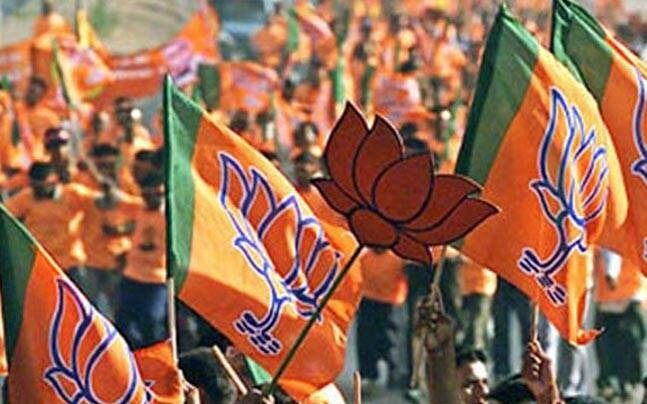
Bengaluru, Mar 24: Former Chief Minister Jagadish Shettar and former Karnataka Assembly Speaker Vishveshwar Hegde Kageri are among the four candidates in the BJP's second list for Karnataka on Sunday.
As expected, Shettar will contest from Belgaum (Belagavi) constituency, while Kageri will fight from Uttara Kannada district, replacing sitting MP Anantkumar Hegde.
According to the list released by the party in New Delhi, the other two candidates fielded by the party are former Health Minister Dr K Sudhakar from Chikkaballapura and Raja Amareshwara Naik from Raichur.
Shettar assumed different positions right from party state president, leader of the opposition, assembly speaker and chief minister of Karnataka.
A staunch RSS man, Shettar quit the BJP in 2023 when he was denied a ticket in the assembly election. In less than a year, he was back to his parent organisation.
ALSO READ: Mining baron Janardhana Reddy to rejoin BJP
Shettar wanted to contest the Lok Sabha election from Haveri constituency but the party decided to field him from Belagavi.
Kageri's selection was also on the anvil as the party had made up its mind to find a suitable replacement to Anantkumar Hegde, who had caused much embarrassment to the party time and again.
Kageri, a six-time MLA, is well known for his balanced views, his strong footing in the RSS ideology and well-weighed words. He hails from Sirsi in Uttara Kannada district.
As Union Minister of State, Hedge, on December 26, 2017, said that the BJP came to power to change the Constitution triggering a nationwide uproar. Later, he had to apologise for his comment.
Recently, Hegde said the BJP's call for winning more than 400 seats in the Lok Sabha was to bring amendments to the Constitution. This led to sharp reactions from various quarters.
A three-time MLA, Dr K Sudhakar is a well known name in Chikkaballapura. He lost the 2023 assembly election from Chikkaballapura assembly constituency.
He was previously with the Congress but resigned from the assembly in 2019, a year after winning the election.
A medical professional Sudhakar was among the 18 disqualified MLAs who later joined the BJP.
He successfully contested the 2019 bypoll and during COVID-19 pandemic he was given the health and medical education portfolio.
The BJP has so far announced candidates for 24 Lok Sabha constituencies.
The general elections in Karnataka will be held in two phases on April 26 and May 7 for 28 constituencies.
@BJP4India ಇಂದು ಬಿಡುಗಡೆ ಮಾಡಿರುವ ಲೋಕಸಭಾ ಅಭ್ಯರ್ಥಿಗಳ ಮತ್ತೊಂದು ಪಟ್ಟಿಯಲ್ಲಿ ಅವಕಾಶ ಪಡೆದುಕೊಂಡ ಬೆಳಗಾವಿ, ಉತ್ತರ ಕನ್ನಡ, ರಾಯಚೂರು ಹಾಗೂ ಚಿಕ್ಕಬಳ್ಳಾಪುರ ಲೋಕಸಭಾ ಕ್ಷೇತ್ರಗಳ ಅಭ್ಯರ್ಥಿಗಳಿಗೆ ಹೃತ್ಪೂರ್ವಕ ಅಭಿನಂದನೆಗಳು.
— Vijayendra Yediyurappa (Modi Ka Parivar) (@BYVijayendra) March 24, 2024
ಹೆಮ್ಮೆಯ ಪ್ರಧಾನಿ ಶ್ರೀ @narendramodi ಜೀ ಅವರ ನೇತೃತ್ವದಲ್ಲಿ ವಿಜಯ ಸಾಧಿಸುವ ಮೂಲಕ ವಿಕಸಿತ ಭಾರತ… pic.twitter.com/fgwTGXkYN7
Let the Truth be known. If you read VB and like VB, please be a VB Supporter and Help us deliver the Truth to one and all.
Real Madrid fines Valverde and Tchouaméni half a million euros each for altercation
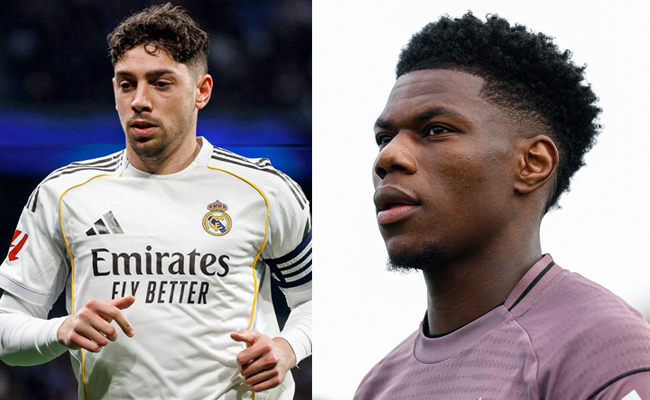
Barcelona (AP): Real Madrid slapped players Federico Valverde and Aurélien Tchouaméni with half-a-million-euro ($588,000) fines on Friday for their altercation during practice.
The massive fines came a day after the midfielders tussled when the team trained. Valverde said in a post on social media on Thursday that no punches were thrown. But Valverde knocked his head on a table and he suffered a small cut that required a brief hospital visit.
On social media, Valverde initially called it a “meaningless fight” with a teammate and said “everything has been blown out of proportion."
His employers, however, considered it a significant enough breach of team discipline to nail both Valverde and Tchouaméni with fines that bite even the bank account of a top soccer player. The half-a-million euro penalties reflect the reputational damage the club was enduring in a chaotic end to a disappointing season.
In a statement, the 15-time European champion said its disciplinary action was concluded after both players expressed to the club “their complete remorse for what happened and apologized to one another.”
Madrid added they also apologized to their teammates, the coaching staff and club supporters, as well as showing their willingness to accept whatever disciplinary action the club deemed “opportune.”
Tchouaméni was back training with Madrid on Friday, two days before they play at Barcelona in a clasico. Madrid has to win otherwise Barcelona will be crowned La Liga champion.
After being notified of the fine, he posted a public apology to the club and its fans on social media.
“What happened this week in training is unacceptable,” Tchouaméni wrote. "I say this while thinking about the example we are expected to set for young people, whether in football or at school.
“Above all, I am sorry for the image we projected of the club.”
Valverde was not at practice due to the head knock.
Both players are set to play in the World Cup next month, with Tchouaméni playing for France and Valverde for Uruguay.
Chaotic end to a poor season
===================
The run-in between the players, who for seasons have played side by side in Madrid's midfield, came after they argued this week in previous training sessions. But tempers boiled over on Thursday. Spanish media was rife with reports that the players previously disagreed over the club's decision to let coach Xabi Alonso go after just months on the job.
It was not the only altercation involving Madrid players during training this week. Álvaro Carreras confirmed he was in a “minor” incident with a teammate. Spanish media said he and fellow defender Antonio Rüdiger got into a scuffle.
Álvaro Arbeloa, the coach who was promoted from Madrid's reserve team when Alonso was fired in January, will face tough questions on what went wrong inside the changing room when he gives a press conference on Saturday ahead of the clasico at Camp Nou.
Madrid is facing a second consecutive campaign without a major trophy amid rumors in the Spanish media that club president Florentino Pérez is considering bringing back Jose Mourinho to straighten out his underperforming team.