May 8: Karnataka reports 47,563 COVID-19 cases, 482 deaths
Dakshina Kannada records 1513 positive Covid-19 cases, three deaths

Bengaluru, May 8: Karnataka's total COVID-19 fatality count crossed the 18,000 mark on Saturday with 482 deaths while 47,563 cases took the tally to 18.86 lakh, the health department said.
The day also saw 34,881 getting discharged after recovery.
Cumulatively, 18,86,448 positive cases have been confirmed in the state, which includes 18,286 deaths and 13,19,301 discharges.
Among the deaths reported on Saturday, Bengaluru Urban accounted for 285, Ballari 25, Mysuru 20, Hassan and Shivamogga 13 each, Tumakuru 12, Udupi, Uttara Kannada and Kalaburagi 11 each and 10 in Kalaburagi.
Deaths were reported in 19 other districts as well.
Bengaluru Urban also topped in infections, recording 21,354, followed by Tumakuru 2,419, Mysuru, 2,294, Kalaburagi 1,661, 1,563 in Bagalkote, 1,513 in Dakshina Kannada, 1,225 in Mandya, 1043 in Udupi and 1034 in Dakshina Kannada.
Thirteen districts reported over 500 cases each.
A total of 2.69 crore samples have been tested so far, of which 1,57,027 were on Saturday, the bulletin said.
To view today's health bulletin: CLICK HERE
Let the Truth be known. If you read VB and like VB, please be a VB Supporter and Help us deliver the Truth to one and all.
Hormuz Strait disruptions have caused huge economic impact, energy instability in region: Navy chief
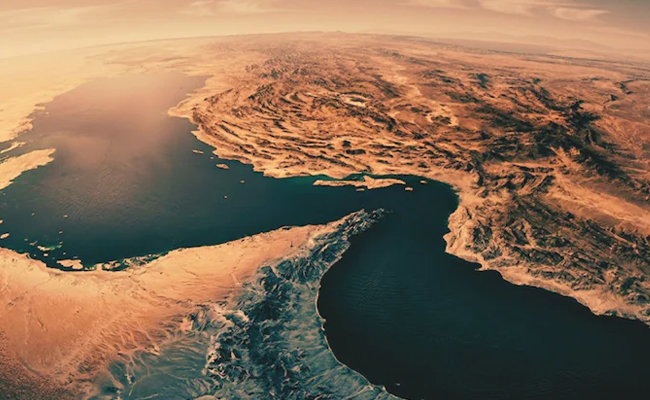
Mumbai (PTI): The Strait of Hormuz disruptions have caused severe economic impact and energy instability in the region, Indian Navy chief Admiral D K Tripathi said on Thursday amid the war in West Asia.
Speaking at an event where INS Sunayna, an offshore patrol vessel, set sail from Mumbai as Indian Ocean Ship (IOS) Sagar, the admiral said competition at sea has no longer remained confined to oil and energy.
It is now expanding towards resources that will shape future growth - such as rare earth elements, critical minerals, new fishing grounds and even data, he said.
The West Asia crisis began on February 28 after a joint attack by the US and Israel on Iran.
Iran's strikes on its neighbours along with its chokehold on the Strait of Hormuz have disrupted the world's energy supplies with effects far beyond West Asia.
"With the conflict in West Asia well into its fifth week, the disruptions in the Strait of Hormuz have caused severe economic impact and energy instability in the region," Tripathi said.
There is significant increase in the marine survey, deep-sea research activity, and Illegal Unreported and Unregulated Fishing (IUU), often encroaching upon the sovereign rights of littoral nations and exploiting gaps in monitoring and enforcement, he said.
Alongside these, threats such as piracy, armed robbery and narco-trafficking backed by unimpeded access of advanced technology to non-state actors, have also become more complex and challenging to counter, the Navy chief pointed out.
Last year alone, the Indian Ocean Region witnessed a staggering 3,700 maritime incidents of varying nature, the admiral said.
Additionally, narcotics seizures in the region exceeded USD 1 billion USD in 2025, highlighting the persistence and spread of such challenges in the region, he said.