'One Nation, One Election' against federal structure, practically impossible: CM Siddaramaiah
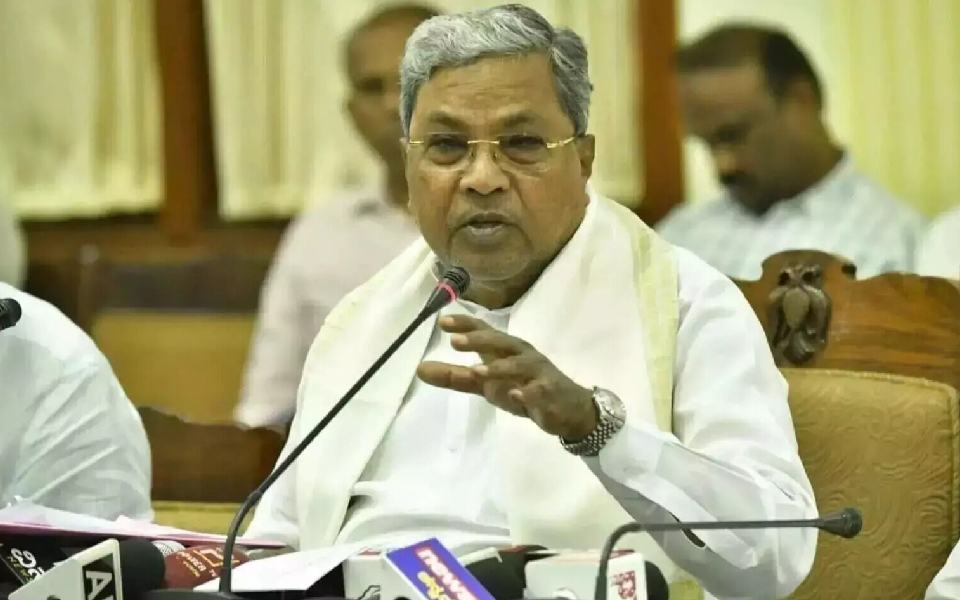
Bengaluru, Sep 18: Karnataka Chief Minister Siddaramaiah on Wednesday said, 'one nation, one election' is against the federal structure and practically impossible to implement, as he termed the Union cabinet's decision to accept the recommendation in this connection as a "gimmick" by Prime Minister Narendra Modi to cover up his failures.
The Congress party will oppose the 'One Nation, One Election' proposal, which carries the hidden agenda of the ruling BJP, both inside and outside the Parliament, Siddaramaiah said. The public opinion across the country is also against the proposed system.
Moving ahead with its "one nation, one election" plan, the union government on Wednesday accepted a high-level panel's recommendations for holding simultaneous polls for the Lok Sabha, state assemblies and local bodies in a phased manner after a countrywide consensus-building exercise.
"The One Nation, One Election proposal approved by the Union Cabinet is not only against the federal structure but also practically impossible to implement. The fact that such an important proposal is being rushed through without any consultation with opposition parties reveals the malicious intent of the Narendra Modi government," Siddaramaiah said in a release.
ALSO READ: INDIA bloc will soon form govt. at Centre, claims CM Siddaramaiah
It seems the central government and the Prime Minister lack even basic knowledge of what should be the priorities of a government, he said.
"Unemployment is rampant across the country, inflation is destabilizing the economy, and people are suffering due to rising prices of essential commodities. Law and order has broken down nationwide, with atrocities against Dalits and women reaching alarming levels," he alleged.
"Instead of addressing these pressing issues, the Prime Minister is trying to divert public attention with the gimmick of 'One Nation, One Election' to cover up his failures," he added.
In its report submitted to the government in March, just before the general election was announced, the panel headed by former president Ram Nath Kovind had recommended implementing "one nation, one election" in two phases -- simultaneous polls for the Lok Sabha and state assemblies in the first phase and elections for local bodies like panchayats and municipal bodies within 100 days of the general election in the second phase.
It also recommended a common electoral roll, which would need coordination between the Election Commission of India (ECI) and state election commissions.
The 'One Nation, One Election' system ws entirely anti-democratic, the CM said, adding, the proposal offers no solution to the crisis that would arise if the ruling party in either the Lok Sabha or a state assembly loses a vote of confidence.
"In such cases, a midterm election is the only proper solution. Allowing a minority party that has failed to win a vote of confidence to remain in power would be a betrayal of the democratic system," he said.
The current Election Commission does not have the capacity or resources to conduct simultaneous elections for both the Lok Sabha and state assemblies across the entire country, Siddaramaiah said. The electoral system would need to be expanded to double its current capacity, which cannot be done in haste.
"For a new electoral system to be implemented, amendments must first be made to the Representation of the People Act. In addition, at least five chapters of the Constitution would need to be amended. Even for the NDA, it would be difficult to get the necessary support to pass constitutional amendments under the current system," he opined.
"Despite knowing all this, the Narendra Modi government has approved this proposal just to create confusion among the people and cover up its failures," he alleged.
Let the Truth be known. If you read VB and like VB, please be a VB Supporter and Help us deliver the Truth to one and all.
Vote rigging charges against MLA DN Jeevaraj: HC grants interim stay on FIR
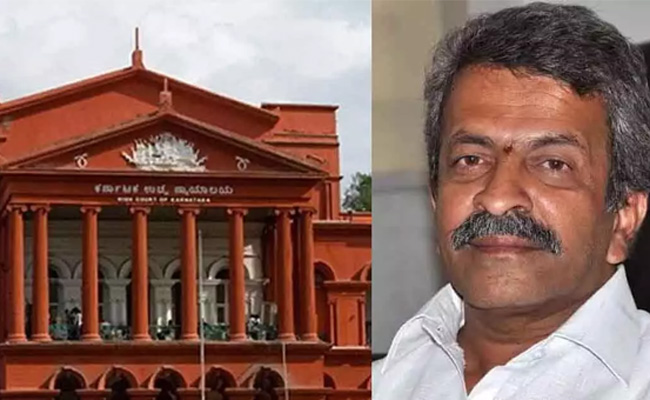
Bengaluru: Karnataka High Court has issued an interim stay on the FIR against Sringeri legislator DN Jeevaraj, who is accused of vote rigging.
A vacation bench consisting of Justice V Sreeshananda heard on Tuesday the BJP MLA’s plea urging the HC to quash the case against him.
After hearing the arguments, the judge granted an interim stay on the case against Jeevaraj.
The hearing of the case has been adjourned to Thursday, May 7.