Only Jan Aushadhi Kendras operating within govt hospital premises suspended: Min. Dinesh Gundu Rao
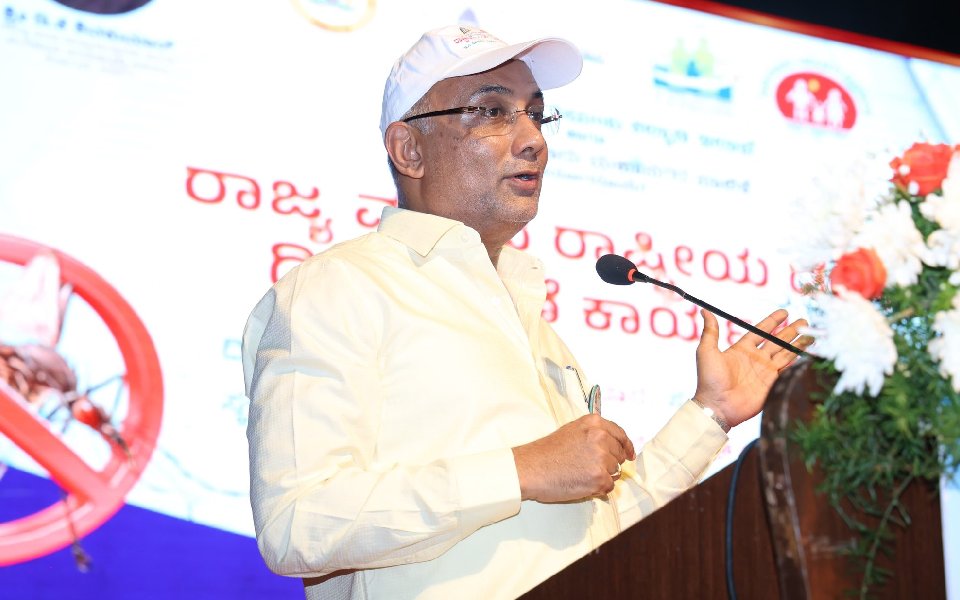
Bengaluru, May 21 (PTI): Karnataka Health Minister Dinesh Gundu Rao on Wednesday clarified that only the Jan Aushadhi Kendras functioning within the premises of the government hospitals have been suspended and those operating outside will continue.
He acknowledged that Jan Aushadhi Kendras provides medicines at a subsidised price, but the Karnataka government provides free medicine.
"So what's the need for Jan Aushadhi within the government hospital premises," the minister said and suggested Union Minister Shobha Karandlaje verify facts before spreading false information.
"Misinformation is more harmful than any other disease," he said, tagging the BJP MP in his post on 'X'.
Rao's clarification came a day after Karandlaje shared a post of a government order regarding the closure of Jan Aushadi Kendras on the premises of government hospitals. She claimed that: "This decision isn't just anti-poor, it's anti-healthcare and anti-livelihood."
According to officials, Pradhan Mantri Bhartiya Janaushadhi Kendra scheme ensures quality generic medicines available at affordable prices to all citizens. Under the scheme, dedicated outlets known as Janaushadhi Kendras are opened to provide generic medicines at affordable prices.
"Only the Jan Aushadhi Kendras functioning within the premises of the government hospitals is suspended. Jan Aushadhi Kendras operating outside the government hospital premises will continue to operate," Rao said, responding to her post.
According to Rao, government doctors are not allowed to recommend patients to purchase any prescribed drugs from outside sources.
Hospitals have also been instructed to negotiate special pricing with the Bureau of Pharma PSUs of India (BPPI) or procure generic medicines directly from BPPI to distribute it free of cost to patients, he said.
Earlier the health minister had said that the culture of doctors in government hospitals writing prescriptions for patients to purchase medicines from private medical shops should be abandoned and that patients should be provided with adequate medicines free of cost in government hospitals.
"In this context, 31 proposals submitted to open Jan Aushadhi Kendras on the premises of government hospitals have been rejected. It has been suggested that KSMSCL (Karnataka State Medical Supplies Corporation) and BPPI should formulate special rates for the purchase of generic medicines, and alternatively, hospitals can purchase medicines from BPPI and distribute them to patients free of cost.
"I appeal to the public to get medicines free of cost at the medicine centres in government hospitals themselves," he had said.
Mr @TVMohandasPai before fully understanding the subject don’t come to conclusions. If there’s any Govt that thinks most about the poor it is Shri @siddaramaiah’s govt.
— Dinesh Gundu Rao/ದಿನೇಶ್ ಗುಂಡೂರಾವ್ (@dineshgrao) May 21, 2025
We don’t need prodding, least of all from you.
There are 1400 Jan Aushada Kendra’s in Karnataka and only… https://t.co/vDnL1ZVRdg
I suggest that @ShobhaBJP verify the facts before spreading false information. Misinformation is more harmful than any other disease.
— Dinesh Gundu Rao/ದಿನೇಶ್ ಗುಂಡೂರಾವ್ (@dineshgrao) May 21, 2025
Its true that Jan Aushadi provides medicines at a subsidised price, but the Karnataka government provides free medicine. So whats the need for Jan… https://t.co/b1KBJ5OWOD pic.twitter.com/8bGucJ2H63
Let the Truth be known. If you read VB and like VB, please be a VB Supporter and Help us deliver the Truth to one and all.
Ordinance issued to increase number of Supreme Court judges from 34 to 38
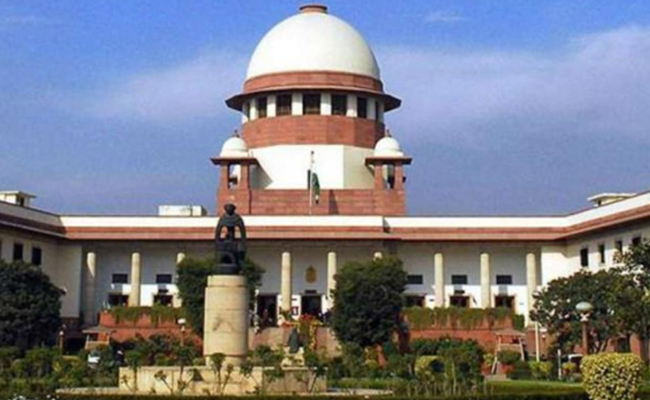
New Delhi (PTI): The government has promulgated an ordinance to increase the strength of the Supreme Court from the present 34 judges to 38, including the Chief Justice of India.
The law ministry notified the ordinance on Saturday, which amended the Supreme Court (Number of Judges) Act, 1956, to increase the sanctioned strength of the top court.
So far, the sanctioned strength of the top court was 34, including the Chief Justice of India (CJI). Now, the number of judges has been increased by four, taking the sanctioned strength to 38.
The top court will now have 37 judges, other than the CJI.
With the apex court having two vacancies at present, and the ordinance coming into force immediately, the Supreme Court Collegium will now have to recommend six names for appointment as judges in the top court.
A bill will be brought in the Monsoon Session of Parliament to convert the ordinance – an executive order – into a law passed by Parliament.
The Union Cabinet had cleared a draft bill on May 5 to increase the number of apex court judges.
The strength of the Supreme Court was last increased from 30 to 33 (excluding the CJI) in 2019.
The Supreme Court (Number of Judges) Act, as originally enacted in 1956, put the maximum number of judges (excluding the CJI) at 10.
This number was increased to 13 by the Supreme Court (Number of Judges), Amendment Act, 1960, and to 17 by another amendment to the law.
The Supreme Court (Number of Judges) Amendment Act, 1986, augmented the strength of judges from 17 to 25, excluding the CJI.
A fresh amendment in 2009 further increased the strength from 25 to 30.
Article 124(3) of the Constitution lists the qualifications required to become a Supreme Court judge.
An Indian citizen who has either served as a high court judge for at least five years, or as an advocate for 10 years, or is a distinguished jurist, can be appointed to the top court.
The strength of the Supreme Court is increased based on the recommendations of the CJI, who writes to the Union law minister. After consulting the finance ministry, the Department of Justice under the law ministry moves the Cabinet with a draft bill.