Prioritise improvement in human development index in Kalyana Karnataka: CM Siddaramaiah
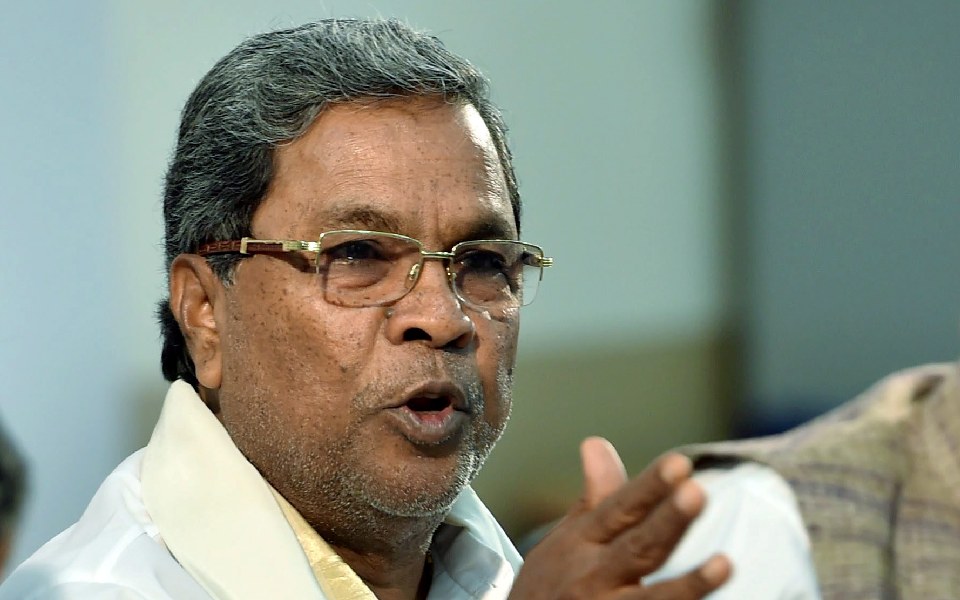
Bengaluru, Jun 14: Karnataka Chief Minister Siddaramaiah on Friday said priority should be given to the implementation of complementary projects to improve the Human Development Index of the Kalyana Karnataka region.
The suggestion came as he reviewed the progress of Kalyana Karnataka Regional Development Board at his home office Krishna here.
He said emphasis should be laid on areas in which we are lagging behind. Emphasis should also be on infrastructure development at hostels, anganwadis and residential schools.
In a statement issued by the Chief Minister's Office, Siddaramaiah said the available grants should be spent on a priority areas. Roads, drinking water, irrigation and other infrastructure should also be prioritised.
ALSO READ: K'taka Medical Education Minister directs officials to seal nursing colleges with no amenities
"It is our responsibility to give the necessary approvals from the finance department. The district in-charge minister should review the progress once a month and send the report to the board. District in-charge secretaries should also conduct progress review. Anganwadis, hostels, schools, hospitals should be visited and inspected," he said.
Siddaramaiah also pointed out the need for coordination between district in-charge ministers and secretaries.
He told officials that tenders should be called immediately for the approved works for which tenders have not been called and said they (works) should be evaluated.
According to officials, for the year 2023-24, the largest grant of Rs 3,000 crore has been released to Kalyan Karnataka Regional Development Board (KKRDB). A sum of Rs 2009.53 crore including initial charges have been spent during this period.
Chairman of the board Ajay Singh said this is the highest expenditure incurred till now since the formation of the board.
He further said Rs 2,885.9 crore is currently available with the board. Since the formation of the board, till now, 35,724 works have been approved and 26,418 works have been completed. In the year 2023-24, out of 6,468 works, 136 works were completed and 3,226 were in progress.
He explained that 3,106 works are to be started. Regular progress review of pending works should be done and any bottlenecks in implementation should be removed.
The Chief Minister has directed that the pending 3,528 works should be started by July-end.
In the meeting with KKRDB officials, which was also attended by some Ministers, Siddaramaiah suggested more emphasis should be given to education, health and job creation.
Singh said there is a demand for primary health centres and added that it has been decided to focus on this.
The Chief Minister has directed to submit a proposal for setting up primary health centres as per prescribed norms.
The CM has also suggested focus should be on development of schools in Kalyana Karnataka region under the corporate social responsibility and the administrative departments should sanction the establishment of high school, undergraduate and graduate colleges, he directed.
Let the Truth be known. If you read VB and like VB, please be a VB Supporter and Help us deliver the Truth to one and all.
4 held for sexually assaulting woman, girl on moving bus after social media alert in UP's Agra

Agra (UP) (PTI): Four people were arrested, after a prompt response by police following a social media alert, for allegedly sexually assaulting a woman and a girl inside a moving bus here, officials said on Tuesday.
According to an official police statement, at 12:27 am on April 27, information was received on the social media platform X about an incident of sexual assault on a bus travelling from Kanpur to Ahmedabad, which was approaching Namner crossing in Agra.
Acting under the direction of Police Commissioner Deepak Kumar, the Agra Police social media team immediately alerted the Rakabganj police station within minutes and coordinated with the victims to confirm the incident and obtain the exact location, it stated.
Police teams launched intensive checking at Namner crossing and intercepted the bus as it reached the spot. The four accused involved in the incident were apprehended on the spot, and legal action was initiated against them, the statement said.
The police said the swift response and coordination between the social media team and field units ensured timely action, bringing relief to the victims and other passengers, who expressed gratitude towards the police, it added.