Rise in dengue cases: BJP leader urges govt to declare "emergency situation" in K'taka
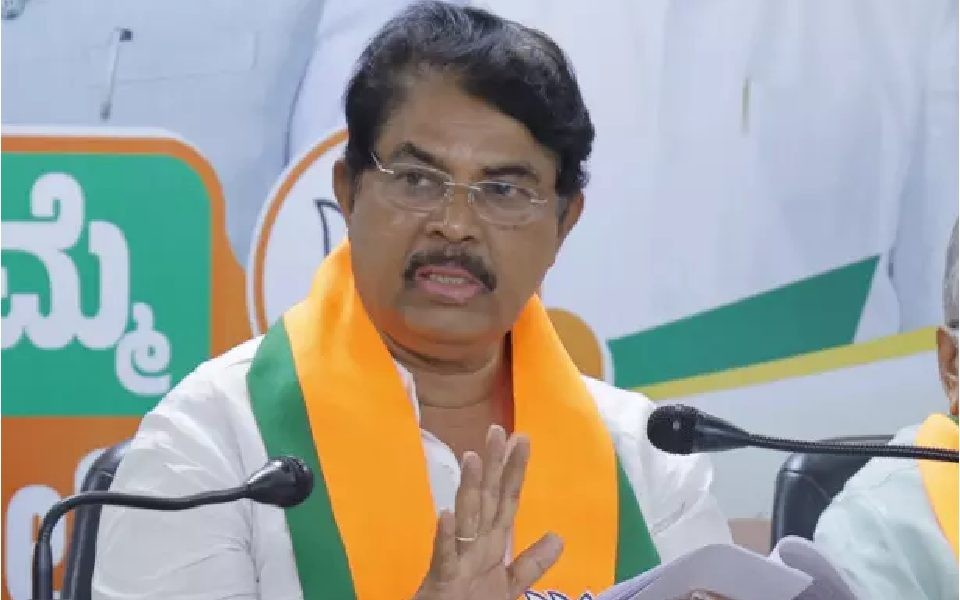
Bengaluru: Amid reports of a spike in dengue cases in the state, Leader of Opposition in the Karnataka Assembly R Ashoka on Sunday urged the government to declare it an "emergency situation", and to make testing free.
The BJP leader also stressed the need to set up a task force in every taluk and a control room, among other measures to monitor and to control the dengue spread.
"Dengue cases are on a rise in the state since January, two children have died due to dengue and there are reports of three to four deaths due to dengue every day and it is painful. There is fear among people across the state, but the government is not afraid yet," Ashoka said.
While speaking to reporters after visiting a government hospital here and meeting infected patients and doctors, he said, 13-14 per cent among the hundred samples checked are getting confirmed for dengue, and there are reports of more deaths among those suffering with comorbidities.
ALSO READ: Meeting to decide on location for Bengaluru's second airport soon: Minister MB Patil
"So controlling dengue is important.....the government should have constituted a taskforce in every taluk, set up a control room, ensured supply of medicines, which they have not done," he added.
Further stating that according to information that he has gathered more than two lakh people are infected by dengue in the state, Ashoka said, the government should bear the expenses of testing.
"The way we did free testing during COVID...I urge the government to immediately make testing free. Rs 600-Rs1,000 is being charged for testing, poor are unable to test," he said.
Pointing out that the government has increased taxes on everything, he said, "free testing may cost about Rs 10 crore, is the government unable to spend that much?" Noting that among those infected many are children, Ashoka said, probably the government has not observed this.
"The government should declare dengue an emergency situation and create alertness among the officials," he said.
He also stressed the need for cleanliness, mobilisation of ASHA and Anganwadi workers to keep a house-to-house check on those with dengue symptoms, setting up separate wards at hospitals for dengue cases, fogging to control mosquitos and to create awareness and assurance among the people who were panicking about the situation.
Let the Truth be known. If you read VB and like VB, please be a VB Supporter and Help us deliver the Truth to one and all.
Chhattisgarh govt enforces austerity measures, restricts foreign travel and cuts convoy vehicles
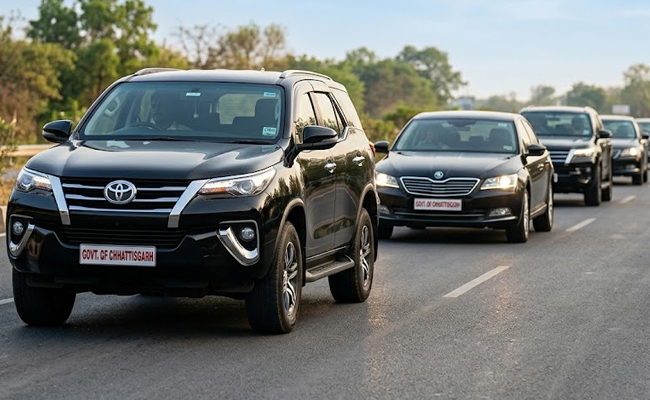
Raipur (PTI): The Chhattisgarh government on Saturday rolled out a set of austerity measures, including restricted use of convoy vehicles for the chief minister, ministers and heads of state-run bodies, besides curbs on foreign travel at government expense.
The state has decided to implement the cost-saving steps with immediate effect to ensure efficient management of financial resources and discipline in public spending, said a directive issued by Finance Secretary Rohit Yadav.
The move follows Prime Minister Narendra Modi’s appeal for austerity amid the ongoing conflict in West Asia.
The order said that only essential vehicles should be used in the convoys of the CM, ministers and office-bearers of corporations, boards and commissions, while ensuring restrained use of other government resources.
It also directed departments to take steps for a phased conversion of all official vehicles into electric vehicles in order to promote the use of EVs.
As part of fuel-saving measures, expenditure on petrol and diesel for government vehicles should be kept to a minimum, the directive said.
Vehicle pooling arrangements should also be implemented for officials of departments travelling to the same destination, it added.
The order further stated that foreign travel of government employees at state expenses will be completely prohibited except under extremely unavoidable circumstances. In such cases, prior approval of the CM will be mandatory.
To reduce administrative expenditure, departments have been instructed to hold physical meetings preferably only once a month and encourage virtual and online meetings. Regular departmental review meetings should compulsorily be conducted through video conferencing, it said.
The government also stressed the need for energy conservation in its offices, directing that all electrical equipment, including lights, fans, air-conditioners and computers, must be switched off after office hours.
The directive will remain effective till September 30 this year.
Amid the war involving the US, Israel and Iran, Modi has suggested reducing petrol and diesel consumption, using metro rail services in cities, carpooling, increased use of EVs, utilising railway services for parcel movement and working from home to conserve foreign exchange.