Sandur forest mining: Kumaraswamy says K'taka govt okayed it before his union ministry approved it
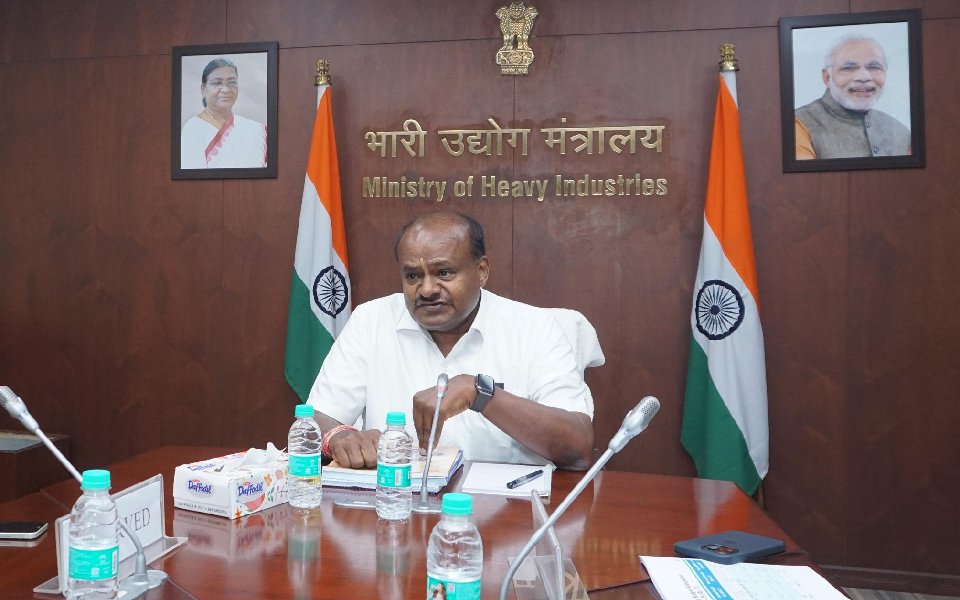
Bengaluru, Jun 18: Union Minister for Steel and Heavy Industries H D Kumaraswamy on Tuesday claimed he was not the one who decided to allow mining in about 404 hectares of forest area in Sandur in Ballari district in Karnataka, and that the state government had approved the project much earlier.
He was reacting to reports expressing concerns that 99,000 trees would be felled if the Kudremukh Iron Ore Company Limited (KIOCL) is permitted to mine iron ore in Devadari forest area of Sandur taluk.
The union minister had recently given his approval to KIOCL to operationalise the Devadari Iron Ore Mine.
Noting that the Devadari project is on Prime Minister's 100-day agenda, Kumaraswamy instructed officials to work diligently in this regard and said that mining should be started as soon as possible.
ALSO READ: BJP-JD(S) won more seats in Karnataka due to EVMs: Deputy CM DK Shivakumar
"I did not sign for deforestation," he claimed. "This decision has been taken with the intention that there should be steel production in the state and more and more jobs should be created for our youth. This step has been taken with the aim of contributing more to the GDP growth as per Prime Minister Narendra Modi's 'Atmanirbhar Bharat' wish."
Stating that propaganda is being spread to create anxiety among the people, Kumaraswamy said that in 2019, the state government had given permission for mining in an area of 404 hectares for the Devadari mining project, and later, the Union Environment Ministry also gave permission.
"But, there have been reports that Kumaraswamy has signed the plan to give permission for mining, and damage will be caused to forest and biodiversity in Devadari region. There are reports that 99,000 trees will be affected," he noted.
Kumaraswamy, who held a meeting with KIOCL officers, claimed there is "no need to worry" about the mining project, as KIOCL will plant an “alternative” forest in an area of 808 hectares at a cost of around Rs 194 crore before starting the ore extraction work.
The minister said that the forest department has been paid for it. He also claimed that "all precautionary measures have been taken so as not to disturb the biodiversity."
In a separate development, he also discussed with officials about the revival of Visvesvaraya Iron and Steel Plant (VISP) at Bhadravati in Shivamogga district.
He instructed the officials to think about it. “It was a good factory, a landmark of Karnataka. Think about saving it," he said.
Let the Truth be known. If you read VB and like VB, please be a VB Supporter and Help us deliver the Truth to one and all.
What is Iran’s 10-point plan? Key demands ahead of US talks in Islamabad
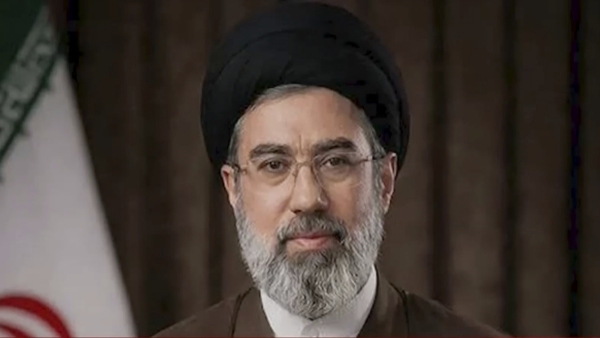
Tehran/Islamabad: Iran has outlined a 10-point plan as the basis for upcoming talks with the United States, expected to begin in Islamabad on April 11, according to a statement from the Iranian Supreme National Security Council.
The plan lays out Tehran’s key political, military and economic demands, and is being seen as a framework for negotiations following the recent escalation in the region.
Strait of Hormuz at the centre
A major focus of the plan is the Strait of Hormuz, a critical global shipping route. Iran has proposed “controlled passage through the Strait of Hormuz in coordination with the Iranian armed forces,” which it says would give the country a unique economic and geopolitical position.
The plan also calls for the “establishment of a safe transit protocol” in the Strait that would guarantee Iran’s dominance under an agreed mechanism.
Call to end conflict
Iran has demanded “the necessity of ending the war against all elements of the axis of resistance,” signalling its expectation that hostilities should stop not only in Iran but also involving allied groups in the region.
US troop withdrawal
Another key demand is the “withdrawal of US combat forces from all bases and deployment points in the region,” indicating Tehran’s long-standing position against American military presence in West Asia.
Sanctions relief and compensation
The plan places strong emphasis on economic measures. It calls for “full payment of Iran’s damages according to estimates,” along with “the lifting of all primary and secondary sanctions and resolutions of the Board of Governors and the Security Council.”
It also seeks “the release of all Iranian assets and properties frozen abroad,” which have been a major point of contention for years.
Binding global guarantee
Finally, Iran has demanded that all these terms be formally recognised through “a binding Security Council resolution,” suggesting it wants international legal backing to ensure enforcement.
What this means
The 10-point plan reflects Iran’s broader push for security guarantees, economic relief and regional influence. The upcoming talks in Islamabad are expected to test how far both sides are willing to negotiate on these demands.