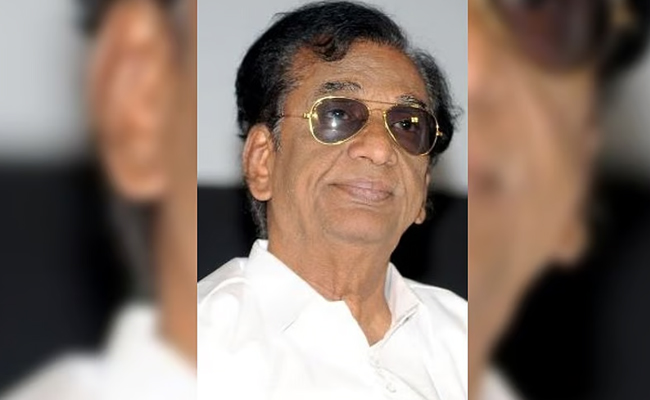
Shivamogga: BJP leader arrested for alleged rape, fraud

Shivamogga: Sharath Kalyani, local BJP media department leader, has been taken into custody by the Shivamogga Women's Police Station following allegations of rape and fraud. The arrest came after a 43-year-old divorced woman, who works in a private company, lodged a complaint against Kalyani, accusing him of deceiving her into a relationship under the pretense of marriage.
According to the complaint filed on July 26, 2024, the woman had known Kalyani since August 31, 2023. She claimed that Kalyani had concealed his marital status and engaged in a physical relationship with her, promising marriage. The woman also alleged that Kalyani convinced her to provide financial assistance, amounting to four lakhs, citing personal financial problems.
The situation escalated when the woman insisted on marriage, and Kalyani began avoiding her. When she visited his residence, Kalyani allegedly verbally abused her, physically assaulted her, and threatened to kill her if she came near his house again.
The police have registered a case under various sections of the Indian Penal Code, including Section 376(2)(n) (rape), 420 (cheating), 354 (assault or criminal force to woman with intent to outrage her modesty), 504 (intentional insult with intent to provoke breach of the peace), 323 (voluntarily causing hurt), and 506 (criminal intimidation).
A team led by a female inspector arrested Kalyani in Vijayapura taluk and brought him in for questioning.
Let the Truth be known. If you read VB and like VB, please be a VB Supporter and Help us deliver the Truth to one and all.
Ordinance issued to increase number of Supreme Court judges from 34 to 38
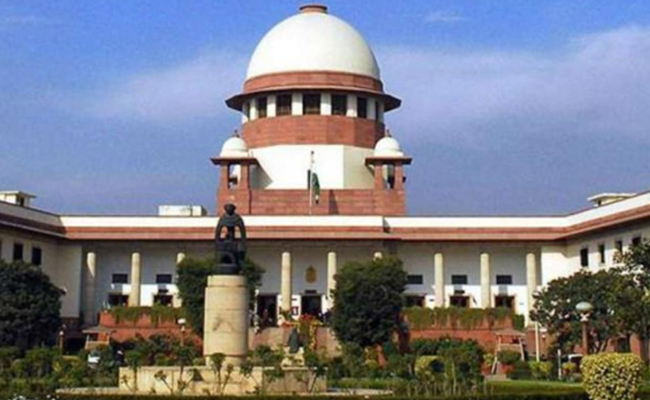
New Delhi (PTI): The government has promulgated an ordinance to increase the strength of the Supreme Court from the present 34 judges to 38, including the Chief Justice of India.
The law ministry notified the ordinance on Saturday, which amended the Supreme Court (Number of Judges) Act, 1956, to increase the sanctioned strength of the top court.
So far, the sanctioned strength of the top court was 34, including the Chief Justice of India (CJI). Now, the number of judges has been increased by four, taking the sanctioned strength to 38.
The top court will now have 37 judges, other than the CJI.
With the apex court having two vacancies at present, and the ordinance coming into force immediately, the Supreme Court Collegium will now have to recommend six names for appointment as judges in the top court.
A bill will be brought in the Monsoon Session of Parliament to convert the ordinance – an executive order – into a law passed by Parliament.
The Union Cabinet had cleared a draft bill on May 5 to increase the number of apex court judges.
The strength of the Supreme Court was last increased from 30 to 33 (excluding the CJI) in 2019.
The Supreme Court (Number of Judges) Act, as originally enacted in 1956, put the maximum number of judges (excluding the CJI) at 10.
This number was increased to 13 by the Supreme Court (Number of Judges), Amendment Act, 1960, and to 17 by another amendment to the law.
The Supreme Court (Number of Judges) Amendment Act, 1986, augmented the strength of judges from 17 to 25, excluding the CJI.
A fresh amendment in 2009 further increased the strength from 25 to 30.
Article 124(3) of the Constitution lists the qualifications required to become a Supreme Court judge.
An Indian citizen who has either served as a high court judge for at least five years, or as an advocate for 10 years, or is a distinguished jurist, can be appointed to the top court.
The strength of the Supreme Court is increased based on the recommendations of the CJI, who writes to the Union law minister. After consulting the finance ministry, the Department of Justice under the law ministry moves the Cabinet with a draft bill.