Sr. Journalist Umapathy to be honoured with Vaddarse Raghuram Shetty social justice journalism award
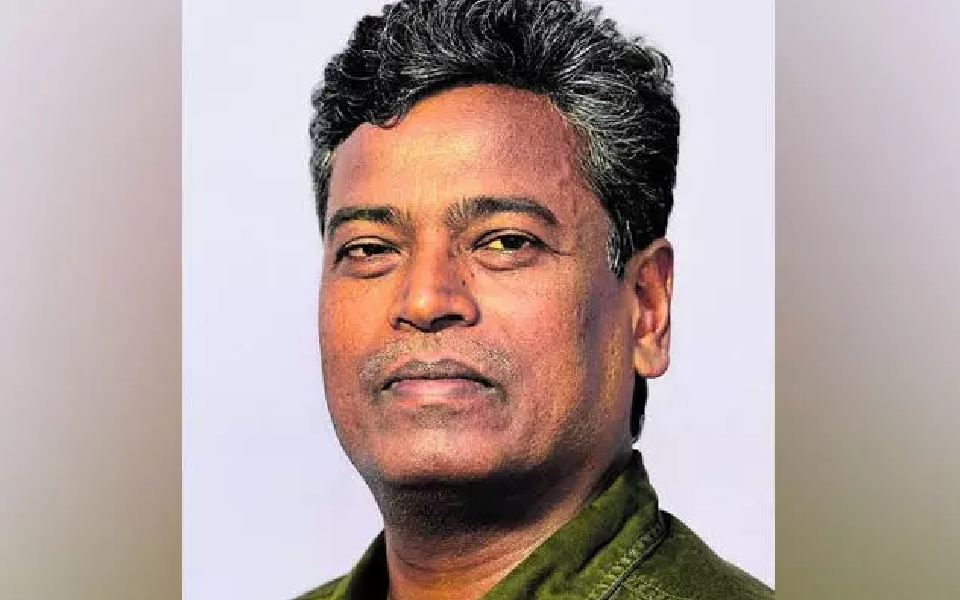
Bengaluru: The Karnataka Government has selected Senior Journalist D. Umapathy for the Vaddarse Raghuram Shetty social justice journalism award. The award, started this year by the Department of Information and Public Relations, was announced by Department Commissioner Hemanth M. Nimbalkar.
Nimbalkar highlighted that the award aims to recognize and honor journalistic contributions focused on social justice. It was announced in the 2024 state budget by the Chief Minister Siddarmaiah in memory of senior journalist Vaddarse Raghuramshetty.
The selection committee, chaired by Justice Ashok Hinchigeri, unanimously chose D. Umapathy for the prestigious award. The honor includes a cash prize of ₹2 lakh and a memento.
D. Umapathy was Born in Chitradurga district on March 18, 1959, and holds a Bachelor's degree in English Literature and Journalism from Maharaja's College, Mysuru, and a Master's degree in Journalism from the University of Mysore, where he secured second rank.
With a career spanning 27 years, Umapathy gained prominence for his work as the Delhi correspondent for Kannada Newspaper ‘Kannada Prabha’ a publication under the New Indian Express group.
He covered a range of topics, including parliamentary proceedings, election analyses, Supreme Court river water tribunal cases, national political developments, and foreign affairs. He also has extensive experience in diplomatic reporting, often accompanying ministers on international visits.
Additionally, Umapathy, who is based in Delhi, has contributed as a columnist for several prominent Kannada newspapers, including Andolana, Raitha Chalavali, Vijaya Karnataka, Prajavani, Samyukta Karnataka, and Vartha Bharati.
Currently, he serves as a guest editor for the web journals ‘Nyayapatha’ (Gauri Media) and ‘Eedina.’
He is also an accomplished author, with two notable works, Delhi Nota and Padakusiye Nelavilla.
Let the Truth be known. If you read VB and like VB, please be a VB Supporter and Help us deliver the Truth to one and all.
Stalin urges Centre to rollback commercial LPG price hike
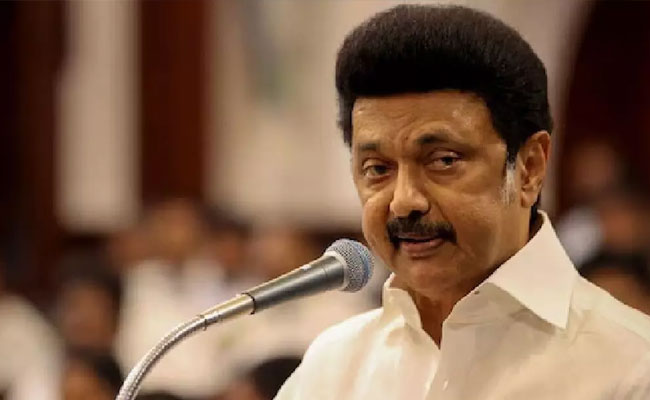
Chennai (PTI): Tamil Nadu Chief Minister M K Stalin on Friday demanded that the Centre immediately rollback the hike in commercial LPG cylinder prices. The price of commercial LPG was hiked by the steepest ever Rs 993 per 19-kg cylinder on May 1, marking the third straight monthly increase due to rising global energy prices linked to the West Asia conflict.
In his social media X platform, the DMK chief alleged that as predicted before the polls, the BJP-led union government has raised LPG prices immediately after the elections concluded.
"When global crude oil prices fell, the benefits were not passed on to the people, " he said, accusing the Centre of "using the West Asia war crisis as an excuse to raise the prices without regard for public welfare".
Calling for protection of the livelihood of the people, Stalin demanded an immediate rollback of the LPG price hike.
He asked the Centre to consider the people's suffering and find solutions.