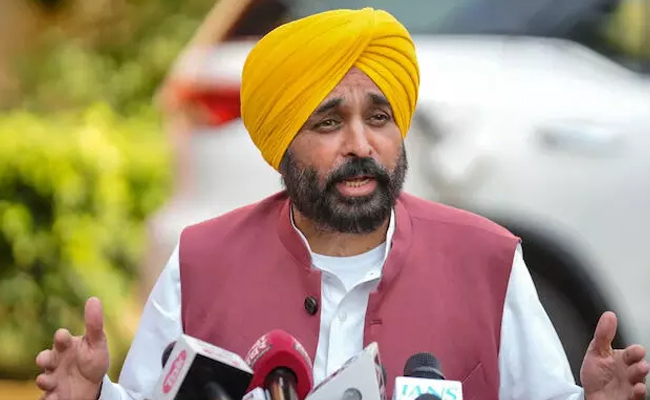
Strictly enforce ban on PoP Gowri-Ganesha idols: Karnataka minister to local bodies
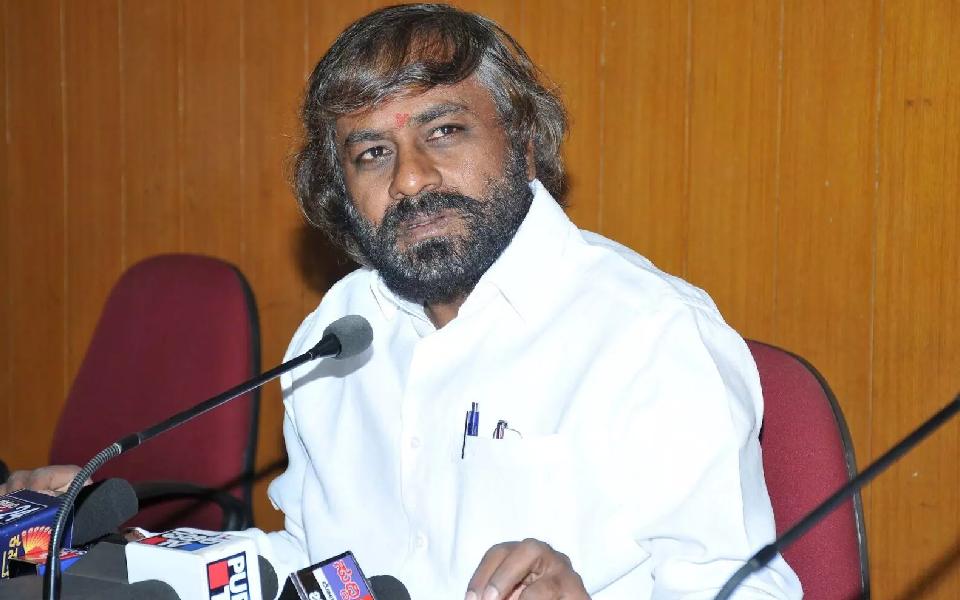
Bengaluru, Jul 24 (PTI): Karnataka Minister Eshwar Khandre on Thursday directed local bodies to strictly enforce the ban on the manufacture and sale of Gowri and Ganesha idols made of Plaster of Paris.
He instructed officials to encourage the stocking, transportation, and sale of eco-friendly, colorless clay idols of Gowri and Ganesha instead of PoP idols coated with chemical paints that are harmful to the environment and water bodies, Khandre said in a press release.
The minister’s directive comes ahead of the Gowri and Ganesha festivals, scheduled for August 26 and 27.
PoP Ganesha idols are made using a powder containing calcium, sulfate, and hemihydrate. They contain hazardous elements including sulfur, phosphorus, gypsum, and magnesium.
"These idols are coated with chemical paints containing mercury, cadmium, lead, and carbon. When immersed in water bodies, the heavy metals dissolve, posing health risks to people and livestock," Khandre said.
He added the environment department has been directed to raise public awareness, as these idols also cause the death of aquatic life.
The minister for Forest, Ecology and Environment noted that a circular prohibiting the manufacture, storage, and sale of PoP Ganesha idols had been issued earlier.
After assuming office, a government order was issued in 2023 reinforcing this ban, which local bodies must implement strictly, the release added.
With a month remaining for the festivals, Khandre instructed officials to take immediate steps to monitor and curb the storage and transportation of PoP idols.
He also directed officials to engage with welfare associations in multi-storied buildings, residential complexes, and local communities to encourage residents to use only eco-friendly Ganesha idols, the release further said.
Let the Truth be known. If you read VB and like VB, please be a VB Supporter and Help us deliver the Truth to one and all.
Attack on Indian-flagged merchant ship off Oman coast unacceptable: MEA
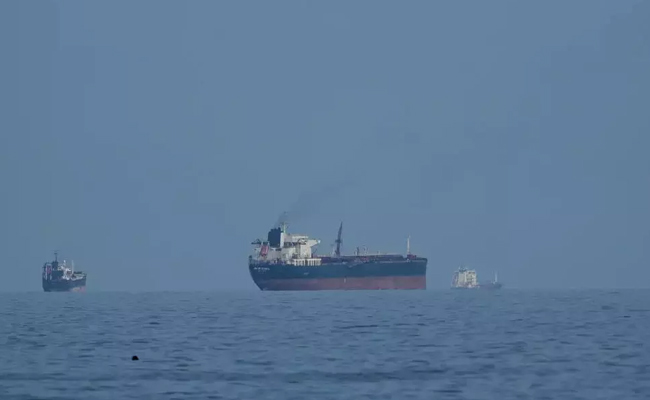
New Delhi (PTI): An Indian-flagged commercial vessel has come under attack off the coast of Oman but all its 14 crew members are safe, the Ministry of External Affairs (MEA) said on Thursday.
It is not immediately known who carried out the strike on the vessel on Wednesday.
The MEA described the attack as "unacceptable".
"The attack on an Indian-flagged ship off the coast of Oman yesterday is unacceptable and we deplore the fact that commercial shipping and civilian mariners continue to be targeted," it said.
"All Indian crew on board are safe and we thank the Omani authorities for rescuing them," it said.
The MEA said India reiterates that targeting commercial shipping and endangering innocent civilian crew members, or otherwise impeding freedom of navigation and commerce, should be avoided.
The vessel was sailing from Somalia and the strike triggered a fire that led to sinking of the vessel, it is learnt.
The crew members were rescued by Oman's Coast Guard and taken to Diba port.
At least two other Indian-flagged ships have been attacked since the war between the US and Iran began on February 28.
The latest attack came amid the fragile security situation in the Strait of Hormuz.