Summoned TCS for consultation on layoffs: Karnataka Labour Minister Santosh Lad
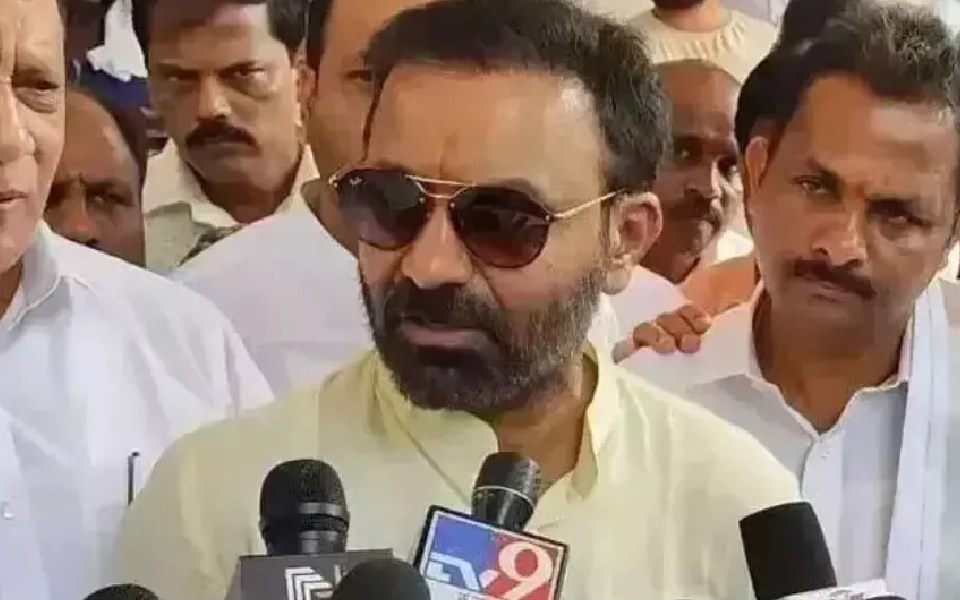
Bengaluru, Jul 31 (PTI): Karnataka Labour Minister Santosh Lad on Thursday said that his department has asked Tata Consultancy Services (TCS) to explain the reason behind large-scale layoffs.
"Yesterday we got information that the TCS has laid off 12,000 employees. Our department has called TCS officials just to have consultation to know the reason," the minister told reporters here.
He said Sunrise Industries have been exempted from labour laws but there are conditions attached. "We have kept the sunrise companies outside the ambit of labour laws and for the past five years we have been giving them exemption year after year but yet there are conditions attached," Lad said.
A sunrise sector refers to a new or relatively new industry that is experiencing rapid growth and is expected to become a significant driver of the economy in the future.
"If they want to layoff somebody, they have to give us information. Accordingly, we are talking to them," he added.
TCS had indicated that it is set to lay off about 2 per cent, or 12,261 employees, of its global workforce this year, with the majority of those impacted belonging to middle and senior grades.
As of June 30, 2025, TCS's workforce stood at 6,13,069. It increased its workforce by 5,000 employees in the recently concluded April-June quarter. The move is part of the company's broader strategy to become a "future-ready organisation", focusing on investments in technology, AI deployment, market expansion, and workforce realignment, TCS said in a statement.
The Karnataka State IT/ITeS Employees Union (KITU) had taken a strong objection over the mass retrenchment and filed a complaint against TCS with the Additional Labour Commissioner G Manjunath.
In a statement, the union said it has demanded legal action against the management for violations of the provisions of the Industrial Disputes Act, 1947, as well as the conditions imposed by the Government of Karnataka concerning the reporting of service particulars.
Minister Lad said another reason behind calling TCS and other industries was to convey to them that the government is not accepting their request for increasing working hours by nine to 10 hours a day, Lad said.
He said if the employees are ready to work then we will consider their request as per the guidelines and give our permission. "This is subject to the employees' wishes. Those employees who reject the permission will not be forced to do it,” he explained.
The Minister also said in his opinion, it is difficult to implement increasing working hours because at least four hours are needed to travel to the workplace.
While one has to work for eight hours and given the strenuous traffic scenario in Bengaluru one ends up spending at least three to four hours on travelling everyday.
"As Minister also when I see this proposal of increasing the working hours, I feel that it is not scientific. Increasing working hours can happen for a week or 10 days but not throughout the year in view of Bengaluru traffic,” Lad explained.
He also said that there was nothing wrong with the claim by those representing industry that increasing working hours will benefit employees and industry.
However, those employees who agree to increase their working hours have to give in writing but we cannot implement it across the board, the Minister noted.
Let the Truth be known. If you read VB and like VB, please be a VB Supporter and Help us deliver the Truth to one and all.
Congress using hijab issue to pacify minority anger, alleges Karnataka LoP R Ashoka
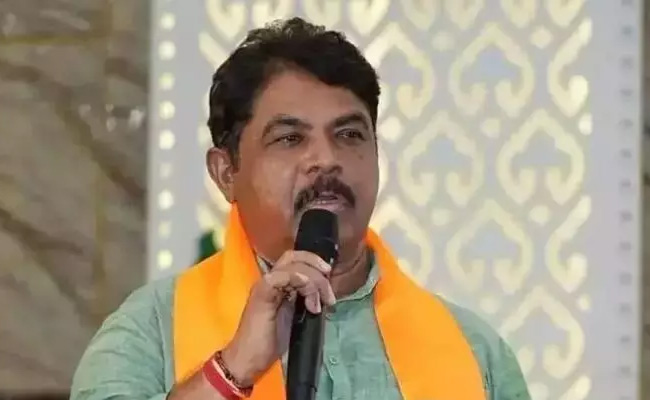
Bengaluru: Leader of Opposition in the Assembly R. Ashoka has accused the Congress government of using the hijab issue to placate what he described as discontent among minority voters after the Davanagere by-election.
In a post on X on Wednesday, Ashoka alleged that the state government, instead of addressing issues such as price rise, corruption, farmers’ distress and law and order, was attempting to retain its minority vote base by reviving the hijab issue.
Referring to the 2022 dress code introduced by the BJP government, which prohibited hijab in schools and colleges, Ashoka said the Karnataka High Court had upheld the policy and emphasised the importance of discipline in educational institutions.
He questioned the Congress government’s move to revisit the issue and asked whether setting aside the court-backed policy to benefit one community could be described as secularism.
Ashoka further alleged that while the government was willing to permit hijab, it continued to prohibit saffron shawls.
He accused the government of dividing students on religious lines rather than treating schools and colleges as spaces of equality.
Drawing a comparison with Mamata Banerjee’s government in West Bengal, Ashoka claimed that excessive appeasement politics had harmed the state and warned that the Congress in Karnataka could face a similar political response.
He said voters in Karnataka would teach the Congress a lesson for what he termed “vote-bank politics” and for compromising constitutional and judicial principles.