Unlock 3.0: Religious places, malls open; transport back to full capacity in Karnataka
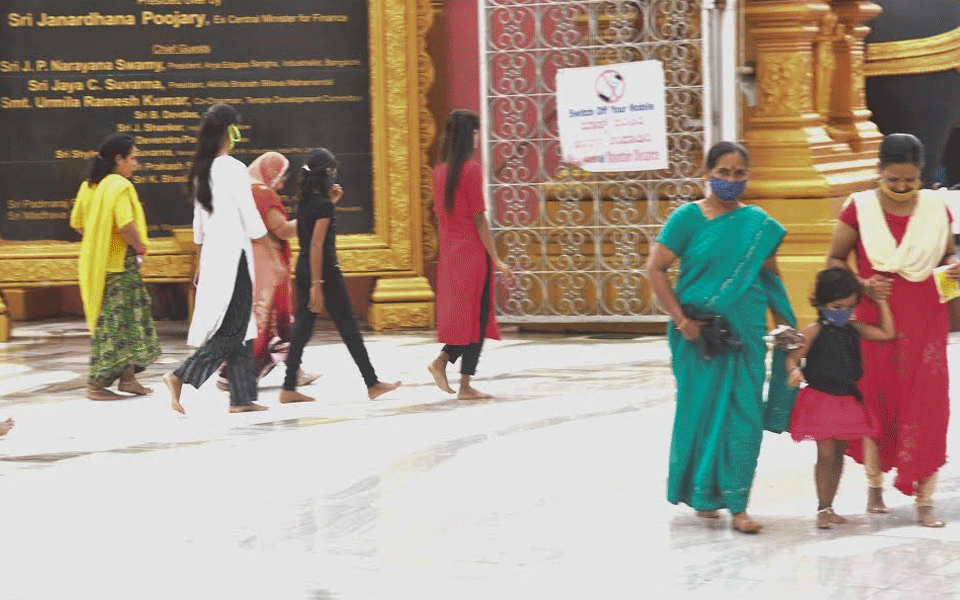
Bengaluru: With the Karnataka government further easing restrictions under "Unlock 3.0" effective from Monday, life seems to have returned to normalcy as shops, restaurants, malls, private offices and religious places began their operations in full swing.
Also, all public transport- buses and metro- were seen operating up to its seating capacity.
These services will be available for the public till 9 PM, as the government is imposing night curfew till 5 AM.
With the government allowing places of worship to open only for darshan, people, though fewer in number, were seen visiting temples following COVID precautionary measures at several places in the city.
Similar reports are emerging from across the state.
As offices and business establishments have been allowed to function at full working strength, traffic congestion was seen on streets in Bengaluru and other cities with office-goers getting back to work.
Bangalore Metropolitan Transport Corporation has said that bus services will be operated between 5 AM and 9 PM with all precautionary measures, and 4,500 buses will operate in the city and suburban area.
The corporation said based on passenger volume, services will be increased.
Officials were seen ensuring that there is no overcrowding in buses and passengers don't travel by standing.
Bengaluru Metro has said, Metros will operate from 7 AM to 8 PM from Monday to Friday, with frequency of 5-15 minutes in peak and non-peak hours, and on Saturday, Sunday and general holidays it will be with increased or decreased frequency, depending on the situation.
Customers were seen in good numbers at hotels and restaurants across the city. Also, bars will be open from Monday, but pubs will not.
The new guidelines that were announced by Chief Minister B S Yediyurappa on Saturday, have come into effect from 6 AM on July 5 and will be in force up to 6 AM on July 19.
Bengaluru Police Commissioner Kamal Pant has said that a total of 54 special teams comprising Bruhat Bengaluru Mahanagara Palike (BBMP) marshals and city police personnel will be deployed across the city to impose fines and register cases on individuals and commercial establishments that violate COVID-19 norms.
"I urge everyone to strictly follow COVID-19 appropriate behaviour for our own safety. Remember, the cases have decreased, but the virus is still around," he has tweeted.
In the guidelines, all shops, restaurants, malls, private offices and closed places have been asked to strictly enforce COVID appropriate behaviour failing which action will be initiated under the Disaster Management Act, 2005.
While, marriages and family functions are permitted to be conducted involving not more than 100 people and strictly adhering to COVID-19 appropriate behaviour and prevailing guidelines, cremation and funerals to be allowed with maximum of 20 people.
While night curfew will continue between 9 PM and 5 AM, the weekend curfew has been lifted.
Theatres, cinema halls and pubs will remain closed, while swimming pools, sports complexes and stadia are permitted for competitive training and practice purposes by strictly adhering to COVID appropriate behaviour.
All social, political, sports, entertainment, academic, cultural, religious functions, other gatherings and large congregations, continue to be prohibited.
Let the Truth be known. If you read VB and like VB, please be a VB Supporter and Help us deliver the Truth to one and all.
Delhi Police busts LPG black marketing racket in Bawana, 75 cylinders seized; 1 held
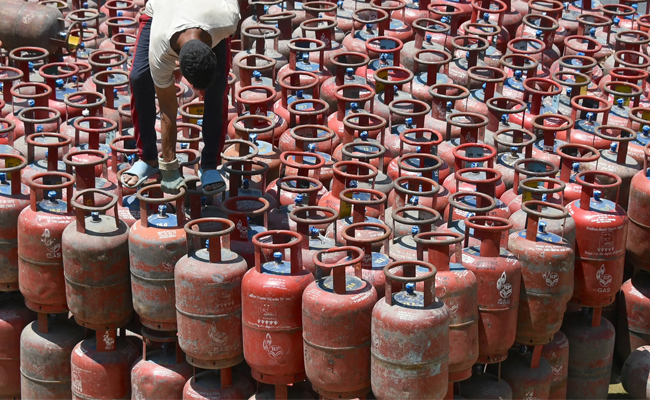
New Delhi (PTI): Delhi Police has busted an LPG cylinder hoarding and black marketing racket in the Bawana area, an officer said on Friday.
A 50-year-old man, identified as Anil, has been arrested and 75 cylinders seized, he said.
The accused was apprehended following a tip-off about the illegal storage and transportation of LPG cylinders in the industrial area.
Acting on the input, a police team laid a picket near District Park in Bawana on Thursday evening. Around 4 pm, a pickup truck was intercepted and checked, leading to the recovery of 27 LPG cylinders, including both domestic and commercial units.
"When questioned, the accused failed to produce any valid documents, including a licence, permit, stock register or proof of ownership for the cylinders," the officer said.
During interrogation, Anil revealed that more cylinders were stored at nearby premises. Based on his disclosure, police raided two rooms and an iron shed near a factory in the area.
"A total of 48 additional cylinders were recovered, taking the overall seizure to 75. The cylinders were stored without safety measures or legal authorisation, posing a serious risk," the officer said.
Disruptions in maritime supply routes through the Strait of Hormuz amid the ongoing US-Israel and Iran conflict have caused an LPG crisis in India.