Won't allow anyone to go on rampage in Karnataka: Dy CM Shivakumar
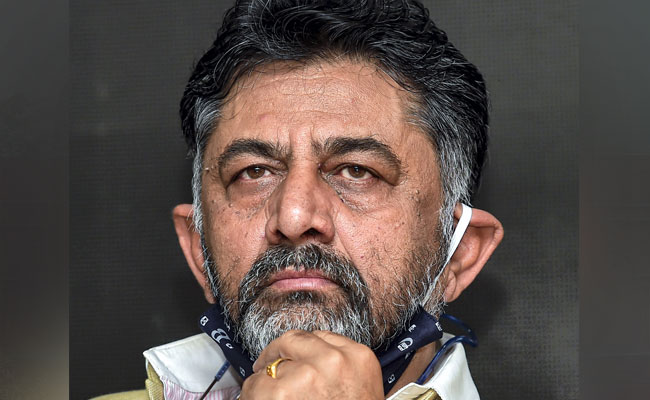
Bengaluru (PTI): Karnataka Deputy Chief Minister D K Shivakumar on Thursday said the government will not allow anyone to take the law into their own hands in the state in the name of fighting for the Kannada language.
He was reacting to the large-scale vandalism in Bengaluru by the activists of Karnataka Rakshana Vedike (Narayana Gowda faction) targeting shops and business establishments which did not have Kannada signboards, advertisements and nameplates.
"We are not against the pro-Kannada activists but they should not take law into their hands. We are not ready to accept damage caused to the properties in Bengaluru," Shivakumar told reporters here.
"We have to save Kannada and we respect those who fight for saving Kannada but that should not mean that the government will shut it's eyes to vandalism," he added.
The Deputy CM said the government directions are clear that signboards, advertisements and name plates should have 60 per cent Kannada and there is a way to implement it such as issuing notices to those violating this norm.
The protesters can stage protests and raise slogans but damaging property is not acceptable, he said.
ALSO READ: HC issues directions on maintaining transport corpn buses, rules to scrap old vehicles
"We are committed to save Kannada. Even the CM has directed us to have all the communications and our official business in Kannada. He had said that the government is committed to save Kannada," Shivakumar told reporters.
To a question that T A Narayana Gowda, KRV convener, has given a warning to the government that it will face the music during the Lok Sabha elections if it does not respect the sentiments of Kannadigas, Shivakumar said let them do whatever they want in a democratic manner but vandalism is not accepted.
"Investors have come here from different parts of the world. People are living here to make their livelihood. They should not be threatened," he added.
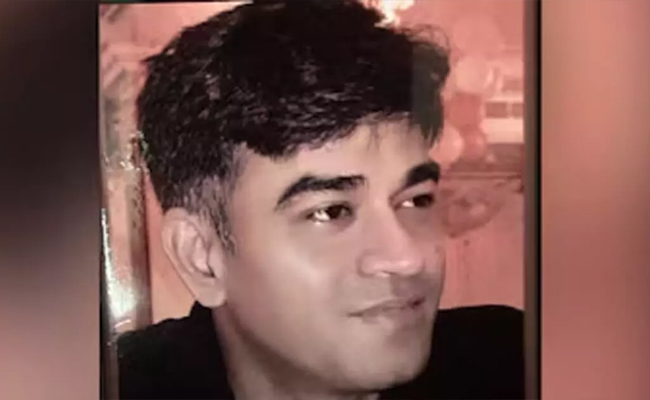
Meanwhile, a Magistrate Court in Bengaluru has sent over 29 Kannada activists including Karnataka Rakshana Vedike president TA Narayana Gowda, to 14 days judicial custody till January 10.
They were arrested by the police on Wednesday after their protests demanding that 60 per cent of nameboards in commercial establishments to be in Kannada turned violent with the destruction of boards that were in English.
Police had detained nearly 500 activists of the KRV who went on the rampage across Bengaluru and other parts of Karnataka.
Gowda was arrested along with some of his aides in Yelahanka. On Thursday at around 5 AM, he was produced before a Magistrate at his residence in Devanahalli who ordered the judicial custody of the arrested persons.
The police have registered three separate FIRs at the Chikkajala Police Station against Gowda and 28 others under Sections 188, 283, 341, 353 and 427 of the Indian Penal Code.
The allegations include assault or criminal force to deter a public servant from discharge of his duty, wrongful restraint, mischief, cause danger, obstruction or injury to any person and disobedience to order duly promulgated by public servant.
After their detention on Wednesday evening, Gowda and others were kept at the Police Driving and Maintainance School in Yelahanka before being taken for medical examination and produced before the Magistrate.
Sources said they will be shifted to the Central Jail at Parappana Agrahara in the city.
Let the Truth be known. If you read VB and like VB, please be a VB Supporter and Help us deliver the Truth to one and all.
Sujit Nair raises concerns over speculation of DMK-AIADMK understanding to block TVK
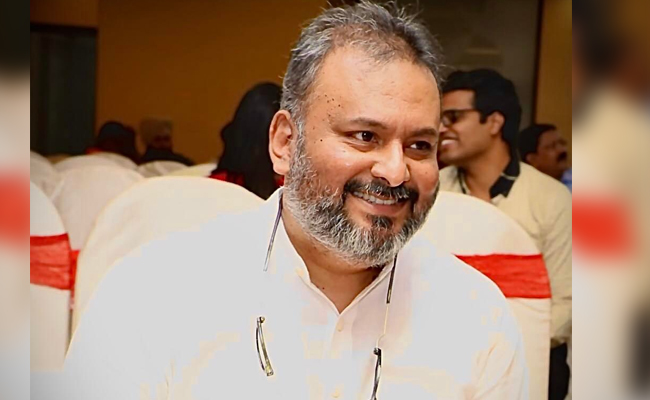
Chennai: Journalist and political commentator Sujit Nair has expressed concern over speculation that the Dravida Munnetra Kazhagam and the All India Anna Dravida Munnetra Kazhagam could explore a post-poll understanding to prevent Vijay-led Tamilaga Vettri Kazhagam from forming the government in Tamil Nadu.
In a social media post, Sujit Nair said the election verdict in Tamil Nadu reflected a clear public demand for political change and argued that the mandate should be respected irrespective of political preferences.
Referring to reports and political discussions surrounding a possible understanding between the DMK and AIADMK, he said he hoped such developments remained only speculative conversations and did not turn into reality.
Nair stated that if such an alliance were to take shape, it would raise serious questions about ideological politics in the country. He said TVK had emerged through a democratic electoral process and that the legitimacy to govern in a parliamentary democracy comes from the people’s verdict.
According to him, attempts to prevent an electoral winner from forming the government through unexpected political arrangements may be constitutionally valid, but many people could view them as politically opportunistic.
He further said that such a move could particularly affect the political image of the DMK, which has historically projected itself around ideology, social justice and opposition politics. Nair said that in ideological terms, the DMK appeared closer to TVK than to the AIADMK, and joining hands with its long-time political rival only to remain in power could weaken its broader political narrative.
He added that the same questions would apply to the AIADMK as well, as the party had spent decades positioning itself against the DMK and such an arrangement could create discomfort among its cadre and supporters.
Drawing a comparison with Maharashtra politics in 2019, Nair said he had expressed similar views when the Shiv Sena formed an alliance with the Indian National Congress and the Nationalist Congress Party after the Assembly elections.
He said post-poll alliances between long-standing political rivals often create a public perception that ideology and electoral mandates become secondary when political power equations come into play.
Nair also said such developments increase public cynicism towards politics and reinforce the belief among voters that ideology is often sidelined after elections.
He maintained that the Tamil Nadu verdict was emphatic and said respecting both the spirit and substance of the mandate was important for the credibility of democratic politics.