Zika virus detected in mosquito species in Karnataka's Chikkaballapura district
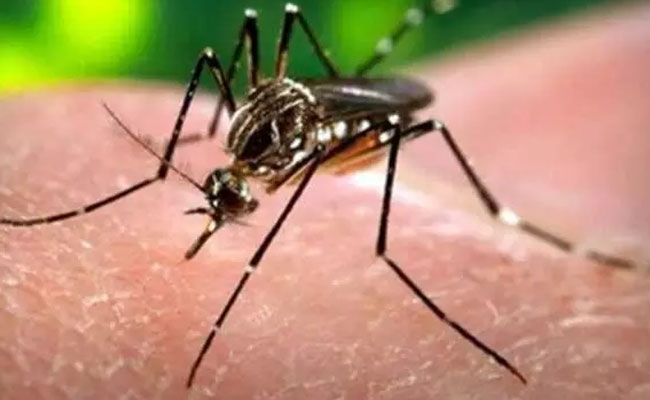
Bengaluru (PTI): Zika virus has been detected in a mosquito species in Chikkaballapura district of Karnataka following which blood samples of people with high fever have been sent to the National Institute of Virology (NIV) for examination, officials said on Thursday.
The virus was detected in Aedes aegypti mosquitoes after samples from six waterbodies in Chikkaballapura were collected and sent for examination in August last week, they said.
Following confirmation of the presence of Zika virus in the mosquito samples collected from Talakayalabetta in the district, an alert was issued in a five kilometre radius of the area as a precautionary measure to contain the breeding.
The officials stressed that the virus has been detected only in mosquito samples collected from the Talakayalabetta waterbody and no cases have been detected in people yet.
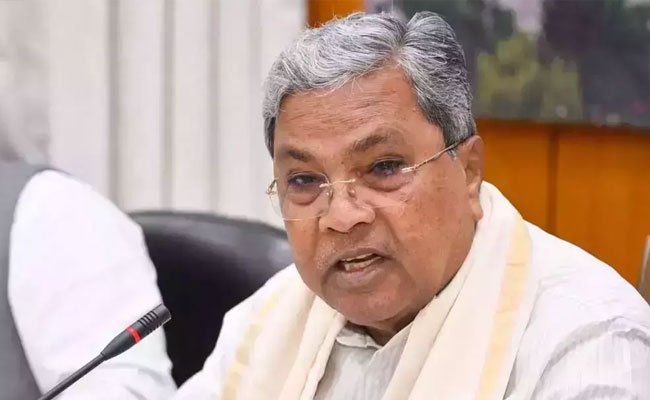
Karnataka Health Minister Dinesh Gundu Rao said no person has been tested positive for Zika virus. "The virus has been detected in a mosquito pool. This report came 10 days ago. Don't be afraid of Zika virus," he said.
"We will be monitoring the situation. A few people were showing some symptoms of fever and rashes. They have been kept in the hospital and checked. Their samples have been sent. Some of them have also been discharged from the hospital. They are okay," he said.
"We will be looking into it. We are taking preventive measures. Our people are on the job The only precaution we need to take is on pregnant women where it might affect the child. So far, nothing of that sort is there. I request people not to panic. Our department is fully looking into it. Hopefully, there will be no breakout of it anywhere," he told PTI videos.
State Health Commissioner D Randeep told PTI, "Zika virus was found in a mosquito pool in Chikkaballapura and not in any humans as of now. Samples of three patients with fever have been sent for testing to the National Institute of Virology. These patients are doing fine."
Chikkaballapura District Health Officer Dr Mahesh Kumar said mosquito samples were collected from six sites by the entomologist team of the state government in August last week and "we received the reports on October 25".
According to reports, mosquito samples collected from five sites tested negative but those collected from the Thalakayalabetta waterbody in Shidlaghatta taluk were found to be positive for Zika virus.
"Since the day we received reports, an alert was issued in the five-kilometre radius of Thalakayalabetta. We have taken all preventive measures at the field level. We formed 53 teams. Each team has two members who have been surveying 888 houses surrounding the five km radius of that area. We have been getting screenings done regularly," he told PTI.
As a precautionary measure, blood samples of 33 patients have been sent to the NIV here. Twenty nine of them are antenatal cases and four samples are of patients with high fever. "We are waiting for the results, which are expected to come in another 10 days," he added.
"Samples are being collected regularly. All these patients whose blood samples have been sent are doing fine. Only one patient with a fever had to be admitted to the district hospital here but the patient has been discharged," Kumar said.
According to health officials, all precautionary measures have been taken to control the mosquito breeding around houses.
Health awareness is being created; people have been made to understand the importance of maintaining cleanliness and hygiene in and around houses.
Mosquito fogging is being done near the area where the Zika virus was detected and the revenue department has also been urged to cooperate with the health department and take necessary action to contain further spread of the virus.
Let the Truth be known. If you read VB and like VB, please be a VB Supporter and Help us deliver the Truth to one and all.
Manjeshwar: A.K.M. Ashraf wins by 31,193 votes
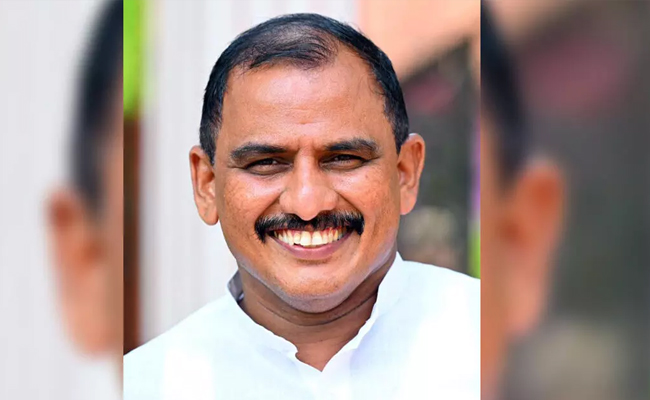
Kasaragod: UDF candidate A.K.M. Ashraf has won the Manjeshwar Assembly seat in Kerala and is set to return to the Assembly.
He led from the start of counting and kept increasing his margin, finally winning by 31,193 votes.
Ashraf got 96,367 votes, while BJP’s K. Surendran got 65,174 votes. LDF candidate K.R. Jayanand finished third with 20,365 votes.
In the last election, Ashraf had won by just 745 votes against Surendran, but this time he significantly increased his lead.