Australian Open draw delayed amid uncertainty over Novak Djokovic

Melbourne: The Australian Open draw was delayed indefinitely on Thursday amid uncertainty over top-ranked Novak Djokovic's visa status.
The draw, to determine men's and women's singles brackets at the year's first tennis major, was scheduled to be held at 3 p.m. local time in Melbourne, but a tournament official told waiting media that the ceremony had been postponed until further notice and declined further comment.
The Australian Open begins Monday.
The Australian immigration minister was still considering whether to deport the nine-time and defending Australian Open champion, who is not vaccinated against COVID-19, on public interest grounds.
Djokovic remained in limbo.
The 34-year-old Serb had his visa canceled on arrival in Melbourne last week when his vaccination exemption was questioned, but he won a legal battle on procedural grounds that allowed him to stay in the country.
Immigration Minister Alex Hawke has been considering the question since a judge reinstated Djokovic's visa on Monday.
Let the Truth be known. If you read VB and like VB, please be a VB Supporter and Help us deliver the Truth to one and all.
Woman's decomposed body found at rented flat in Bengaluru
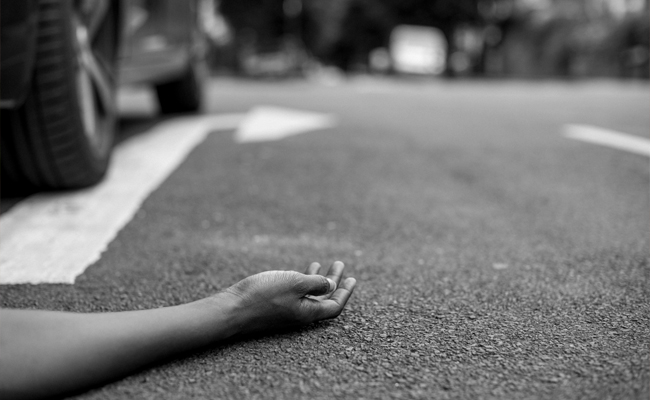
Bengaluru (PTI): The body of a 34-year-old woman was found in a decomposed condition at her rented flat in Bengaluru, police said on Tuesday.
The deceased was identified as Pooja Dutta, a native of Dhanbad in Jharkhand, who was employed with a private company here, they said.
The incident in Adugodi came to light on Monday after neighbours alerted police about a foul smell emanating from her flat, police added.
Police said a team reached the spot, broke open the door and found Dutta's body in a nude and decomposed state, lying in a pool of blood. Preliminary suspicion is that the death may have occurred two to three days earlier, they said.
According to police, no death note was recovered from the spot, though torn papers were found scattered inside the house, prompting suspicion that she may have died by suicide after locking the door from inside.
The body has been sent for post-mortem examination to ascertain the exact cause of death. Once the autopsy report is received, it will be confirmed if it was a suicide or a murder, a senior police officer said, adding that all angles are being probed.
According to the landlady, Dutta had been living in the rented flat for the past three years and was last seen on April 23 when she went out to buy groceries.
The Adugodi police have registered a case of unnatural death, and further investigation is underway.