BCCI earns Rs 4669.99 crore from sale of five Women's Premier League teams
3 IPL franchisees among owners
Mumbai, Jan 25: The BCCI on Wednesday earned Rs 4669.99 crore from the sale of five teams in the inaugural Women's Premier League (WPL) with Adani Sportsline shelling out a massive Rs 1289 crore for the Ahmedabad side, which emerged as the most expensive franchise.
IPL team owners Mumbai Indians, Royal Challengers Bangalore and Delhi Capitals made successful bids of Rs 912.99 crore, Rs 901 crore and Rs 810 crore, respectively, to enter the WPL.
Capri Global Holdings got the Lucknow franchise for Rs 757 crore.
"Today is a historic day in cricket as the bidding for teams of inaugural #WPL broke the records of the inaugural Men's IPL in 2008! Congratulations to the winners as we garnered Rs.4669.99 Cr in total bid," BCCI secretary Jay Shah tweeted.
Earlier this month, the BCCI sold the media rights of the Women's Premier League to Viacom18 for Rs 951 crore, getting a Rs 7.09 crore per match value for five years. Without a ball being bowled, the WPL has become the second biggest T20 league in the world after the IPL.
Adani Group, which had failed to buy an IPL team when the Lucknow and Ahmedabad franchises were up for sale in 2021, has made its official entry into Indian cricket by securing a women's team for WPL. Adani Group announced that the team will be named the Gujarat Giants.
Many were already calling the league Women's IPL but the BCCI secretary revealed the name on Wednesday.
"The BCCI has named the league - Women's Premier League (WPL). Let the journey begin.
"Today is a historic day in cricket as the bidding for teams of inaugural #WPL broke the records of the inaugural Men's IPL in 2008. This marks the beginning of a revolution in women's cricket and paves the way for a transformative journey ahead not only for our women cricketers but for the entire sports fraternity.
"The #WPL would bring necessary reforms in women's cricket and would ensure an all-encompassing ecosystem that benefits each and every stakeholder," Shah said in a series of tweets.
The eight franchisees in the men's IPL were sold for USD 723.59 million before the maiden edition in 2008.
"If you recall, the bids for men's IPL back in 2008 was lower than this if you calculate on the basis of multiple and factor in the inflation, the valuation is beyond the men's IPL at that time. It augurs well for women's cricket," said IPL chairman Arun Dhumal in a media interaction.
Sitting alongside Dhumal, Shah informed that the highest bids for each city-based franchise ended up being the winning one.
"There was a vast difference between bids," he said.
Rajasthan Royals and Kolkata Knight Riders made unsuccessful bids for Rs 180 crore and Rs 666 crore for the Jaipur and Kolkata franchise respectively.
The WPL player auction will take place next month with the first edition to be played in March.
The BCCI on Monday had cleared 17 technical bids for the closed door bidding that was held in a five star hotel here on Wednesday.
As many as seven IPL franchises were in the race and the ones to miss out were Punjab Kings, Kolkata Knight Riders, Rajasthan Royals and Sunrisers Hyderabad.
Among the outsiders, multinational sweets and snacks company Haldiram's too had submitted its bid on Monday. The BCCI had not set any base price for the sale of teams.
A total of 22 games will be played in the inaugural season with the top-ranked team in the league stage qualifying directly for the final. The second and third-placed teams will battle out for a place in the title clash.
Each team will have a purse of Rs 12 crore at the players' auction next month and will need to buy a minimum of 15 players and maximum of 18. Up to five overseas players, including one from associate, will be allowed in the playing XI.
"This new Women's League will once again shine a global spotlight on the talent, power, and potential of our girls. I'm sure our Women's MI team will take the Mumbai Indians brand of fearless and entertaining cricket to a new level altogether," said Mumbai Indians owner Nita Ambani.
The Diageo-owned RCB franchise said it was patiently waiting to become part of women's cricket.
"At the core of Diageo, is the value of gender inclusivity that embraces diversity in the broadest possible sense and this enterprise champions us to welcome and celebrate women's cricket for who they are and the value they bring in the journey of this sport, cricket.
"Therefore, it is a fitting asset in the right direction for the Diageo India-owned franchise.
"We held back all our investments in overseas teams to own a team that
aligns with this philosophy and core value, and it gives us immense pleasure to have marked this accomplishment positively," said RCB chairman Prathmesh Mishra in a statement.
Today is a historic day in cricket as the bidding for teams of inaugural #WPL broke the records of the inaugural Men's IPL in 2008! Congratulations to the winners as we garnered Rs.4669.99 Cr in total bid. This marks the beginning of a revolution in women's cricket and paves the
— Jay Shah (@JayShah) January 25, 2023
way for a transformative journey ahead not only for our women cricketers but for the entire sports fraternity. The #WPL would bring necessary reforms in women's cricket and would ensure an all-encompassing ecosystem that benefits each and every stakeholder.
— Jay Shah (@JayShah) January 25, 2023
FIVE TEAMS
— BCCI (@BCCI) January 25, 2023
FIVE VENUES 🏟️
Welcome to the Women's Premier League 🙌🙌#WPL pic.twitter.com/29MNGEDDXe
Let the Truth be known. If you read VB and like VB, please be a VB Supporter and Help us deliver the Truth to one and all.
Trump says suspect was armed with multiple weapons at WH correspondents' dinner
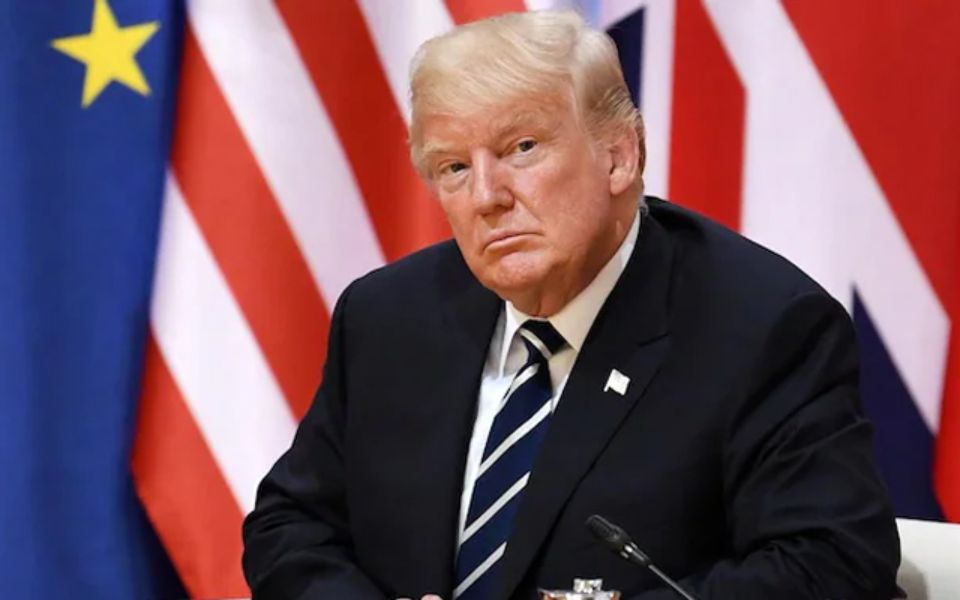
Washington (PTI): President Donald Trump is addressing reporters at the White House after he and other top leaders of the United States were evacuated from an annual dinner of White House correspondents on Saturday night after a shooting incident outside the ballroom.
Trump said the suspect was armed with multiple weapons before stopped by Secret Service. One officer was shot, but he was protected by a bulletproof vest.
“He was shot from very close distance with a very powerful gun, and the vest did the job,” Trump said.