Calf injury rules Rohit Sharma out of New Zealand tour, Mayank Agarwal likely for ODIs
Rahul, Gill for Test
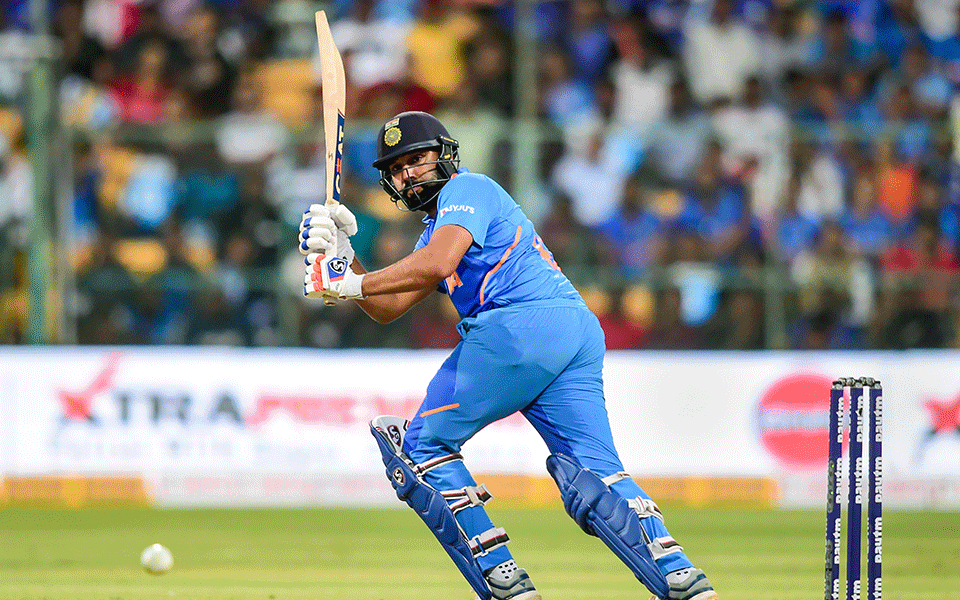
New Delhi: In a blow to India, limited-overs vice-captain Rohit Sharma was on Monday ruled out of the upcoming ODI and Test series against New Zealand after sustaining a calf injury during the fifth T20 International in Mount Maunganui.
Rohit retired hurt after scoring 60 off 41 balls after he pulled his calf muscle while going for a quick single during the match that India won on Sunday.
"He is out of the tour. Right now, it's not looking good. The physio is assessing him. We will get to know how bad it is but he is not taking any further part in the series," a top BCCI source told PTI on conditions on anonymity.
India are set to play three ODIs, starting Wednesday, and two Tests after that.
Going by the pecking order, Mayank Agarwal is likely to be the reserve opener in the ODI format just like during the home ODIs against the West Indies. However, Shubman Gill, with a double hundred in the ongoing A series Tests against New Zealand A, is also back in the mix.
The old selection committee under MSK Prasad will be announcing the replacement but it might take some time as convenor of the selection committee, secretary Jay Shah, is on his way to New Zealand along with treasurer Arun Dhumal.
"Once the secretary's approval comes, the replacement will be announced," the source added.
In the Tests, the experienced KL Rahul could well be back donning the India whites while Gill and Prithvi Shaw are likely to fight for the reserve opener's slot.
It has still not been ascertained whether Rohit has had a calf muscle tear but he looked in severe pain even after physio Nitin Patel attended to him.
Despite pain, smacked a six off Ish Sodhi but had to be replaced after it became unbearable for him. Rohit's injury is a big blow to the Indian team especially after his stupendous show across formats in 2019.
He continued his match-winning efforts first against Australia at home followed by two fine knocks in the recently concluded T20 International series against New Zealand, which India won 5-0.
It included a stellar Super Over performance where he hit back-to-back sixes.
Let the Truth be known. If you read VB and like VB, please be a VB Supporter and Help us deliver the Truth to one and all.
Three private doctors arrested in illegal scanning case involving 31 minor pregnant girls in KR Pet
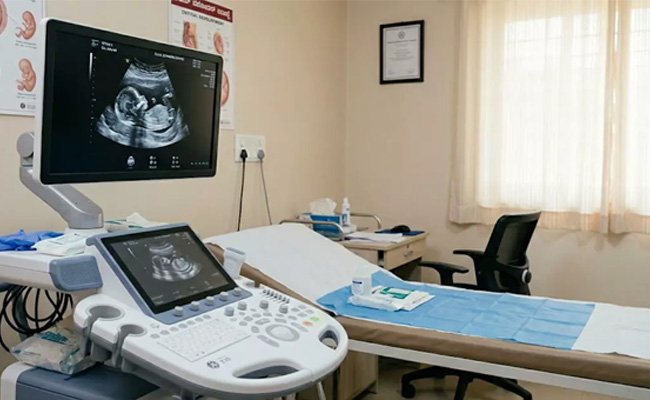
Mandya: Police on Tuesday arrested three private doctors in connection with a case involving alleged illegal scanning of 31 minor pregnant girls at a private diagnostic centre in KR Pet. The accused were later remanded to judicial custody.
The arrested doctors have been identified as Dr. Divyachetan of Chetana Maternity Centre, Dr. Harshit of Navi Diagnostic Centre, and Dr. Harish of Kushal Diagnostic Centre.
Police said Priyanka, a gynaecologist attached to a government hospital, is absconding and efforts are under way to trace her.
The case came to light after Karnataka Lokayukta Police recently conducted raids, during which illegal sex determination tests on minor pregnant girls were allegedly detected at two diagnostic centres in KR Pet town.
Following the raids, District Health and Family Welfare Officer Dr. Mohan, Deputy Director of the Women and Child Development Department P.S. Asha, and District Child Protection Officer Rashmi inspected several diagnostic centres and filed cases at KR Pet Town and Rural police stations.
According to the allegations, Navi Diagnostic Centre conducted scans on 24 minor pregnant girls, including 19 cases in 2024 and five in 2025. Kushal Diagnostic Centre is accused of conducting scans on seven minor pregnant girls.
Meanwhile, Deputy Commissioner Dr. Kumar has directed taluk vigilance committees to inspect all 63 ultrasound scanning centres in the district and submit reports within 10 days.
Officials said the Tahsildar of each taluk has been appointed chairperson of the respective committee.