Dhoni set to miss first two weeks of IPL due to calf strain
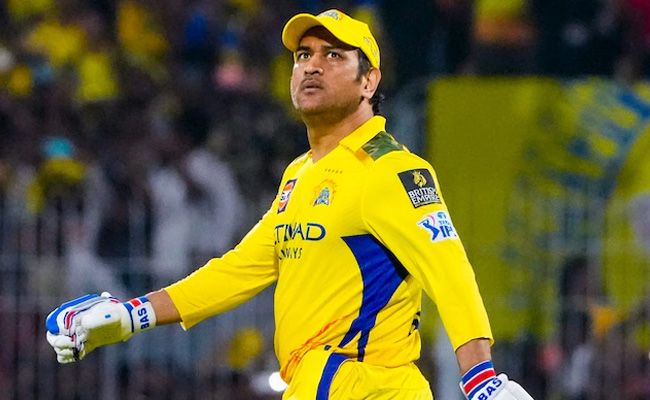
New Delhi (PTI): Chennai Super Kings icon MS Dhoni is set to miss the first two weeks of the IPL due to a calf injury, the franchise said on Saturday.
"MS Dhoni is currently undergoing rehabilitation for a calf strain. As a result, he is likely to miss the first two weeks of TATA IPL 2026," said CSK in a statement.
Dhoni has continued playing the IPL ever since retiring from international cricket in 2020.
The 44-year-old's future in the IPL becomes a topic of intense discussion following CSK's campaign every season. Considering Dhoni only plays the IPL, it becomes tougher to maintain match fitness.
Though Ruturaj Gaikwad is the captain of the side, Dhoni is the de facto leader of the franchise having stayed with them since 2008 barring the time they were suspended from the competition.
Dhoni played 14 games in the previous IPL and batted lower down the order to provide the final flourish to the innings. He has also had to deal with recurring knee issues since his international retirement and underwent a surgery in 2023.
CSK open their IPL 2026 campaign against Rajasthan Royals in Guwahati on March 30.
Let the Truth be known. If you read VB and like VB, please be a VB Supporter and Help us deliver the Truth to one and all.
Gulf War 3.0: What Happens Next?
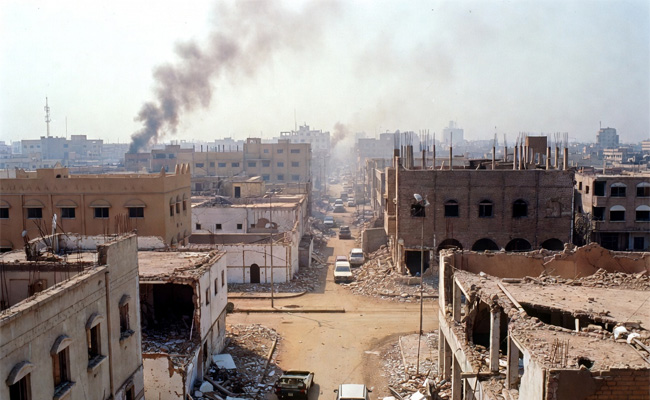
The world is watching closely. A war that many feared would spiral out of control is now at a crossroads — somewhere between a fragile pause and a possible return to chaos. Here is everything that is happening right now, explained simply.
The Pause That Changed Everything
On March 23rd, the US President surprised everyone by signalling a stop to military operations — for five days. This came after threats to shut down Iran's power systems completely, which were already badly damaged from earlier strikes. The reason? Iran's leadership quietly reached out. Think of it like two neighbours who were throwing things at each other, and one of them knocked on the door saying, "Can we talk?"
But talking is easier said than done. Both sides carry long decades of mistrust and broken promises. When history itself becomes a wall, even a simple conversation becomes complicated.
Pakistan Enters the Room
Usually, Oman and Qatar play the role of middlemen between the US and Iran. But this time, both are directly involved in the war, so they cannot mediate. Pakistan stepped forward — and the world took notice.
The warm relationship between the US President and Pakistan's Army Chief, Field Marshal Asim Munir, is a big reason. Pakistan has also managed to stay balanced during this entire conflict, not taking either side strongly. Egypt and Turkey are also playing supporting roles in bringing both parties to the table.
What the US Is Offering
The US quietly sent a 15-point plan through Pakistan to Iran. The plan includes lifting economic sanctions on Iran, helping Iran use nuclear energy peacefully, limiting Iran's nuclear and missile programs, stronger international inspections, and guaranteeing safe passage of ships through the Strait of Hormuz — a vital sea route through which a large portion of the world's oil travels.
However, Iran has publicly denied that any talks have even started. It is like someone accepting a letter but refusing to say they received it.
What Iran Is Demanding
Iran is not staying silent either. It put forward a 5-point proposal of its own. Iran wants a complete stop to all attacks and targeted killings, a firm guarantee that this war will never restart, financial compensation for all the damage done to the country, a ceasefire covering all groups across the region — not just the two main countries — and recognition of Iran's legal control over the Strait of Hormuz.
An Iranian military official bluntly told the US, "Do not call your defeat an agreement." That gives a clear picture of how Iran is feeling right now — angry, cautious, and not ready to back down easily.
Troops Still Moving
While words are being exchanged, weapons are also being moved. The US is preparing to send thousands of airborne troops to the Gulf region. Two Marine groups are already on their way. Iran, on the other hand, has warned that if its land or islands are touched, it will open a new battle front near the Bab al-Mandab Strait — another key sea route connecting to the Red Sea. This would cause serious disruption to global shipping and oil supplies. Preparing for war while talking peace is not new — both sides are using their military strength as bargaining power.
The Four Ways This Can Go
Experts see four possible paths ahead. The best outcome — though unlikely — is that both sides agree to extend the ceasefire, Iran reopens sea routes, and serious peace talks begin. The second positive possibility is a short-term ceasefire with some cautious exchange of proposals, which is more probable. The third path is a painful deadlock — no progress, some violations, but both sides still talking under pressure. The fourth and worst path is complete failure — talks break down, and full-scale fighting returns. This cannot be ruled out.
The Bigger Truth
Iran does not trust the US — that is the single biggest wall in front of any peace deal. Iran's leadership is tight and united. The mediators can only offer a meeting room, not a solution. And Israel has not even agreed to any ceasefire yet, adding more uncertainty to everything. Every single step at the negotiating table is being watched closely by the whole world. Oil prices, shipping routes, and the fate of millions hang in the balance.
The next few weeks will decide whether this pause becomes peace — or just a brief silence before the storm returns.
(Girish Linganna is an award-winning science communicator and a Defence, Aerospace & Geopolitical Analyst. He is the Managing Director of ADD Engineering Components India Pvt. Ltd., a subsidiary of ADD Engineering GmbH, Germany.)
Disclaimer: The views and opinions expressed in this article are solely those of the author. They do not necessarily reflect the views, policies, or position of the publication, its editors, or its management. The publication is not responsible for the accuracy of any information, statements, or opinions presented in this piece.