Double Paralympics gold winner Devendra Jhajharia elected unopposed as PCI president
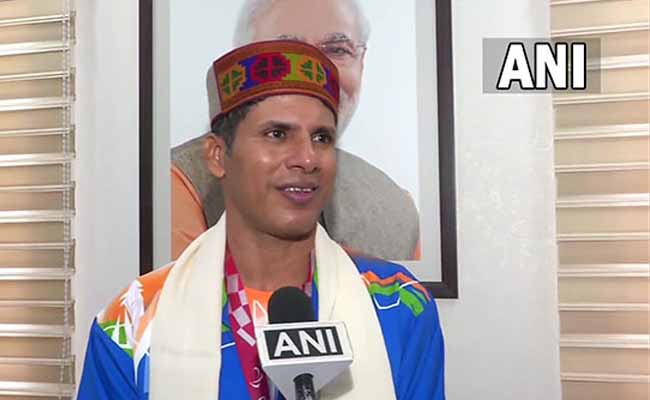
New Delhi (PTI): Two-time Paralympics gold medallist Devendra Jhajharia was on Saturday elected unopposed as the Paralympic Committee of India (PCI) president, succeeding another celebrated para athlete Deepa Malik.
The 42-year-old javelin thrower, who had won a gold medal each in the 2004 Athens and 2016 Rio Paralympics in the F46 disability category, was the only candidate in the fray for the top post.
In fact, all the new office bearers were elected unopposed.
The PCI elections were held for the posts of president, two vice-presidents, secretary general, treasurer, two joint secretaries and five executive committee members.
Initially, eight candidates filed their nomination papers for the post of five executive committee members but three of them later withdrew from the contest.
It was more about completing the formalities as the returning officer Umesh Sinha handed the election certificates to all the new office bearers led by Jhajharia, who is also fighting the upcoming Lok Sabha elections on BJP ticket from his hometown of Churu in Rajasthan.
Jayawant Hammanawar, an international coach and referee from Goa, was elected unopposed as the secretary general.
R Chandrashekhar and Satya Prakash Sangwan will be the two vice-presidents, while Sunil Pradhan was the lone candidate for the treasurer's post. Lalit Thakur and T Diwakara are the two joint secretaries.
Last month the sports ministry suspended the PCI after the Deepa Malik-led dispensation did not hold elections on time. But on March 5, the ministry revoked the suspension after the PCI initiated the election process.
Jhajharia, who hails from Rajasthan, also won a silver medal in the Tokyo Paralympics in 2021. He clinched a world championships gold in 2013 and a silver in 2015 (both F46 category) as well as a silver in the Asian Para Games in 2014.
He has many firsts to his name. He is the lone Padma Bhushan award winner (2022) among the para athletes, besides being the only Indian double Paralympics gold medallist.
He was awarded the Khel Ratna in 2017 and was earlier conferred with the Arjuna Award (2004) and Padma Shri (2012).
#WATCH | Delhi: On his appointment as the President of the Paralympic Committee, Paralympian Devendra Jhajharia says, "We will start a Junior Program by visiting grassroots. there are a total of 700 districts in all our states, and we need to work at the grassroots in them. We… pic.twitter.com/3gIk9QBY94
— ANI (@ANI) March 9, 2024
Let the Truth be known. If you read VB and like VB, please be a VB Supporter and Help us deliver the Truth to one and all.
Shaheen Group announces free education for SSLC toppers scoring 95% and above
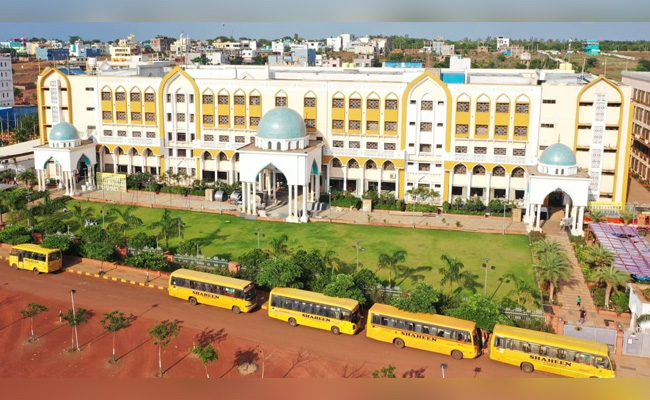
Bidar: Shaheen Group of Institutions has announced free education for students across Karnataka who have secured 95 per cent and above marks in the SSLC examinations.
The announcement was made by Dr. Abdul Qadeer, Chairman of the institution, as part of an initiative aimed at encouraging academic excellence and supporting deserving students.
According to the institution, eligible students from across the state will be provided free education for both First Year and Second Year PUC at Shaheen institutions.
The initiative is expected to benefit a large number of meritorious students by helping them continue higher education without financial burden.
In addition, Dr. Abdul Qadeer announced special scholarships for Kannada medium students and those studying in government schools, recognising their efforts and encouraging them to pursue further studies.
Speaking on the occasion, he said the initiative reflects Shaheen’s continued commitment to inclusive education and merit-based support, ensuring that talented students from all backgrounds receive opportunities to progress.