India beat WI by 107 runs in 2nd ODI
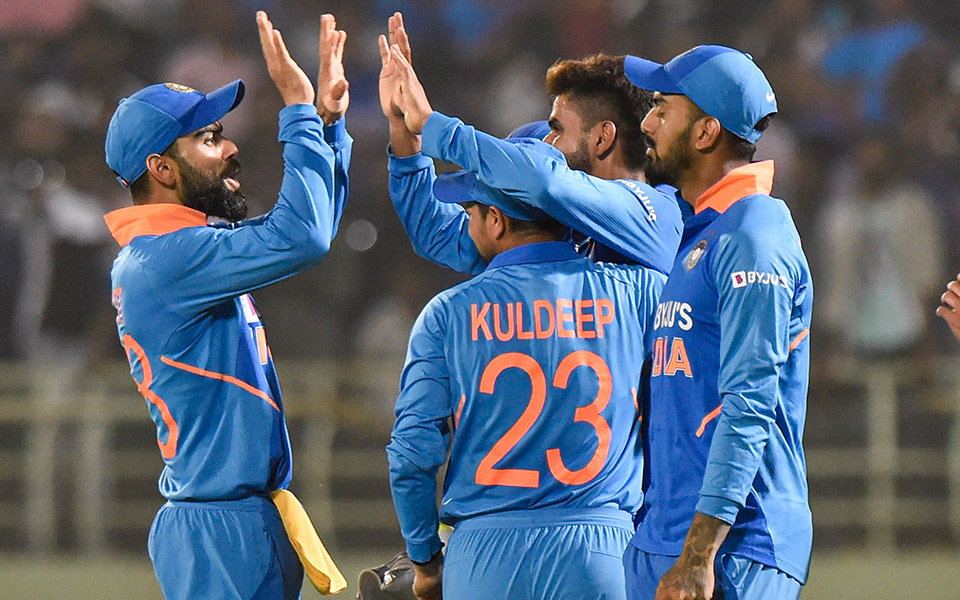
Visakhapatnam, Dec 18: Rohit Sharma captivated with his languid brilliance in company of an equally graceful KL Rahul before Kuldeep Yadav topped it up with a hat-trick in India's series-levelling 107-run victory against the West Indies in the second one-dayer here on Wednesday.
The Indian vice-captain hit his 28th ODI hundred -- 159 off 138 balls -- and added 227 for the opening stand with fellow centurion Rahul (102 off 104 balls) as India put up an imposing 387 for 5 in 50 overs.
Rishabh Pant (39 off 16 balls) and Shreyas Iyer's (53 off 32 balls) thoroughly entertaining 72-run stand in only four overs also provided the impetus required during a final flourish.
In reply, the West Indies, who looked good at 192 for 3 in the 30th over, were bowled out for 280 in 43.3 overs.
It was Mohammed Shami (3/39 in 7.3 overs), who removed the dangerous Nicholas Pooran (75 off 47 balls) and skipper Keiron Pollard (0) off successive deliveries to spark a West Indies collapse.
Kuldeep (3/52 in 10 overs) then removed the dogged Shai Hope (78 off 85 balls), Jason Holder (11) and Alzarri Joseph (0) off successive deliveries to seal the issue in favour of India. This was his second hat-trick in ODIs. He became the first Indian player to claim two hat-tricks in international cricket.
On a shirtfront of a track, West Indies was never going to make a comeback after losing five wickets for 18 runs and it was only a matter of time before India ended their four-match losing streak at home. The decider will now be played at Cuttack on December 22.
Rohit, as usual, batted at his own pace and looked like the bandmaster of an orchestra, who made the Caribbean bowlers dance to his tune.
Sheldon Cottrell (2/83 in 9 overs) was punished with such ferocity that he didn't have energy to do a customary 'Cottrell Salute' once Iyer was out and it was more or less similar for all others like Alzarri Joseph (0/68 in 9 overs) and Keemo Paul (0/62 in 9 overs).
It was also a perfect demonstration on how to press the accelerator in this format -- first 50 off 67, the next off 40 balls and the last off only 25.
The innings had 17 boundaries and five sixes and Rohit played the same shot again and again. It was a swivel off his hips between fine leg and deep fine leg to rising deliveries.
The West Indies bowlers were wary of pitching it up to him fearing his drives but ended up bowling short on the hips and the Indian gleefully played the shot again and again.
At times, they did realise the mistake and pitched it up but then 'Retro Rohit' came out from nowhere playing 1980s slog shots, shuffling towards leg-stump and making room to hit over cover boundary.
There was a bowler's back-drive off Joseph to show who is the boss.
Incidentally, Rohit was much behind Rahul in the race for half-century but reached the three-figure mark before the Karnataka batsman.
When Rahul reached his hundred, he made a gesture which was something like shutting his ears from all the humdrum surrounding him. Whatever he meant, it seemed to have worked well for him.
The biscuit coloured 22-yard, devoid of any grass, was supposed to be a nightmare for the bowlers and it stayed true to its character.
As Rohit took his own sweet time to settle down, Rahul went on the offensive taking on Cottrell first up with a flurry of boundaries.
With the ball coming onto the bat nicely, Rahul hit his first six over point off Jason Holder and then hit left-arm spinner Khary Pierre for a six over long-on as the team total of 50 was reached.
By the time Rahul was into his 30s, Rohit hadn't crossed 20 but it was just a matter of time. Once his Mumbai Indians teammate Alzarri Joseph came into the attack, the pull shot also came out of the drawer.
Alzarri's extra bounce was exactly what Rohit required as he rode on top of it and played a range of strokes to slowly catch up.
It was a rare failure for skipper Virat Kohli (0) but the capacity crowd at the YSR ACA-VDCA Stadium was not disappointed as Pant and Iyer hit eight sixes between them in a span of four overs to ensure the score went past 375.
Brief Scores:
India: 387 for 5 from 50 overs (Rohit Sharma 159, KL Rahul 102, Shreyas Iyer 53; Sheldon Cottrell 2/83).
West Indies: 280 all out in 43.3 overs (Shai Hope 78, Nicholas Pooran 75; Mohammed Shami 3/39, Kuldeep Yadav 3/52).
Let the Truth be known. If you read VB and like VB, please be a VB Supporter and Help us deliver the Truth to one and all.
Yenepoya University conducts autism awareness campaign in Mangaluru

Mangaluru: The Department of Occupational Therapy at Yenepoya (Deemed to be University) conducted a community-based Autism Awareness Campaign at Fiza Mall and Ullal Beach in the city.
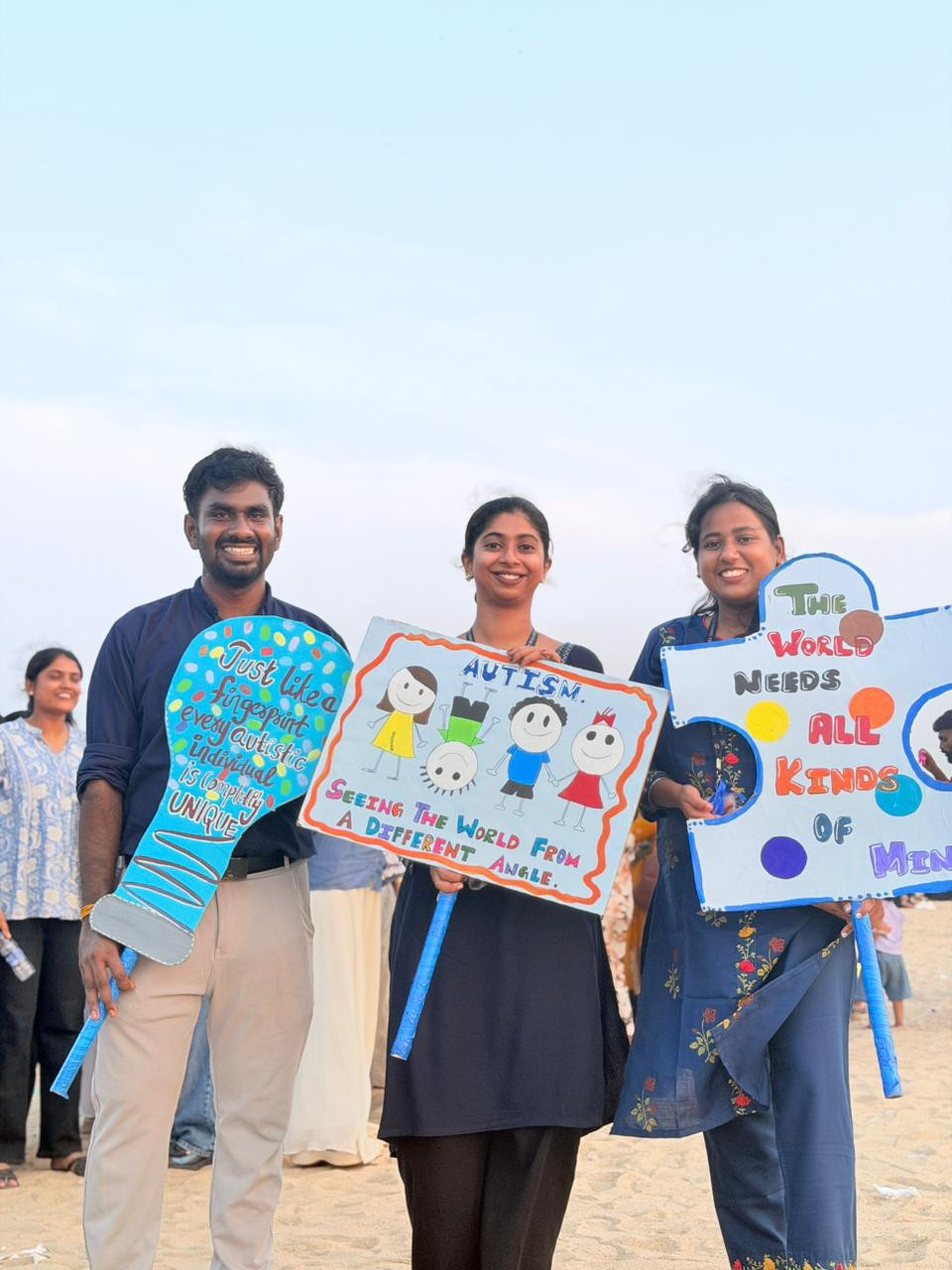
The campaign was aimed at promoting awareness, inclusion, and early identification of autism, in line with the global theme, “Autism and Humanity – Every Life Has Value.”
The programme was led by Dr. Dhayanithi K and Dr. Ananya Jana as organising chairpersons, with Dr. Anas, Dr. Amanda S. Phillip, and Dr. Ansu V. David served as organising members.
Students of the Bachelor of Occupational Therapy (BOT) programme participated in conducting the campaign.
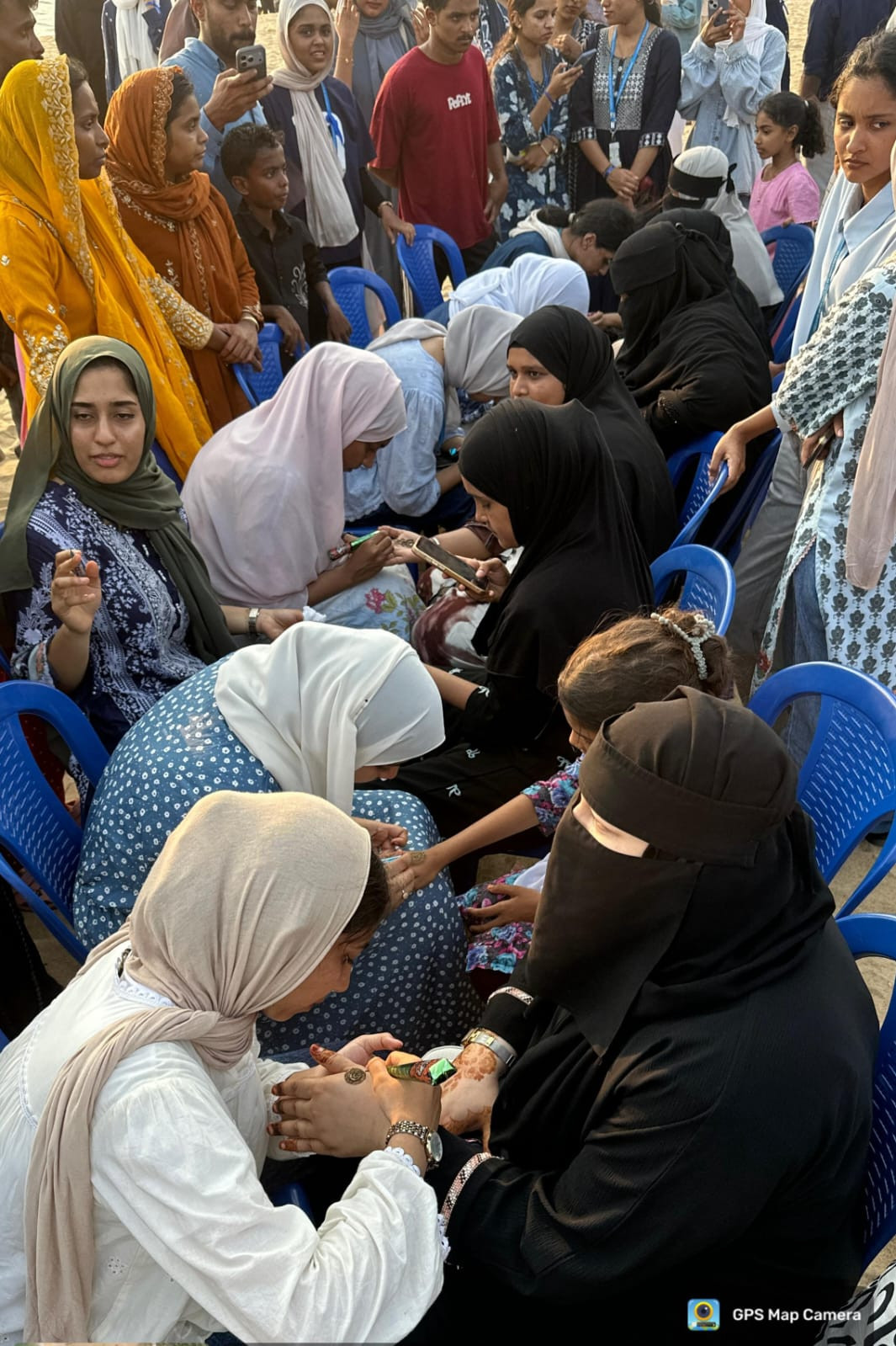
The event included activities such as flash mobs, street plays, face painting, mehendi, and direct interaction with the public.
These activities focused on highlighting early signs of autism, the need for early intervention, and the importance of inclusion and acceptance of individuals with autism.
The campaign reached around 300 to 500 members of the public. It also provided students with practical exposure to community-based rehabilitation and public health education.
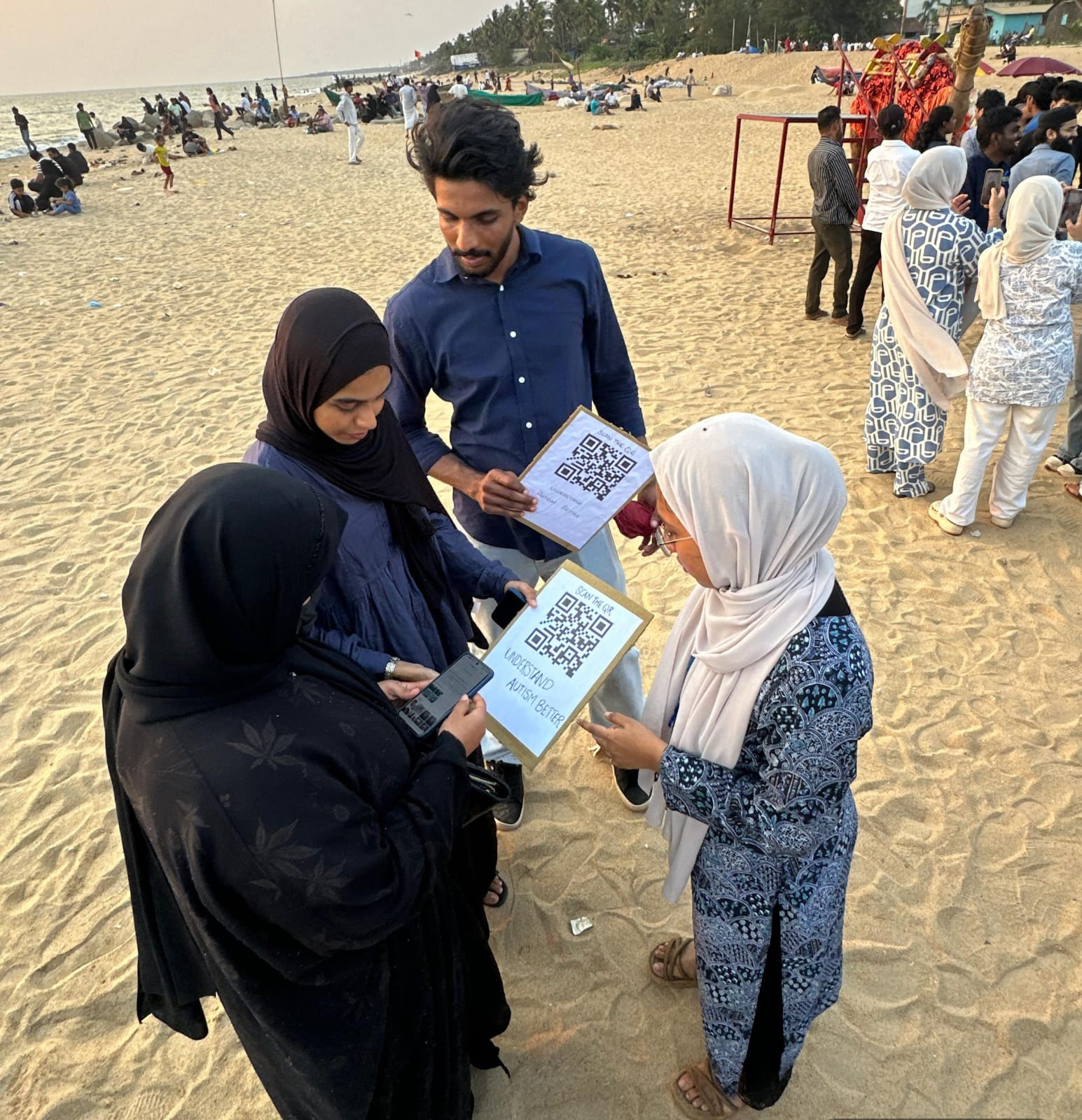
As part of the initiative, QR-based digital resources were introduced to help the public access reliable information on autism.
“Awareness is the first step towards inclusion, and early intervention can significantly improve outcomes,” the organising team said.
The department thanked the university for its support in organising the campaign. It also acknowledged the cooperation of the management of Fiza Mall and the Ullal Beach Police Department in facilitating the event.