India win inaugural Women's U-19 T20 World Cup with thumping win over England
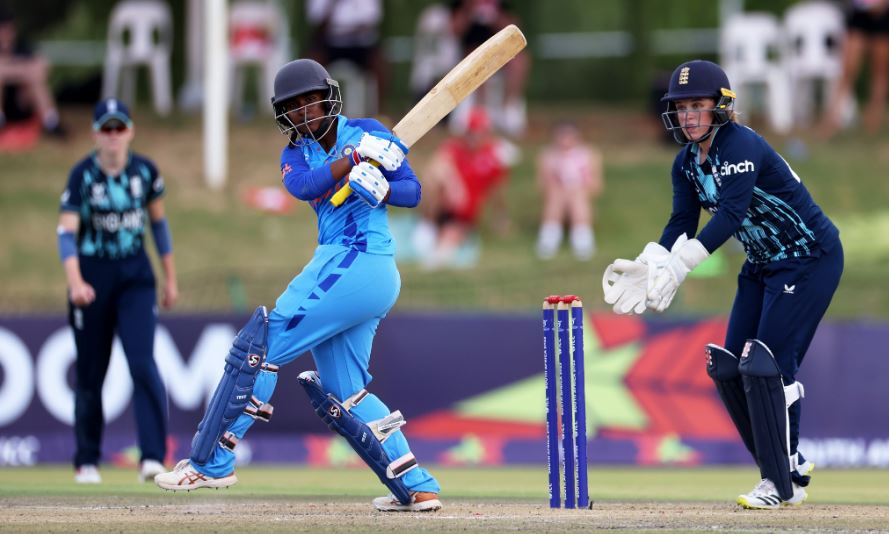
Potchefstroom, Jan 29: India on Sunday won their maiden ICC title in women's cricket as a bunch of sprightly and talented teenagers lifted the inaugural U-19 World Cup with an emphatic seven-wicket victory over England.
The Shafali Verma-led India U-19 squad managed to do what their seniors could not do by clearing the final hurdle in a global event.
India first bundled out England for 68 in 17.1 overs and then returned to knock off the paltry target in 14 overs to lift the coveted trophy.
"It is just a proud moment, its our first world cup," said Trisha with stumps in hand after the memorable win.
The win on Sunday also reaffirms India's dominance at the U-19 level with the boys winning the world title in the Caribbean last year.
India's bowling attack, led by pacer Titas Sadhu and supported by leg-spinner Parshavi Chopra, set up the comprehensive win on Sunday as they blew England away with a clinical display at Senwes Park.
While Sadhu showed that Indian women pace bowling is in safe hands following the retirement of Jhulan Goswami with impressive figures of 4-0-6-2, Chopra too continued her dream run as she snapped two for 13.
Archana Devi also scalped 2 for 17, while Mannat Kashyap (1/13), Shafali(1/16) and Sonam Yadav (1/3) accounted for one wicket each as England were all at sea after being asked to take first strike.
Following a pep talk from India's Olympic champion javelin thrower Neeraj Chopra, India came out with a specific plan and executed it perfectly as England's innings never really took off after being reduced to 16 for three in four overs.
Chasing 69, Shafali started with a boundary off Hannah Baker before launching Sophia Smale for a maximum. But Baker came back to get rid of the India skipper, who was caught by Alexa Stonehouse in the 3rd over.
Her opening and team's best batter in the tournament, Shweta Sehrawat, also was back in the hut after giving a simple catch to Baker off Grace Scrivens in the fourth over.
Soumya Tiwari (24 not out) and Gongadi Trisha (24) then dug their heels in with a 46-run partnership.
With four runs needed, Trisha was cleaned up by Stonehouse, as Tiwari knocked off the winning runs.
Besides Shafali, Richa Ghosh was the other international cricketer in the U-19 squad.
Earlier, Sadhu bowled 20 dot balls in her quota of four overs. She struck in the fourth ball of the innings with a superb caught and bowled effort to get rid of Liberty Heap (0).
Spinner Archana then cleaned up Niamh Fiona Holland (10), while Gongadi Trisha pulled off a sensational catch to get rid of Grace Scrivens (4) to hand Archana her second wicket.
Sadhu could have added another wicket to her name but senior pro Richa dropped a regulation catch of Ryana Macdonald Gay, who had edged an away going ball.
The Bengal pacer, however, didn't have to wait longer as she went through the gates of Seren Smale (3) next.
Macdonald Gay played a couple of hits to the fence to ease the pressure but in-form leg-spinner Parshavi Chopra then got into the act, trapping Charis Pavely (2) infront of wicket as England lost half their side for 39 in 10 overs.
Left-arm spinner Kashyap also kept things tight at the other end as Chopra removed Macdonald Gay with Archana taking a superb one-handed catch with a full dive at extra cover. India's fielding was exemplary in the big game.
With England at 46 for 6 in 12 overs, skipper Shafali brought herself in but Alexa Stonehouse hit her for a rare boundary.
Soumya was then in action as her direct hit found Josephine Groves short by a big margin, leaving England at 53 for 7.
Shafali and Richa then combined to pile further misery on England with the latter producing a stumping effort. Kashyap then removed Stonehouse with Sonam taking a dolly at cover.
Let the Truth be known. If you read VB and like VB, please be a VB Supporter and Help us deliver the Truth to one and all.
Trump says suspect was armed with multiple weapons at WH correspondents' dinner
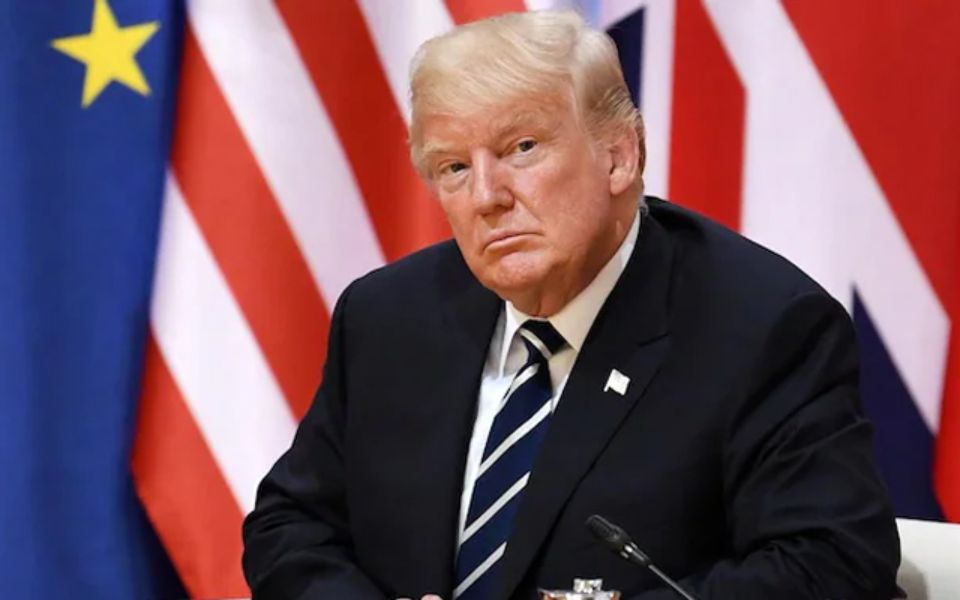
Washington (PTI): President Donald Trump is addressing reporters at the White House after he and other top leaders of the United States were evacuated from an annual dinner of White House correspondents on Saturday night after a shooting incident outside the ballroom.
Trump said the suspect was armed with multiple weapons before stopped by Secret Service. One officer was shot, but he was protected by a bulletproof vest.
“He was shot from very close distance with a very powerful gun, and the vest did the job,” Trump said.