India post 171/7 against England in T20 WC semi-final
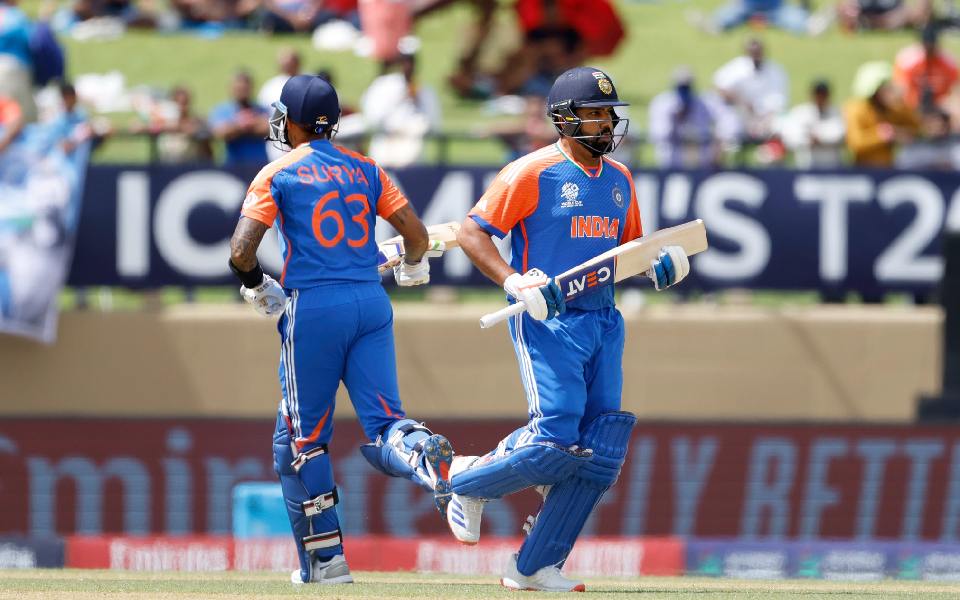
Georgetown (Guyana), Jun 27: Skipper Rohit Sharma hit a half-century but England spinners put up a fabulous show before India posted an above par score of 171 for seven in the T20 World Cup semi-final here on Thursday.
The par score on a slow Providence Stadium track is 167.
The India skipper hit six delectable boundaries and two sixes in his 39-ball-57 while Suryakumar Yadav got 47 off 36 balls but heavy rains that stopped them on tracks after eight overs did disturb their momentum.
The duo added 73 runs for the third wicket. Virat Kohli (9) once again failed and now has a tally of 75 runs from seven games in the tournament.
Part-time off-spinner Liam Livingstone (0/24 in 4 overs) and leg-spinner Adil Rashid (1/25 in 4 overs) were brilliant in keeping things under check, giving only 49 runs in their eight overs.
It was finally left to Hardik Pandya (23 off 13 balls), who took on Chris Jordan in the 18th over, hitting two consecutive sixes that took them close to 150 before Ravindra Jadeja (17) and Axar Patel (10) took India past the par score.
All the frontline English bowlers were among wickets with Chris Jordan (3/37) having the best figures.
Brief Scores:
India 171 for 7 in 20 overs (Rohit Sharma 57, Suryakumar Yadav 47, Hardik Pandya 23, Chris Jordan 3/37, Adil Rashid 1/25, Jofra Archer 1/33, Reece Topley 1/25, Sam Curran 1/25).
Let the Truth be known. If you read VB and like VB, please be a VB Supporter and Help us deliver the Truth to one and all.
Lebanon appoints new representative for talks with Israel, rejects linkage to Iran
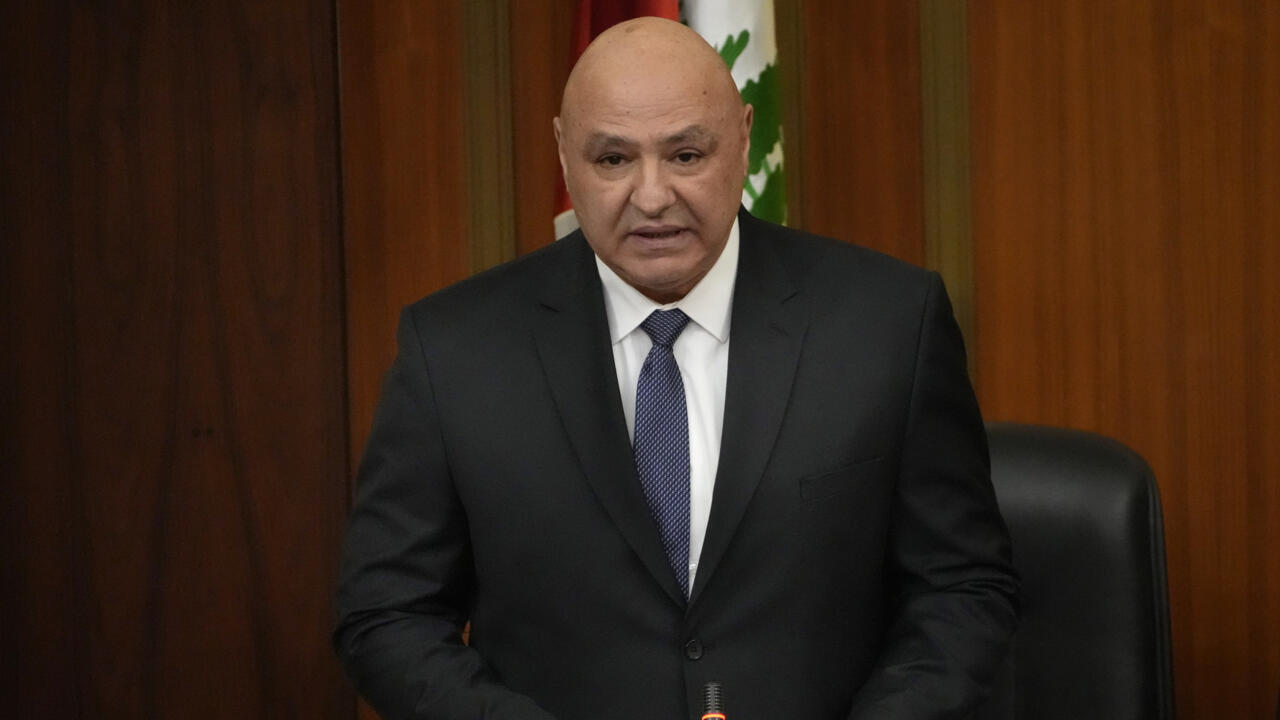
Beirut: Lebanon’s has moved to underline its independent position in ongoing regional developments, amid attempts to link the country to the broader conflict involving Iran, the United States and Israel.
President Joseph Aoun, while announcing the appointment of former US ambassador Simon Karam as Lebanon’s representative in talks with Israel, made it clear that Karam would be the sole representative for Lebanon and that there would be no substitute.
The move comes in response to what the Lebanese officials see as efforts by Iran to tie Lebanon’s situation to the wider regional conflict. Iran had indicated that there would be no ceasefire involving the US, Israel and Iran unless it also included a ceasefire in Lebanon.
Some groups, including Hezbollah and its supporters, had expressed support for linking the situations, citing concerns that the Lebanese government has limited leverage in negotiations with Israel. Lebanon is not formally a party to the conflict, and its army is considered weak.
However, others, including Prime Minister Nawaf Salam, have opposed this approach. They view Iran’s stance as an attempt to influence Lebanon’s internal affairs and see it as undermining the country’s sovereignty.
Officials backing the government’s position say the move is aimed at reaffirming Lebanon’s sovereignty and ensuring that decisions about peace and ceasefire within the country are not dictated externally.
They also see it as a safeguard, so that any breakdown in talks between the US, Israel and Iran does not automatically lead to renewed conflict in Lebanon.