Lakshya Sen beats Kevin Cordon of Guatemala in straight games in Olympic debut match
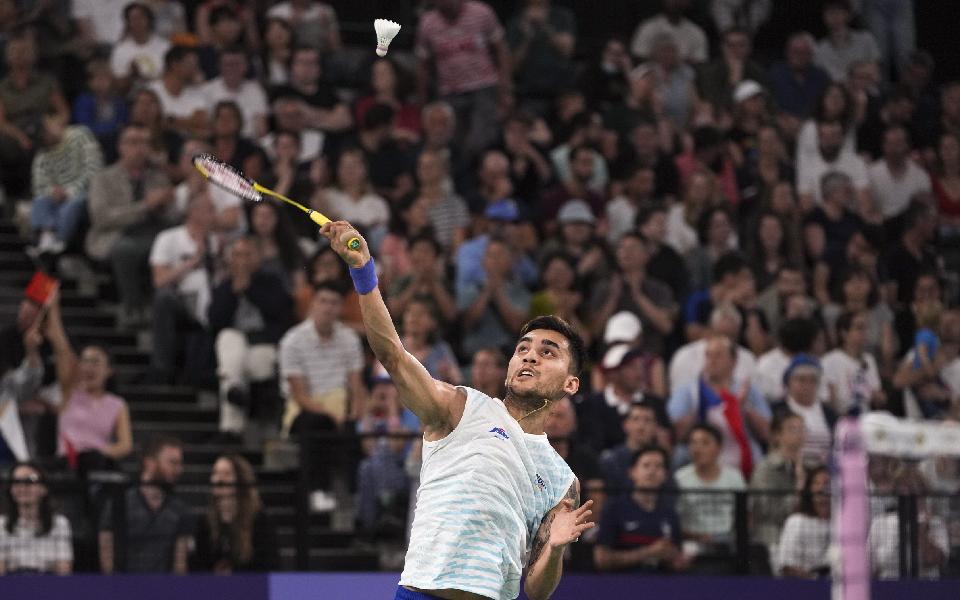
Paris, Jul 27: Ace Indian shuttler Lakshya Sen beat Kevin Cordon of Guatemala in straight games in a group match of the men's singles badminton competition at the Paris Olympics here on Saturday.
The 22-year-old Sen won 21-8 22-20 against reigning Pan American champion Cordon in his Olympics debut match that lasted 42 minutes.
Sen, a gold medallist at the 2022 Commonwealth Games and bronze winner at 2021 World Championships, will face Julien Carraggi of Belgium on Monday in his second group match.
Despite Cordon's good comeback in the second game, Sen held his nerves and emerged as the winner to begin his campaign on a resounding note.
Sen pocketed the first game easily in just 14 minutes. He straightaway took 5-0 lead and was 11-2 ahead at the first change of ends. There was no let up from the Indian as he wrapped up the first match without much resistance from his opponent.
Cordon fought back in the second game and was 6-2 ahead after a fine net play. The Indian closed the gap at 6-8 after a nice smash.
But Sen was more error prone in the second game than in the first and he trailed 7-12 at the change of ends.
The Guatemalan kept himself ahead, winning more rallies than Sen. He was just one point away from taking the match to the deciding game as he was 20-16 ahead.
With legends Prakash Padukone and Vimal Kumar guiding him from the court corner, Sen saved his best for the last and he reeled off four straight points to level the scores 20-20 and then won another two points to seal the match.
Let the Truth be known. If you read VB and like VB, please be a VB Supporter and Help us deliver the Truth to one and all.
Lebanon appoints new representative for talks with Israel, rejects linkage to Iran
Beirut: Lebanon’s has moved to underline its independent position in ongoing regional developments, amid attempts to link the country to the broader conflict involving Iran, the United States and Israel.
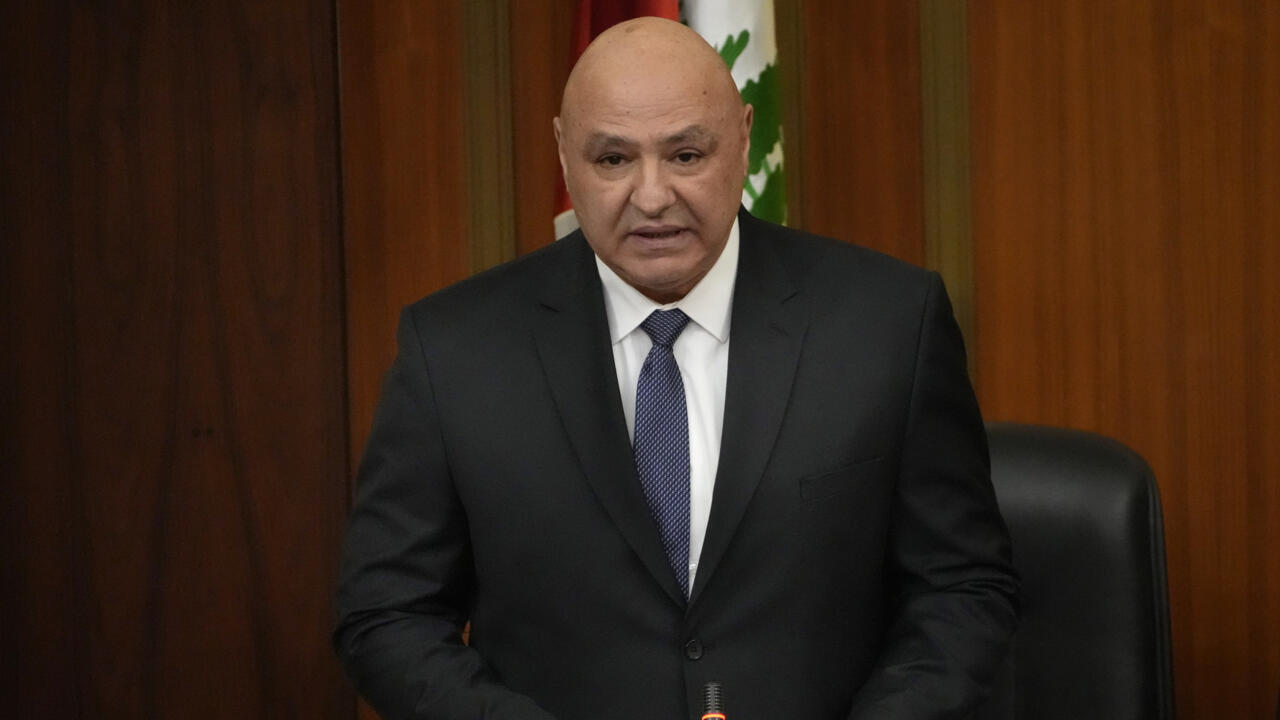
President Joseph Aoun, while announcing the appointment of former US ambassador Simon Karam as Lebanon’s representative in talks with Israel, made it clear that Karam would be the sole representative for Lebanon and that there would be no substitute.
The move comes in response to what the Lebanese officials see as efforts by Iran to tie Lebanon’s situation to the wider regional conflict. Iran had indicated that there would be no ceasefire involving the US, Israel and Iran unless it also included a ceasefire in Lebanon.
Some groups, including Hezbollah and its supporters, had expressed support for linking the situations, citing concerns that the Lebanese government has limited leverage in negotiations with Israel. Lebanon is not formally a party to the conflict, and its army is considered weak.
However, others, including Prime Minister Nawaf Salam, have opposed this approach. They view Iran’s stance as an attempt to influence Lebanon’s internal affairs and see it as undermining the country’s sovereignty.
Officials backing the government’s position say the move is aimed at reaffirming Lebanon’s sovereignty and ensuring that decisions about peace and ceasefire within the country are not dictated externally.
They also see it as a safeguard, so that any breakdown in talks between the US, Israel and Iran does not automatically lead to renewed conflict in Lebanon.