Manu Bhaker enters her first Olympic final; salvages India's underwhelming day in shooting
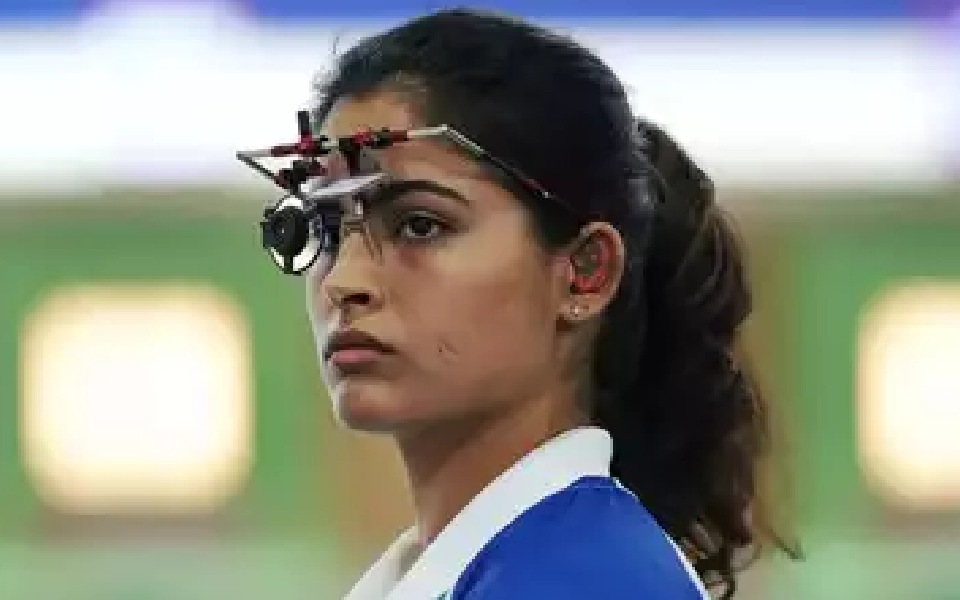
Chateauroux (France), Jul 27: A supremely confident Manu Bhaker was at the top of her game as she entered the 10m women's air pistol final, salvaging the day for Indian shooting after an underwhelming start by her compatriots in the Olympic Games here on Saturday.
The 22-year-old Bhaker shot 580 to finish third in the qualifications in which Hungarian ace Veronika Major claimed the top spot with a score of 582. The other Indian representative, Rhythm Sangwan, ended 15th with a score of 573. The final will be held on Sunday.
Reduced to tears following her forgettable outing in her Games debut in Tokyo three years ago, Bhaker is seeking to add an Olympic medal to her very excellent resume.
A prominent shooter, who has gained international recognition for his exploits in the sport form a very young age, Bhaker looked determined to keep the Tokyo memories behind and produced a fine qualification performance.
The Haryana shooter made a bright start with a total of 97 points to take the fourth spot at the end of Series 1.
Bhaker got a 97 in the second series too and remained in fourth as Sangwan slipped to 26th after a poor outing including an 8. But Bhaker was back in the top two after an excellent 98 in her third series.
Bhaker got an 8 in the fifth series, her first bad shot in an otherwise excellent qualification, but she still remained in the mix and eventually made the final.
Let the Truth be known. If you read VB and like VB, please be a VB Supporter and Help us deliver the Truth to one and all.
Leopard that killed 8-year-old boy caught after weeks in Thane
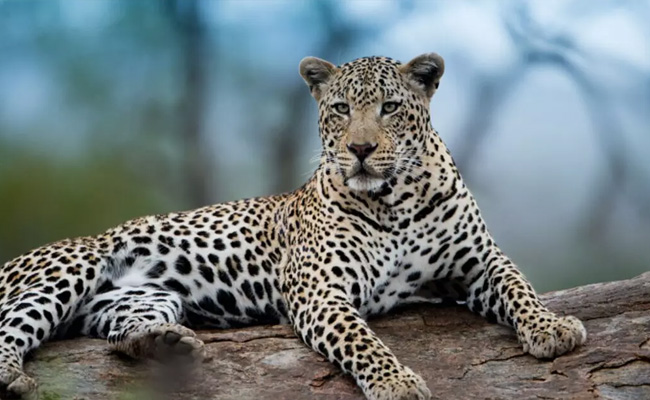
Thane (PTI): Forest officials on Sunday captured a leopard that mauled an eight-year-old child to death nearly a month ago in Shahapur of Maharashtra’s Thane district.
The predator walked into one of the cages set up in the area late Saturday night, ending weeks of panic in several villages in the region, an official from the Dolkhamb division of the forest department said.
"The captured leopard will undergo a thorough medical examination before any further decision is taken regarding its relocation or release," he said.
Senior inspector Suresh Gavit from the Kasara police station confirmed the development, stating that the forest department had successfully secured the animal.
Following the news of the capture, a video surfaced on social media showing a large crowd of villagers, including children, cheering and following the vehicle carrying the caged leopard.
The capture comes as a major relief to the area, which had been on edge since April 16, when the big cat killed an eight-year-old boy.
Krishna Bhaga Agiwale, a resident of Kalbhonde in the Kasara range, had ventured into a forest patch near his house to collect wild fruits when the leopard pounced on him, dragged him into the thicket and killed him on the spot.