Morne Morkel appointed India's new bowling coach, to take charge from Bangladesh series
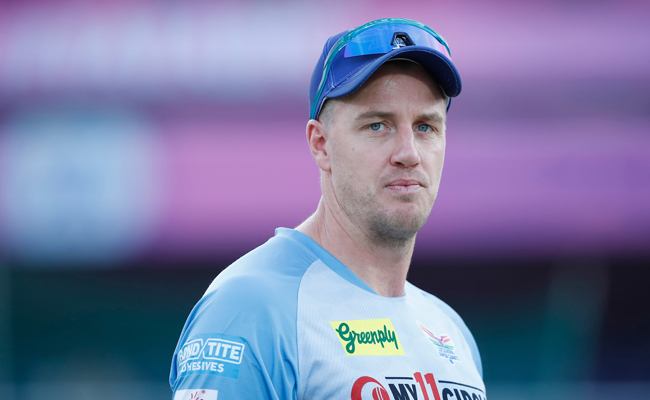
New Delhi, Aug 14: Former South Africa pace great Morne Morkel has been roped in as the Indian cricket team's new bowling coach, BCCI secretary Jay Shah told PTI on Wednesday, completing the appointment of new head coach Gautam Gambhir's preferred support staff.
It is understood that the 39-year-old, who replaces Paras Mhambrey, will take over as the bowling coach from the Bangladesh series that starts with the opening Test in Chennai from September 19. He has been appointed till the end of the 2027 ODI World Cup in South Africa.
"Yes, Morne Morkel has been appointed bowling coach of the senior India men's team," Shah told PTI.
The other members of Gambhir's support staff are assistant coach Abhishek Nayar, and fielding coach Ryan Ten Doeschate.
Morkel was also Gambhir's preferred choice, having worked with him at Lucknow Super Giants during the Indian's two IPL seasons as mentor of the franchise.
Morkel has played 86 Tests, 117 ODIs and 44 T20Is for South Africa with a total of 544 international wickets.
He will be reporting in Bengaluru's National Cricket Academy at the start of next month and is expected to watch the Duleep Trophy games. Once there, he will also touch base with VVS Laxman and head of bowling in NCA, Troy Cooley.
According to sources, Morkel was directly appointed on Gambhir's recommendation ahead of other options like Lakshmipathy Balaji and R Vinay Kumar.
"The Cricket Advisory Committee's (CAC) mandate was to interview the candidates for the head coach. When it came to choice of support staff, it was imperative that Gambhir's choice prevailed. He has worked with Morne and thinks of him highly as a bowling coach," a BCCI source told PTI on conditions of anonymity.
"Also with the big series against Australia coming up Down Under from last week of November, there isn't a better choice than the South African, who has himself enjoyed fair bit of success over there. Also there will be the five-Test tour of England next year with a potential sixth match if India reach WTC final."
It is understood that Balaji and Vinay's names weren't considered once it was clear that Morkel would carry forward the good work done by Mhambrey.
One half of the famous fast bowling duo that featured Dale Steyn, Morkel is a cricketing heavyweight and has also played quite a lot in India to have a fair idea about the conditions.
Also, his stint in the IPL has allowed him to have a ringside view of India's next crop of fast bowlers including the most exciting of them all -- Mayank Yadav, Avesh Khan and Yash Thakur to name a few.
A lot of observers believe that Morkel worked quite a lot with Mayank during the past two seasons of IPL even though he remained injured for the better part.
Morkel's biggest challenge will be to handle the transition phase as Mohammed Shami enters the business end of his illustrious career and Jasprit Bumrah needs more potent support apart from Mohammed Siraj, especially in red-ball cricket.
Morkel had last year worked with the Pakistan team till the end of the ODI World Cup and quit before his contract expired.
India have never had any spin bowling coach as such although former director Ravi Shastri was a distinguished left-arm spinner in his playing days. Sairaj Bahutule, who is a part of Laxman's team at the NCA, has traveled on and off with the senior team.
Let the Truth be known. If you read VB and like VB, please be a VB Supporter and Help us deliver the Truth to one and all.
NEET UG paper leak: CBI arrests Renukai Chemistry Classes (RCC) founder in Latur
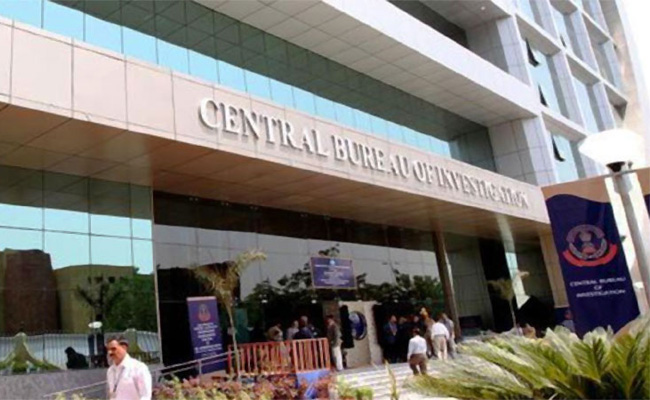
New Delhi (PTI): The CBI has arrested Shivraj Raghunath Motegaonkar who runs the Renukai Chemistry Classes (RCC) in Maharashtra's Latur city in the NEET UG paper leak case, officials said on Monday.
A leaked question paper for the medical entrance exam was found on Motengaonkar' phone mobile during searches conducted by the agency on Sunday. He was arrested after that.
The CBI has alleged that Motegaonkar was an active member of the organised gang involved in the leakage and circulation of the NEET UG paper, the officials said.
Motegaonkar in conspiracy with other accused received the question paper and answers of NEET UG Exam, 2026 ahead of April 23, 2026 exam, they said. He allegedly circulated the paper to several persons.