Paralympic champs return to hero's welcome
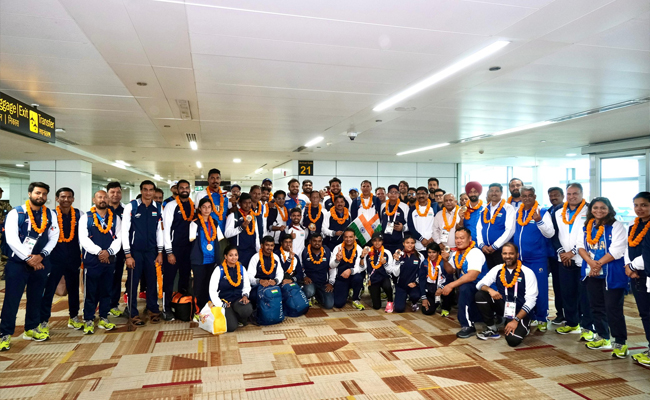
New Delhi (PTI): Swarmed by hundreds of supporters, garlanded and fed sweets, India's Paralympic medal-winners returned to a jubilant welcome on Tuesday after securing an unprecedented haul of 29 medals at the just-concluded Games in Paris.
There was the customary dhol and euphoric chants hailing them as the athletes made their way out of the Indira Gandhi International Airport this morning. Supporters, sports administrators and families of the athletes lined up to show their appreciation for the contingent.
"Thank you so much for this grand welcome," javelin thrower Sumit Antil told PTI.
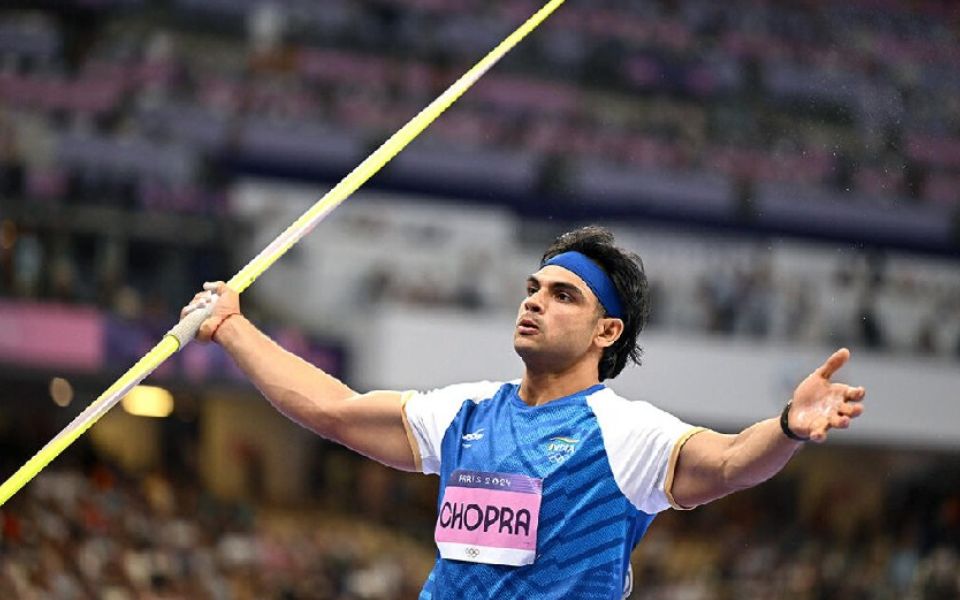
He clinched a second successive gold in the F64 category by breaking his own Games record with a throw of 70.59m.
The reigning world champion became the second Indian after shooter Avani Lekhara to defend the Paralympics title.
Avani had won gold in women's 10m air rifle standing SH1 event in Paris after winning a yellow metal in the same event in the Tokyo Games. She returned to the country last week after completing her events.
Antil lost his left leg below the knee after he was involved in a motorbike accident in 2015. He was an able-bodied wrestler before his accident which led to the amputation of his leg below the knee.
"When you prepare well, you automatically feel confident. I will try to breach the 75m mark soon. I have not had tea for a few days, I would like to have tea with my family," Antil said.
Archer Harvinder Singh, who is also pursuing a Ph.D in economics from Punjab University, was overwhelmed by the appreciation. He has impaired legs owing to the side effects of a dengue treatment he received as a toddler.
He became the first Indian archer to win gold in Paralympics after becoming the country's first medallist in the sport three years ago in Tokyo with a bronze.
"I like to keep myself busy. It helps my focus, the mind wanders less. Any person who is distressed or defeated can take inspiration from para-athletes," he said even as supporters showered flower petals on him and fellow archer Sheetal Devi.
Sheetal, who was born without arms, won the mixed team bronze with Rakesh Kumar after missing an individual medal by a whisker.
"I have had a great experience. I am very happy that India won two medals in archery. We have got good support and that's why we have won so many medals," she said referring to India's record overall haul because of which the country ended 18th in the medal standings.
Another Javelin thrower Navdeep, who competes in the F41 classification owing to his short stature, was lifted by his supporters as he celebrated with them. Navdeep won the gold medal with a personal best of 47.32m.
India had sent a contingent of 84 athletes, the country's largest ever for the Games. Of the total 29 medals, seven are gold, which is also a first for the country.
Let the Truth be known. If you read VB and like VB, please be a VB Supporter and Help us deliver the Truth to one and all.
PM Modi to address the nation tonight at 8.30 PM
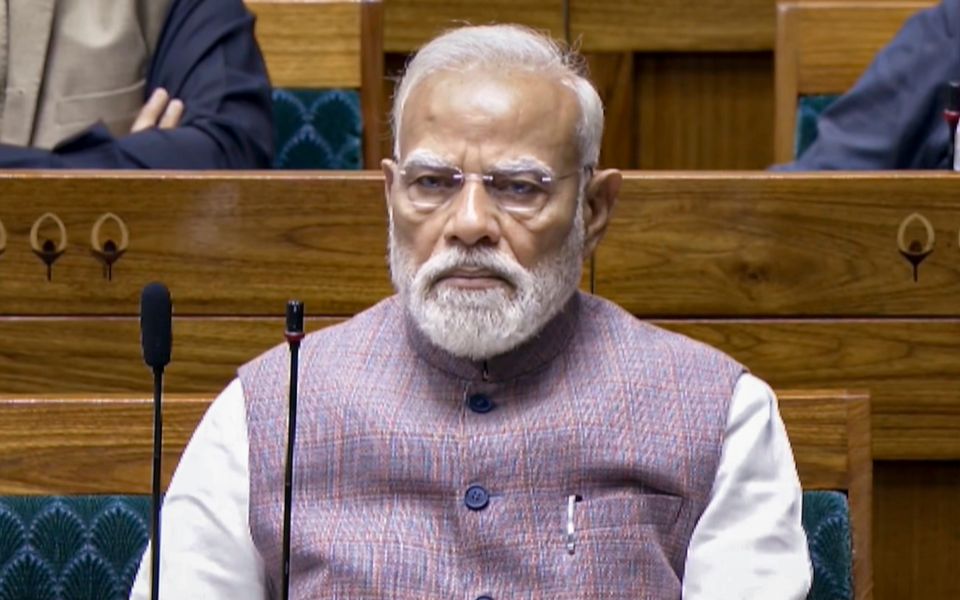
New Delhi (PTI): Prime Minister Narendra Modi will address the nation tonight at 8.30 PM, a day after a bill to implement women's reservation in legislatures was defeated in the Lok Sabha.
"The Prime Minister will address the nation at 8.30 PM (April 18, Saturday)," an official said.
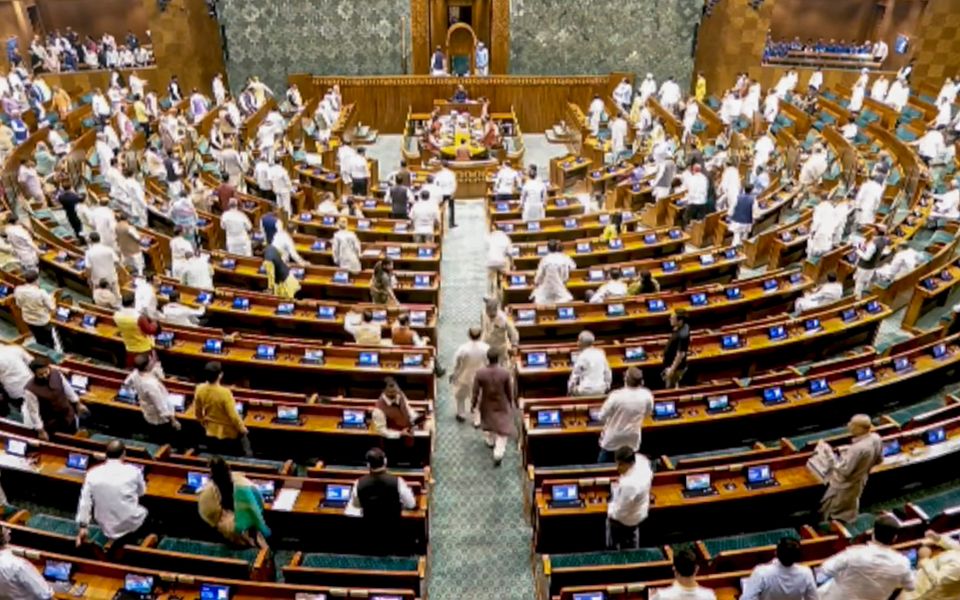
Modi is expected to delve into the issue of implementation of women's quota and the happenings in Parliament, where opposition parties on Friday voted against the Constitution (131st Amendment) Bill.
Under the Bill, Lok Sabha seats were to be increased up to 816 from the current 543 to "operationalise" the women's reservation law before the 2029 parliamentary polls, following a delimitation exercise based on the 2011 Census. Seats were also to be increased in state and UT assemblies to accommodate 33 per cent reservation for women.
A two-thirds majority was required for the passage of the crucial bill but the ruling BJP-led alliance could not muster the numbers.
During polling on the bill in the Lok Sabha on Friday night, 298 members voted in its support, while 230 MPs voted against it.
Out of 528 members who voted, the bill required 352 votes for a two-thirds majority.