Rishabh Pant re-enters top 10; Rohit, Kohli slip in ICC Test batting rankings
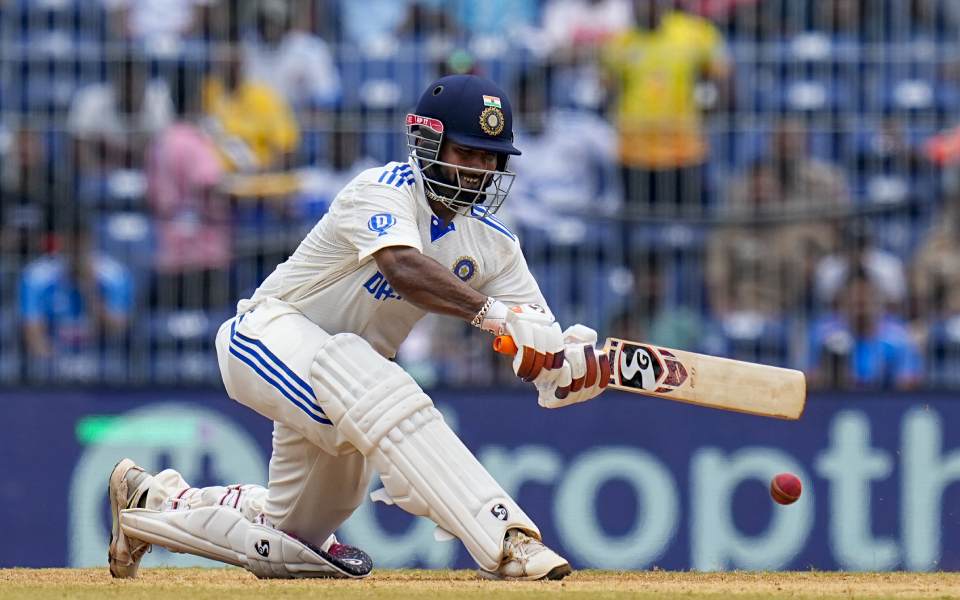
Dubai, Sep 25: Riding on a sensational century in his Test comeback, wicketkeeper-batter Rishabh Pant on Wednesday re-entered the ICC rankings at an impressive sixth position but India skipper Rohit Sharma and Virat Kohli slipped in a major shake-up in standings.
Pant (731), who smashed a stunning century in the opening game of the two-Test series against Bangladesh in Chennai, was placed sixth, while opener Yashasvi Jaiswal (751), moved up to fifth thanks to a half-century in the first innings of the Test match.
India skipper Rohit Sharma retained his place in the top ten, though he moved down five places with two underwhelming scores. He has 716 rating points.
Kohli also dropped five spots to go out of the top-10 and he is now placed 12th in the standings.
The Sri Lanka-New Zealand Test in Galle brought about top 10 bowling rankings shifts, with Prabath Jayasuriya solidifying his reputation as one of the game's best spinners, moving five spots into eighth after a nine-wicket haul.
Jayasuriya (743) is the highest-ranked player representing Sri Lanka across the three disciplines, moving past Asitha Fernando, who slid down two spots to 13th (700).
Kamindu Mendis, who moved up three spots to 16th in the batting rankings and Dhananjaya de Silva, who climbed five spots to 18th on the All-Rounder Rankings (168) were other movers over note in the victory.
In ODI rankings, young Afghan star Rahmanullah Gurbaz and Australian Travis Head leapt into the top 10 in the Batting rankings, thanks to quick-fire hundreds in action across UAE and England.
Gurbaz continued his dream career start in ODI cricket, hitting his seventh century in the format before his 23rd birthday, and moving 10 spots in the process up to eighth (692) to become the first-ever Afghan batter to reach the top 10 positions of the ICC Men's ODI Batting Ranking.
The previous best performer from the Asian country in the ODI Batting Rankings was Ibrahim Zadran, who had reached the 12th rank.
Gurbaz edged Head, who moved seven spots to ninth (684) in large part thanks to his 154 not out (129) in the first of five ODIs against rivals England.
Afghan leg-spinner Rashid Khan joined Rahmanullah in the rankings headlines, moving eight spots to third (668) in the ODI Bowling Rankings, claiming seven wickets across the team's two victories against South Africa in UAE.
The contributions of the pair helped Afghanistan to an ODI series win over the Proteas, their first against a top five-ranked opposition in their history.
Let the Truth be known. If you read VB and like VB, please be a VB Supporter and Help us deliver the Truth to one and all.
PM Modi to address the nation tonight at 8.30 PM
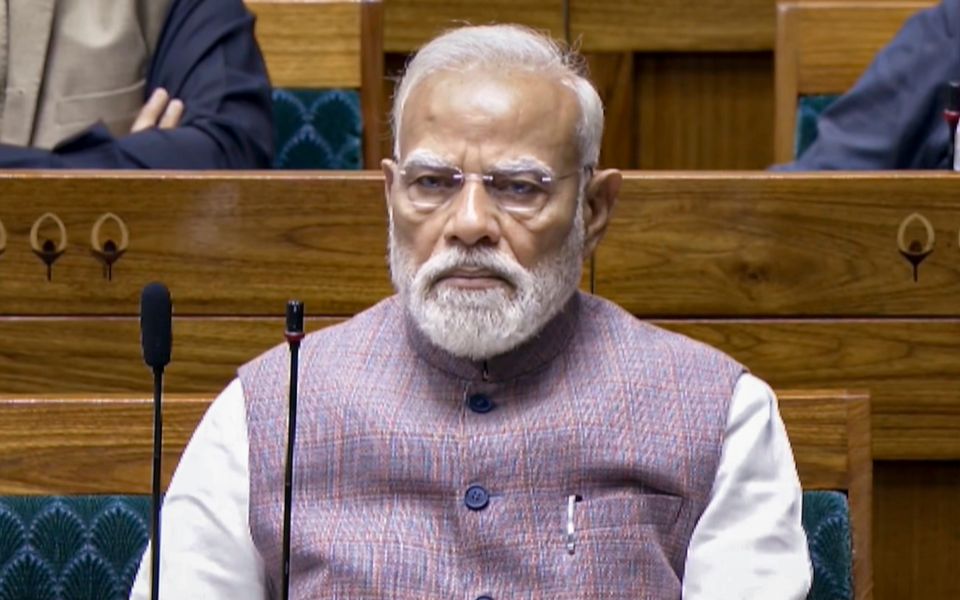
New Delhi (PTI): Prime Minister Narendra Modi will address the nation tonight at 8.30 PM, a day after a bill to implement women's reservation in legislatures was defeated in the Lok Sabha.
"The Prime Minister will address the nation at 8.30 PM (April 18, Saturday)," an official said.
Modi is expected to delve into the issue of implementation of women's quota and the happenings in Parliament, where opposition parties on Friday voted against the Constitution (131st Amendment) Bill.
Under the Bill, Lok Sabha seats were to be increased up to 816 from the current 543 to "operationalise" the women's reservation law before the 2029 parliamentary polls, following a delimitation exercise based on the 2011 Census. Seats were also to be increased in state and UT assemblies to accommodate 33 per cent reservation for women.
A two-thirds majority was required for the passage of the crucial bill but the ruling BJP-led alliance could not muster the numbers.
During polling on the bill in the Lok Sabha on Friday night, 298 members voted in its support, while 230 MPs voted against it.
Out of 528 members who voted, the bill required 352 votes for a two-thirds majority.