Virat Kohli comes in support of Smith, says booing him unacceptable
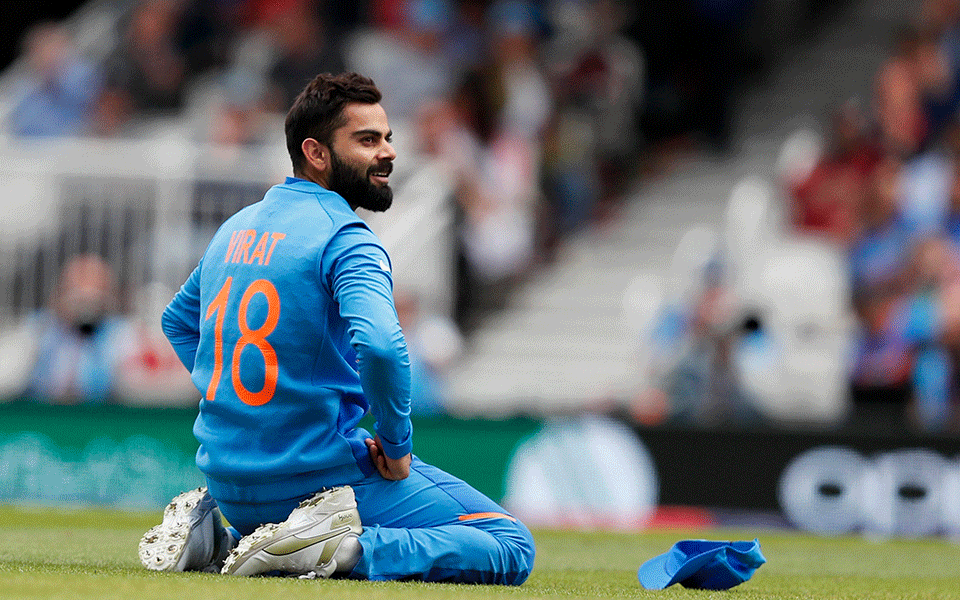
London:Indian skipper Virat Kohli says he apologised to Steve Smith on behalf of the fans after the former Australian skipper coped another round of "unacceptable" booing in the ongoing World Cup.
Back after serving a one-year suspension for the infamous ball-tampering scandal in South Africa, Smith, despite a string of impressive performances, has been getting a hostile reception at every English ground at the marquee event.
During the clash with India here on Sunday, which Australia lost by 36 runs, the Indian fans booed Smith and chanted "cheater, cheater" when the defending champions were fielding. Kohli urged them to calm down and instead cheer his batting.
"I just felt for him, and I told him, 'I'm sorry on behalf of the crowd because I have seen that happen in a few earlier games as well'. In my opinion, that's not acceptable," the Indian captain said.
"Just because there are so many Indian fans here, I just didn't want them to set a bad example, to be honest, because he didn't do anything to be booed in my opinion. He's just playing cricket," Kohli said at the end of the match.
ICYMI: All class from Virat Kohli overnight: https://t.co/5298aX0pgK #CWC19 pic.twitter.com/RHxcLBuIzn
— cricket.com.au (@cricketcomau) June 10, 2019
Kohli and Smith have had their run-ins in the past including the infamous 'Brain fade' controversy during a 2017 Test match in Bengaluru, when Smith was seen seeking help for a referral from the dressing room. The home captain was left fuming during that time.
But on Sunday, the two were seen shaking hands after the former gestured the fans to show some restraint.
"He (Smith) was just standing there, and I felt bad because if I was in a position where something had happened with me and I had apologised, I accepted it and I came back and still I would get booed, I wouldn't like it, either," he said.
For Kohli, if someone has shown repentance then others should let go of the baggage and move on. "Look, I think what's happened has happened like long back, the guy is back. He's trying to play well for his side.
"Even in the IPL, I saw him, it's not good to see someone down like that, to be honest," Kohli said. Kohli acknowledged the differences he has had with Smith in the past.
"We've had a few arguments on the field. But you don't want to see a guy feeling that heat every time he goes out to play.
"What's happened has happened. Everyone has known that. He's come back. He's worked hard. He's playing well for his side now," the skipper said.
Let the Truth be known. If you read VB and like VB, please be a VB Supporter and Help us deliver the Truth to one and all.
CJI's advice to aspirant: Join the bar, become a lawyer, don't hanker for judicial services post
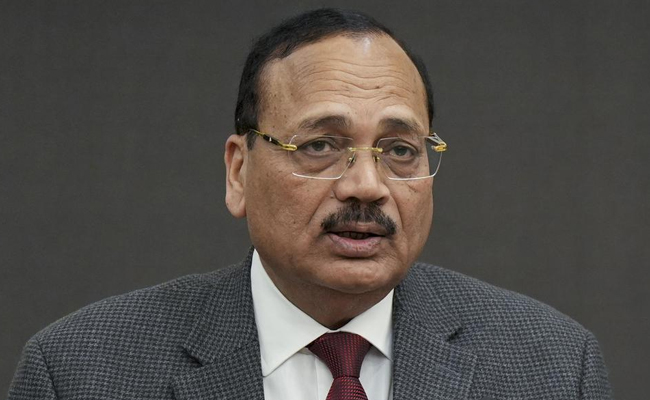
New Delhi (PTI): She came to the Supreme Court seeking a re-evaluation of her paper in the examination for joining judicial services as a magistrate. What she got instead was a rejection — and a candid confession by the Chief Justice that he too had wanted to join the judicial services in his youth but was advised by a senior judge to become a lawyer instead.
A bench comprising Chief Justice Surya Kant and Justice Joymalya Bagchi on Friday dismissed a plea filed by Prerna Gupta, the judicial services aspirant.
As Gupta pressed her case, the CJI intervened and said, "Let me share my personal story and I hope you will go happily as we cannot allow your petition."
He recounted his time as a final-year law student in 1984 when he wanted to become a judicial officer. As per requirement, he cleared the written test and was set to appear for an interview.
Judicial services is one of the two routes to become a judge after initially joining as a magistrate in lower court and thereafter rising through the ranks to become judge in a high court and possibly the Supreme Court.
The other route is to join the Bar, which means becoming a lawyer, and after building a reputation be picked from the Bar to become a judge at a senior level.
By the time the CJI's exam results came out, he had started practising at the Punjab and Haryana High Court when he was called for the interview.
The senior-most judge on the interview panel happened to be a judge before whom he had recently argued two significant matters.
"One of the matters was Sunita Rani vs Baldev Raj, where he had allowed my appeal in a matrimonial case and set aside the decree of divorce granted by the District Judge on the ground of schizophrenia," he noted.
Before the interview could take place, the judge called the young Surya Kant to his chamber and asked, 'Do you want to become a judicial officer?'
"I said 'yes.' He immediately said, 'Get out from (my) the chamber.'"
The courtroom fell silent as the CJI Justice described his initial heartbreak.
“I came out trembling. All my dreams were shattered. I thought he had snubbed me and that my career was over,” the CJI said.
However, the story took another turn the following day and the judge summoned him again, this time offering a piece of advice that would change the trajectory of his life.
“He said, ‘If you want to become (a judge), you are welcome. But my advice is, don’t become a judicial officer. The Bar is waiting for you,’” Justice Surya Kant recalled.
The CJI said he decided to skip his interview and didn't even tell his parents at first, fearing their disappointment, and instead chose to dedicate himself to his practice as an advocate.
“Now tell me did I make a bad right or bad decision,” the CJI asked and the litigant lawyer left the court with a smile on her face despite her case being dismissed.
Encouraging the petitioner to look toward the future rather than dwelling on the re-evaluation of a single paper, Justice Surya Kant said, "The Bar has much to offer."