90 houses destroyed by Australia wildfires
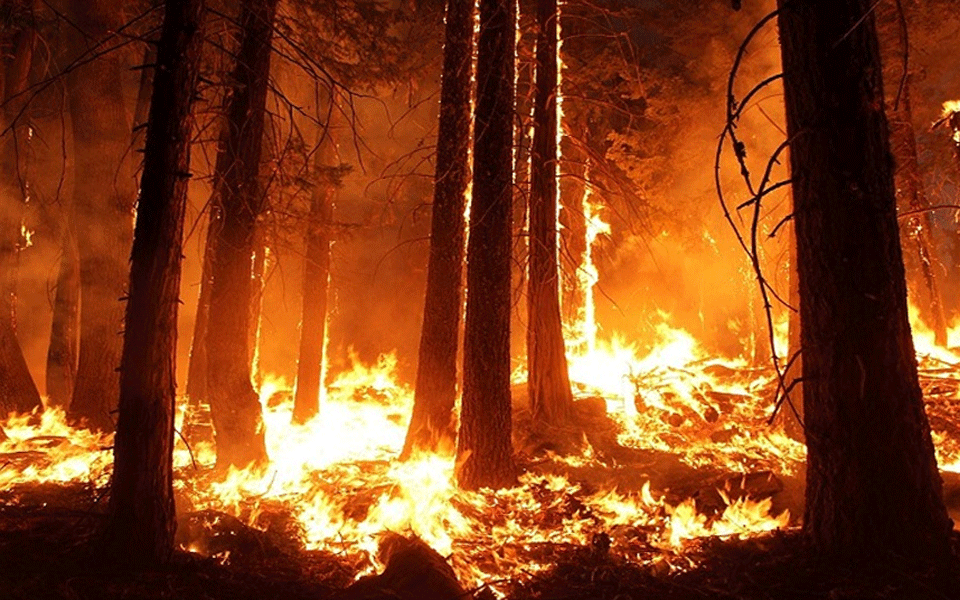
Canberra: At least 90 houses and properties were destroyed by wildfires raging in various parts of southeastern Australia over the weekend, officials said on Monday.
Some 70 houses were burnt down by a fire in the town of Tathra, which has been blazing since early Sunday morning, reports Efe news.
A volunteer firefighter was injured and four civilians were treated for smoke inhalation, but no one has been reported missing so far, according to the New South Wales Rural Fire Service.
The wildfire, fuelled by strong winds and high temperatures, spread rapidly over an area of 1,070 hectares but the fire service finally managed to control it due to change in weather conditions.
The fires have destroyed 18 houses, killed livestock and razed farms in areas some 200 km southwest of Melbourne.
Experts had warned authorities in recent reports about the worsening of extreme heat waves and wildfires due to increased carbon dioxide emissions.
The fire season in Australia varies according to the area and weather conditions.
Let the Truth be known. If you read VB and like VB, please be a VB Supporter and Help us deliver the Truth to one and all.
Thumbay University Hospital inaugurates Institute of Neurosciences in Ajman
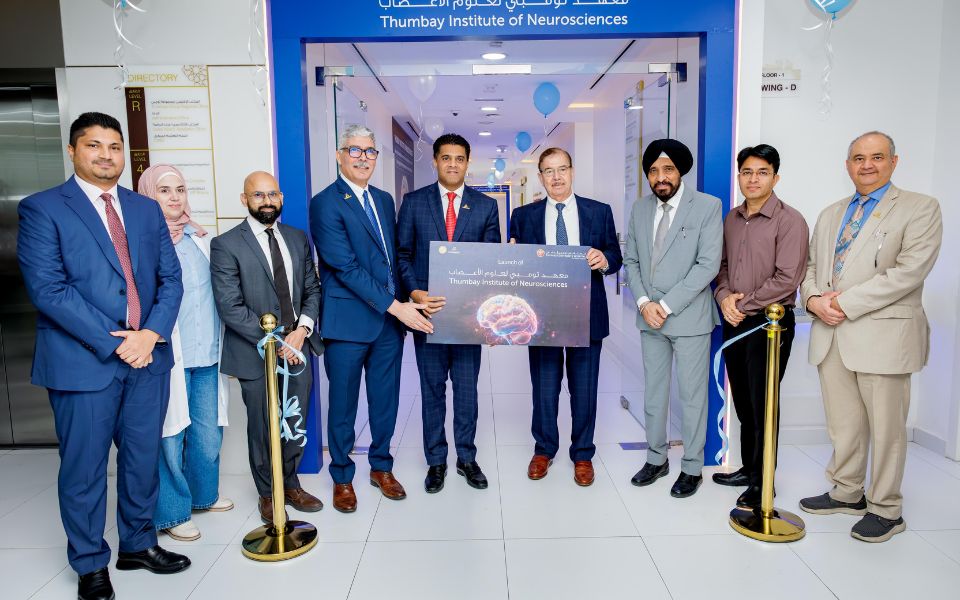
Ajman: Thumbay University Hospital has inaugurated the Thumbay Institute of Neurosciences, a specialised centre for the diagnosis, treatment, and management of disorders related to the brain, spine, and nervous system.
The inauguration was presided over by Dr. Thumbay Moideen, Founder and President of Thumbay Group, in the presence of senior healthcare officials and representatives from the group. Dr. Abdul Karim Msaddi, Consultant Chief Neurosurgeon and Chairman of the ArabSpine Course Diploma and Dubai International Spine Conference, attended the event as the chief guest.
According to the hospital administration, the institute will function with a multidisciplinary team comprising neurosurgeons, neurologists, interventional radiologists, neurotechnicians, and rehabilitation specialists. Neurology services will address conditions such as stroke, epilepsy, Parkinson’s disease, multiple sclerosis, Alzheimer’s disease, migraines, neuropathy, vertigo, and sleep disorders. Diagnostic support includes electroencephalography (EEG), electromyography (EMG), nerve conduction studies, and neuroimaging.
The institute will also provide surgical interventions for brain, spine, and nerve-related conditions, including brain tumours, vascular abnormalities, traumatic brain injuries, spinal disorders, and paediatric neurological cases. Procedures such as cranioplasty, hydrocephalus management, and spinal fixation will be carried out using microsurgical and minimally invasive techniques, supported by neuronavigation systems and intraoperative neuro-monitoring.
Rehabilitation services at the institute include technology-assisted therapies such as robotic rehabilitation, transcranial magnetic stimulation, hyperbaric oxygen therapy, gait and motion analysis, EMG-based functional assessments, and exoskeleton-assisted rehabilitation.
Hospital authorities stated that the institute will follow a structured care model in which neurologists manage non-surgical cases and neurosurgeons undertake surgical interventions when required.
.jpeg)