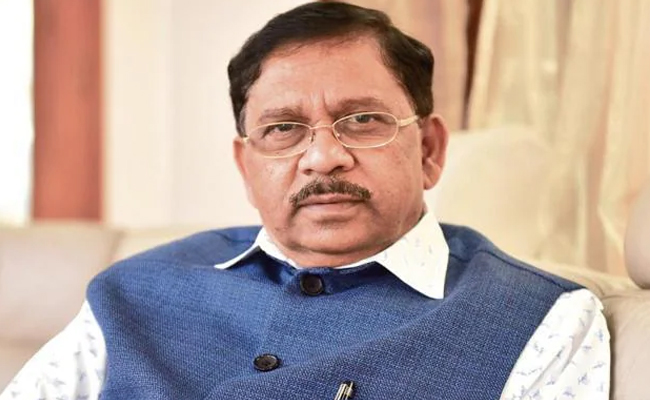
Dutch former anti-Islam MP says he’s become a Muslim
-
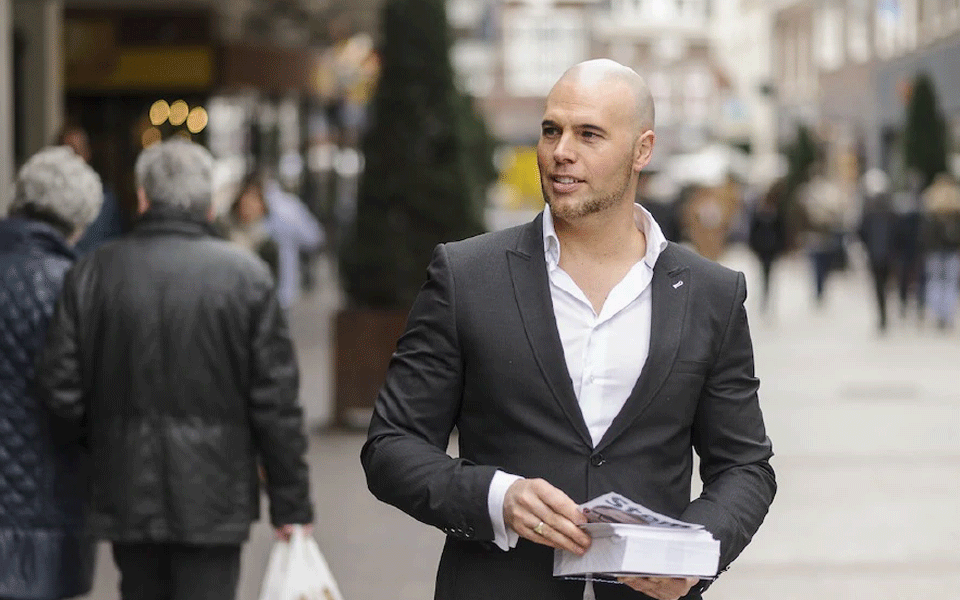
For years Joram van Klaveren fought a relentless campaign in the Lower House against Islam in the Netherlands -
The 40-year-old Van Klaveren said he had changed his mind halfway through writing an anti-Islam book
THE HAGUE: A Dutch former far-right MP and right-hand man of anti-Islam politician Geert Wilders has set tongues wagging in the Netherlands after revealing he has converted to Islam, news reports said Tuesday.
For years Joram van Klaveren fought a relentless campaign in the Lower House against Islam in the Netherlands as a lawmaker for Wilders’ Freedom Party (PVV).
At the time, the “hard-liner pleaded for banning the burqa and minarets, saying ‘we don’t want any Islam, or at least as little as possible in the Netherlands’,” the daily tabloid Algemeen Dagblad (AD) said.
But the 40-year-old Van Klaveren said he had changed his mind halfway through writing an anti-Islam book, which he Tuesday told the respected NRC daily “became a refutation of objections non-Muslims have” against the religion.
“If everything I wrote up to that point is true, and I believe that, then I am a de facto Muslim,” he told the NRC.
Van Klaveren converted to Islam on October 26 last year, the NRC added in the interview piece ahead of the release of Van Klaveren’s book titled: “Apostate: From Christianity to Islam in the Time of Secular Terror.”
The former politician who grew up in an orthodox Protestant Christian environment said of his conversion that he “has been searching for a long time.”
“It feels a bit like a religious homecoming for me,” he told Dutch newspapers.
Van Klaveren could not be immediately reached for comment on Tuesday.
“His conversion has surprised both friend and enemy,” the AD newspaper said.
Van Klaveren split with Wilders in 2014 after the PVV leader’s controversial comments that year when asking supporters whether they wanted “fewer or more Moroccans in your city and the Netherlands.”
Wilders in 2016 was found guilty on discrimination charges. The sentence is currently being appealed.
Van Klaveren then went on to form his own far-right party called “For Netherlands” (VNL) but left politics after failing to win a single seat in the 2017 elections.
“If this really isn’t a PR stunt to promote his book, then it really is an extraordinary choice for somebody who had a lot to say about Islam,” his former VNL co-founder Jan Roos told the AD.
“But we have religious freedom in the Netherlands. He can worship whomever he wants,” Roos added.
Said Bouharrou, who serves on the Board of Moroccan Mosques in the Netherlands, praised Van Klaveren.
“It is great when somebody who has been so critical of Islam... realizes that it is not so bad or perverse,” he told the AD.
“It is brave that he’s prepared to do it in public,” Bouharrou said.
Around five percent of the Dutch population of 17 million people or some 850,000 are Muslim, according to the Dutch Central Statistics Bureau (CBS).
But despite Wilders’ objections, the religion is growing, with experts expecting that number to double by 2050.
The Netherlands also last year introduced a partial burqa ban from some public places such as schools and hospitals, ending years of discussions on the hot-button issue.
Van Klaveren is not the first high-profile PVV member to convert to Islam, and follows in the footsteps of Arnoud van Doorn, a former Hague-based PVV city councillor who switched in 2013.
Courtesy: www.arabnews.com
Let the Truth be known. If you read VB and like VB, please be a VB Supporter and Help us deliver the Truth to one and all.
National Synodal Assembly 2026 begins in Bengaluru with over 220 delegates
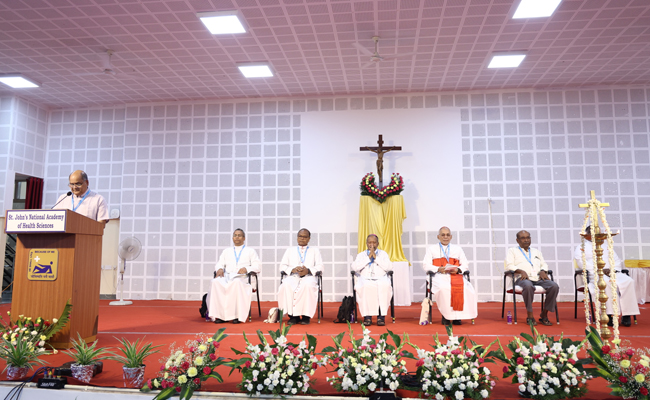
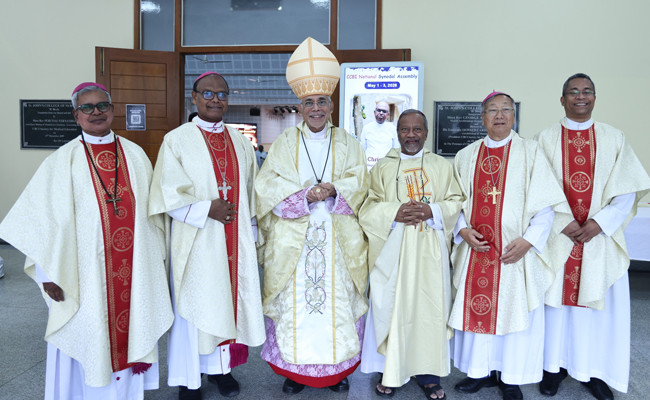
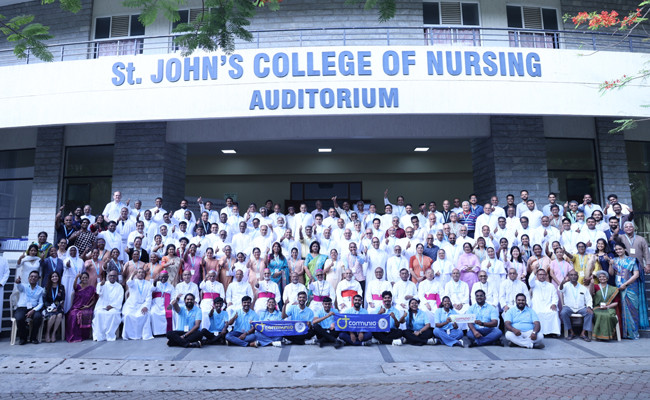
Bengaluru: The Conference of Catholic Bishops of India (CCBI) on May 1 inaugurated its National Synodal Assembly 2026 at St. John’s Medical College, bringing together more than 220 delegates from across the country under the theme Synodal Pilgrims of Hope.
The assembly is part of the global synodal process initiated in 2021 by Pope Francis, which calls for greater participation, dialogue and shared responsibility within the Church. In India, the process has involved consultations at diocesan, regional and national levels.
Participants at the assembly include two Cardinals, 25 Bishops, 65 priests, more than 20 women religious, and over 100 lay faithful, including youth and women leaders.
The gathering began with a Eucharistic celebration led by Filipe Neri Ferrão. In his homily, he described the assembly as a moment of grace and discernment and called on delegates to walk together in prayer, listening and missionary commitment.
He spoke about the importance of the Risen Christ in the mission of the Church and urged the faithful to be witnesses of the Gospel. Referring to the conversion of St Paul, he said every baptised person has a role in spreading the message of Christ. He also highlighted the example of St Joseph the Worker, stressing the dignity of labour and the call to holiness in everyday life.
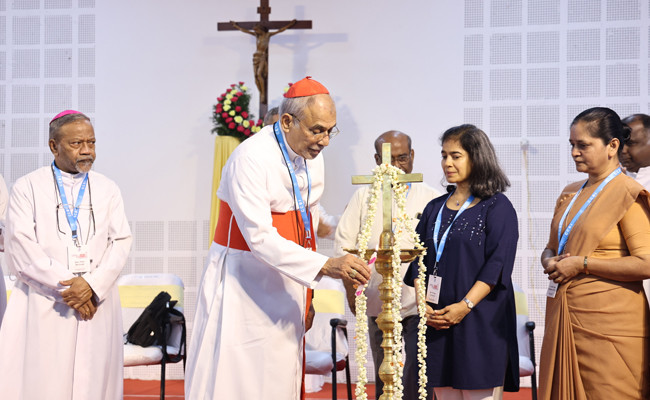
The formal inauguration included the invocation of the Holy Spirit through Veni Creator Spiritus and the lighting of the ceremonial lamp. Deputy Secretary General Fr. Stephen Alathara welcomed the delegates and described the gathering as a spiritual journey.
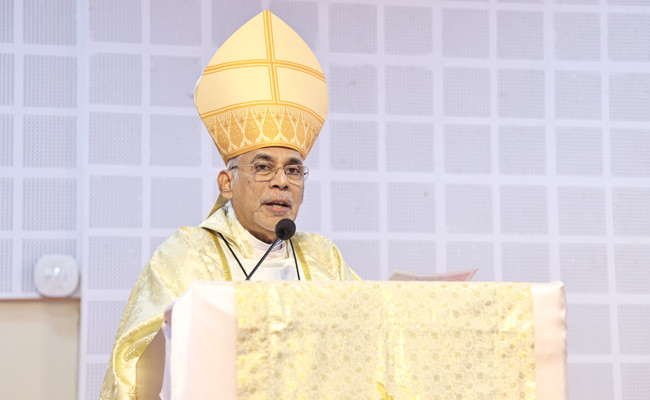
In his presidential address, Cardinal Ferrão referred to the CCBI pastoral plan titled Journeying Towards a Synodal Church: Mission 2033 and called on participants to build on the vision outlined at the 36th Plenary Assembly held in Bhubaneswar in 2025.
Delegates will reflect on four key themes identified from 16 pastoral priorities: interreligious dialogue and peacebuilding, inclusion of the excluded, poverty and integral ecology, and support for children and youth.
The discussions are being conducted through a method of spiritual conversation aimed at encouraging listening, dialogue and collective decision-making. The focus is on translating these discussions into practical actions within the Church.
The assembly also looks ahead to the Jubilee Year 2033, which will mark 2,000 years of the Redemption, and aims to strengthen the Church’s mission in the coming years.
Further consultations are scheduled for September 2026, with the process expected to conclude at the 38th Plenary Assembly of the CCBI in January 2027.
Organisers said the assembly seeks to strengthen unity within the Church and promote participation of all sections, including women and youth, in shaping its future direction.