India-US trade deal didn’t happen because Modi did not call Trump: Lutnick
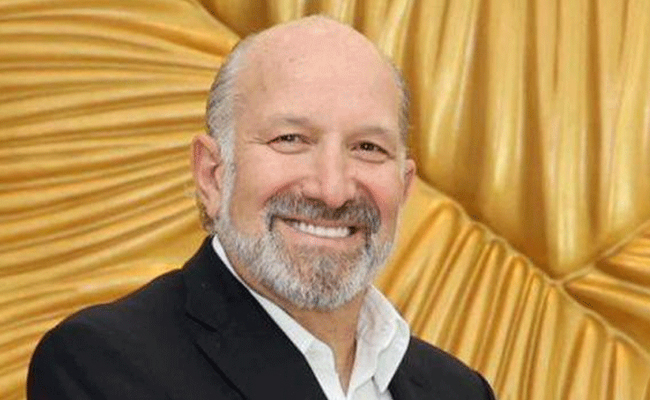
New York (PTI): US Commerce Secretary Howard Lutnick has said the trade deal with India did not happen because Prime Minister Narendra Modi did not call US President Donald Trump.
In an interview with the ‘All-in Podcast’ on Thursday, Lutnick detailed how the India-US trade deal has not happened till now.
“I'll tell you a story about India. I did the first deal with the UK, and we told the UK that they had to get it done by two Fridays from now. That the train was going to leave the station by two Fridays, because I have a lot of other countries doing things, and you know, if someone else is first, they're first. President Trump does deals like a staircase,” Lutnick said.
“(The) first stair gets the best deal. You can't get the best deal after the first guy,” he said.
Lutnick said Trump does things that way “because that way it incents you to come to the table”.
He recalled that after the UK deal, everyone asked Trump which country will be next and while the president talked about a variety of countries, “but he names India a couple of times publicly".
“And we were talking (with) India, and we told India, ‘you have three Fridays’. Well, they have to get it done,” he said.
Lutnick said that while he would negotiate the contracts with the countries and set the whole deal up, "But let's be clear, it's his (Trump) deal. He is the closer. He does the deal. So I said ‘You got to have Modi, it's all set up, you have to have Modi call the President. They (India) were uncomfortable doing it, so Modi didn't call.”
Lutnick said after that Friday, the US announced trade deals with Indonesia, the Philippines and Vietnam.
He added that Washington was negotiating with other countries and “assumed India was going to be done before them”.
“I have negotiated them at a higher rate. So now the problem is the deals came out at a higher rate. And then India calls back and says, ‘Oh, okay, we are ready’. I said, 'ready for what, it was like three weeks later’,” he said.
“I go, ‘Are you ready for the train that left the station three weeks ago?’ So what happened is they just…there's sometimes there's that seesaw, and people are just on the wrong side of the seesaw,” the trade secretary said.
"So what happened is India just was on the wrong side of the seesaw, and it was just they couldn't get it done,” Lutnick said, imitating a seesaw with his hands.
“And so what happened is all these other countries kept doing deals, and they're (India) just further in the back of the line,” he said.
Lutnick said he wanted the trade deal with India to happen “in between the UK and Vietnam because that's what I negotiate”.
“And they remember, and I remember, and they say, ‘but you agreed’. And I said, ‘then, not now, then’. So that's the problem. India will work it out, but there's a lot of countries and they each have their own deep internal politics, and to get something approved by their parliament… these are deeply complex things,” he added.
Lutnick’s remarks came a few days after Trump said that Modi knew he was unhappy with India's purchases of Russian oil and that Washington could raise tariffs on New Delhi "very quickly".
The threat by the US president came at a time when the two countries were negotiating a bilateral trade agreement.
So far, six rounds of negotiations have been held for that. The pact includes a framework deal to resolve the 50 per cent tariffs on Indian goods entering the US.
Let the Truth be known. If you read VB and like VB, please be a VB Supporter and Help us deliver the Truth to one and all.
Remarks against St Francis Xavier: Right-wing speaker Gautam Khattar gets bail
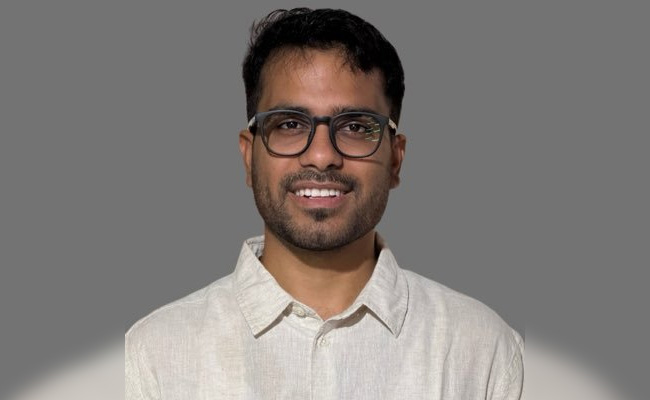
Panaji (PTI): A court in Goa on Saturday granted bail to right-wing speaker Gautam Khattar, who was arrested after he allegedly made derogatory comments against St Francis Xavier.
Judicial Magistrate First Class, Vasco, granted regular bail to Khattar, currently admitted to Goa Medical College and Hospital at Bambolim for treatment of chest pain after he was shifted from the District Hospital in Mapusa two days back.
A row erupted after a video of remarks by Khattar, the founder of Sanatan Mahasangh, at an event on April 18 in the presence of Swami Brahmeshanand, State Transport Minister Mauvin Godinho and BJP MLAs Sankulp Amonkar and Daji (Krishna) Salkar, went viral.
St Francis Xavier is revered as the patron saint of Goa.
The controversial remarks led to the Vasco Police registering an FIR against Khattar on charges of hurting religious sentiments and creating enmity between groups.
He was detained in Kullu, Himachal Pradesh, by local police. His custody was later handed over to the Goa Crime Branch, according to officials.