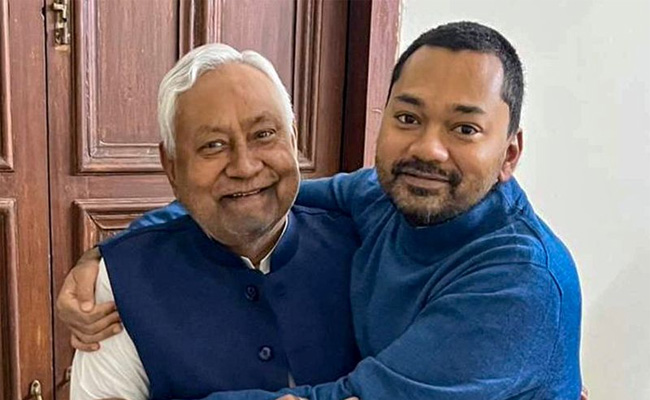
Indian techie Mohammed Nizamuddin shot dead by US police after allegations of racial harassment
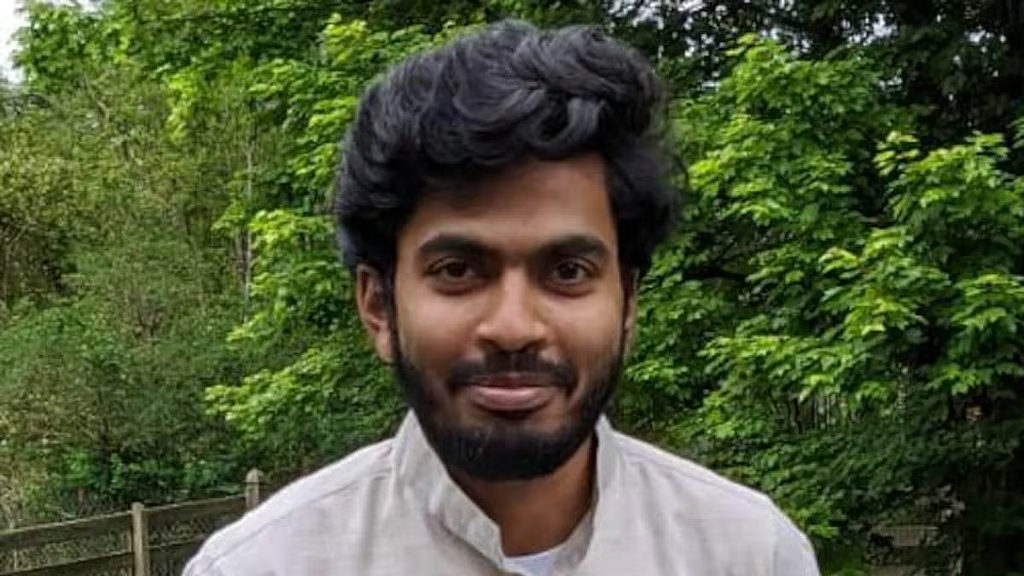
California: Mohammed Nizamuddin, a 30-year-old software engineer from Mahabubnagar, Telangana, was shot dead by police in Santa Clara, California, on September 3. The incident followed an alleged stabbing involving his roommate, who sustained multiple injuries. Authorities have confirmed that an investigation is underway.
In the days leading up to his death, Nizamuddin had spoken out on LinkedIn about what he described as racial discrimination, harassment, wage fraud, and wrongful termination in the United States. He alleged that his former employer had underpaid and wrongfully dismissed him, after which he faced escalating harassment. He further claimed that his food had been poisoned and that he was being forced out of his accommodation.
“Enough is enough, white supremacy/racist white American mentality has to end. Oppression of corporate tyrants must end and everyone involved in it must be punished severely,” he wrote in his last post.
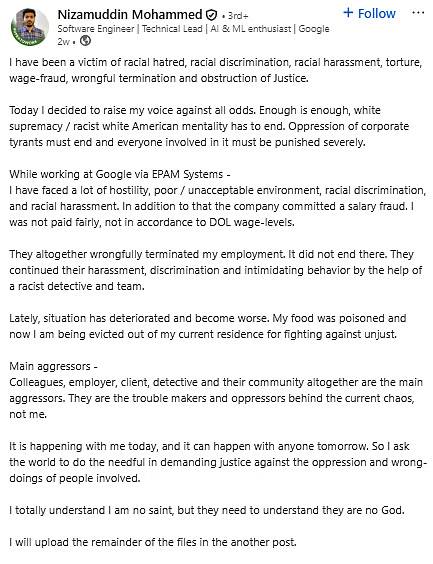
Nizamuddin held a Master’s degree in Computer Science from a Florida college and had previously worked at Google through EPAM Systems. His family described him as a quiet and religious person who had consistently raised concerns about racial harassment and workplace injustices.
The Indian Ministry of External Affairs is assisting with the repatriation of his body, which is currently at a hospital in Santa Clara. His family has demanded a thorough inquiry, alleging racial discrimination in the events leading to his death.
VIDEO | Telangana: 30-year-old Mohammed Nizamuddin from Mahabubnagar dies in the US after being allegedly being shot by police following a reported scuffle. Family seeks MEA’s help to bring back his mortal remains. Visuals from his residence.#US #Telangana
— Press Trust of India (@PTI_News) September 19, 2025
(Full video… pic.twitter.com/aV0zoFsyHQ
Let the Truth be known. If you read VB and like VB, please be a VB Supporter and Help us deliver the Truth to one and all.
SC to hear on May 4 PIL seeking stringent guidelines for issuing Aadhaar to adolescents, adults
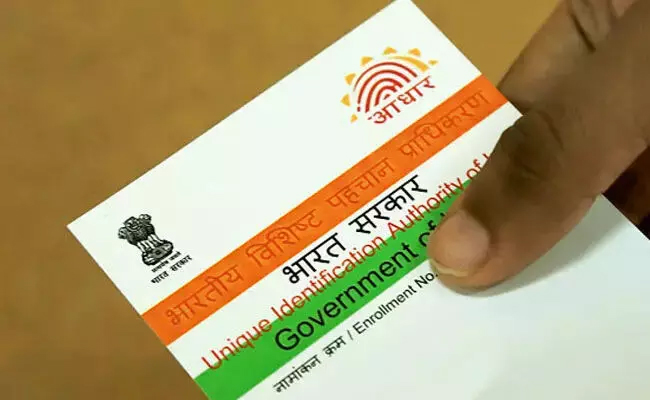
New Delhi (PTI): The Supreme Court is scheduled to hear on Monday a plea seeking a direction to the Unique Identification Authority of India to issue new Aadhaar cards only to citizens up to the age of six years, and frame stringent guidelines for its issuance to adolescents and adults to stop infiltrators from masquerading as Indian citizens.
As per the apex court's causelist of May 4, the plea would come up for hearing before a bench of Chief Justice Surya Kant and Justice Joymalya Bagchi.
The Public Interest Litigation (PIL) filed by lawyer Ashwini Upadhyay has also sought a direction to the authorities to install display boards at common service centres stating that the 12-digit unique identification number is only a "proof of identity" and not a proof of citizenship, address or date of birth.
Besides all the states and Union Territories, the plea has made the UIDAI -- which is the authority that issues Aadhaar -- and the Union ministries of home, law and justice, and electronics and information technology as parties.
The plea, filed through advocate Ashwani Dubey, said Aadhaar, originally intended as a proof of identity, has increasingly become a "foundational document" enabling individuals to obtain other identification documents, such as ration cards, domicile certificates and voter identity cards.
"The UIDAI has issued 144 crore Aadhaar and 99 percent Indians have been enrolled. Therefore, the petitioner is filing this writ petition as a PIL under Article 32, seeking a direction to UIDAI to issue new Aadhaar to children only and frame new stringent guidelines for adolescents and adults, so as to stop infiltrators from getting it and masquerading as Indian citizens," the plea said.
It said the need to file the plea arose when the petitioner came to know the manner in which infiltrators are able to procure Aadhaar through a verification process that is weak and can be easily manipulated.
"Foreigners apply for Aadhaar under the 'foreign' category. But infiltrators apply for Aadhaar under the 'Indian citizen' category and get it easily made. Thereafter, they obtain a ration card, birth and domicile certificate, driving licence, et cetera, essentially becoming indistinguishable from Indian citizens…," it said.
Besides seeking other directions, the plea has raised legal questions, including whether the Aadhaar Act 2016 has become "temporally unreasonable" for failing to keep up with the legislative intent of distinguishing foreigners from Indian citizens.
It said the alleged misuse of Aadhaar undermines targeted welfare delivery and leads to diversion of public resources.