Iran hit by nationwide internet blackout as economic protests intensify
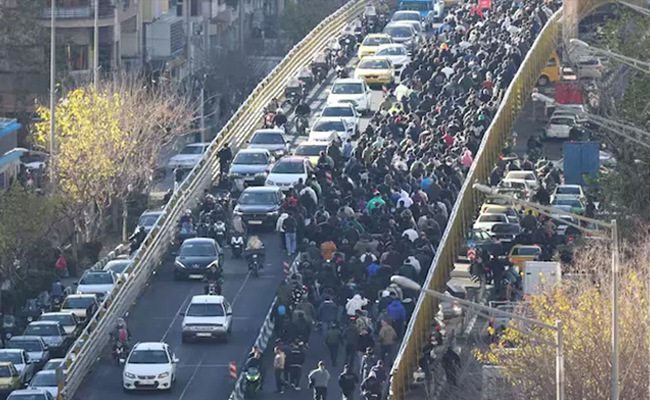
Tehran: Iran experienced a nationwide internet blackout on Thursday due to protests over a deepening economic crisis, according to online monitoring group NetBlocks. The group said the disruption followed a series of escalating digital restrictions intented to curb protests and limited public communication at a critical moment.
Demonstrations have spread across several Iranian cities since late December, driven by anger over rising living costs and devaluation of the national currency. The unrest resulted in at least 21 people reported killed since the protests began, according to figures compiled by AFP based on local media and official statements.
ALSO READ: 'Bhrasht Janata Party': Rahul slams BJP's double engine govts in various states
Reporting from Tehran early on Friday, Al Jazeera correspondent Tohid Asadi said thousands of people gathered across multiple neighbourhoods of the capital from around 8 pm local time on Thursday. He said several streets were blocked and clashes erupted between protesters and police, with chants and slogans directed against the political establishment echoing through parts of the city. Asadi noted that economic pressure had eroded public confidence, particularly among working and lower middle-class families struggling to meet daily expenses.
Iranian authorities have issued mixed signals in response to the unrest. President Masoud Pezeshkian has urged restraint in handling the protests, while Supreme Leader Ayatollah Ali Khamenei earlier this week said rioters must be “put in their place”. Chief Justice Gholam-Hossein Mohseni-Ejei accused demonstrators of acting in coordination with the United States and Israel and warned that there would be no leniency for those accused of creating insecurity.
International concern has also mounted. United Nations Secretary-General Antonio Guterres has called for steps to prevent further loss of life and urged Iranian authorities to uphold the rights to freedom of expression, association and peaceful assembly. His spokesperson said individuals must be allowed to protest peacefully and voice their grievances.
Human rights group Amnesty International said on Tuesday that security forces raided Imam Khomeini Hospital in the western city of Ilam, firing tear gas, damaging property and assaulting people inside, while attempting to detain injured protesters. The organisation called on Iranian authorities to halt the unlawful use of force, stop arbitrary arrests in hospitals, ensure medical care for the injured and respect the neutrality of healthcare facilities.
Let the Truth be known. If you read VB and like VB, please be a VB Supporter and Help us deliver the Truth to one and all.
Remarks against St Francis Xavier: Right-wing speaker Gautam Khattar gets bail
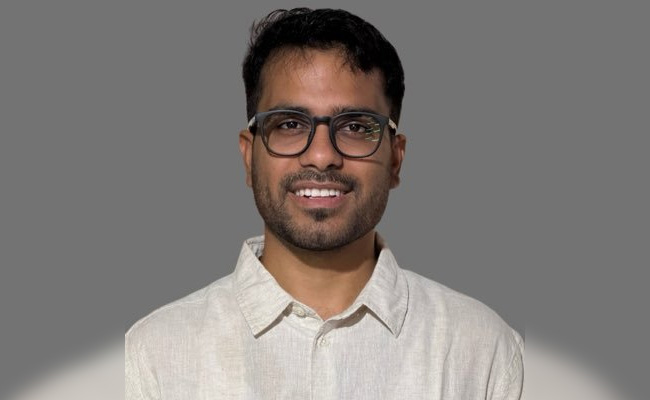
Panaji (PTI): A court in Goa on Saturday granted bail to right-wing speaker Gautam Khattar, who was arrested after he allegedly made derogatory comments against St Francis Xavier.
Judicial Magistrate First Class, Vasco, granted regular bail to Khattar, currently admitted to Goa Medical College and Hospital at Bambolim for treatment of chest pain after he was shifted from the District Hospital in Mapusa two days back.
A row erupted after a video of remarks by Khattar, the founder of Sanatan Mahasangh, at an event on April 18 in the presence of Swami Brahmeshanand, State Transport Minister Mauvin Godinho and BJP MLAs Sankulp Amonkar and Daji (Krishna) Salkar, went viral.
St Francis Xavier is revered as the patron saint of Goa.
The controversial remarks led to the Vasco Police registering an FIR against Khattar on charges of hurting religious sentiments and creating enmity between groups.
He was detained in Kullu, Himachal Pradesh, by local police. His custody was later handed over to the Goa Crime Branch, according to officials.