Israel urges Lebanon to cooperate in order to dismantle Iran-backed Hezbollah
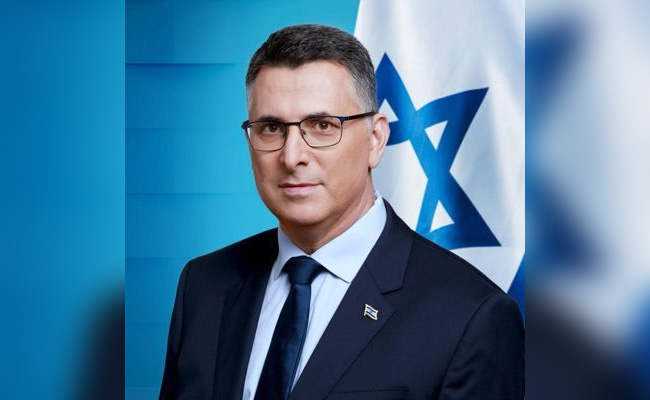
Jerusalem (AP): Israeli Foreign Minister Gideon Saar called on Lebanon to work with Israel to disarm the Iranian-backed militant group Hezbollah ahead of negotiations in Washington on Thursday.
The meeting follows a similar gathering last week in Washington, and is the first time in decades the two countries are speaking directly.
“We don't have any serious disagreements with Lebanon. There are a few minor border disputes that can be solved,” Saar said during Independence Day remarks to Israel's diplomatic corps.
“The obstacle to peace and normalisation between the countries is one: Hezbollah,” he said, adding that Lebanon could have “a future of sovereignty, independence and freedom from the Iranian occupation”.
Israel's military has currently established a buffer zone stretching around 10 km (6 miles) into southern Lebanon to remove the threat of short-range rockets and anti-tank missiles toward northern Israel.
Let the Truth be known. If you read VB and like VB, please be a VB Supporter and Help us deliver the Truth to one and all.
Paraguay to accept US-deported migrants under third-country arrangement
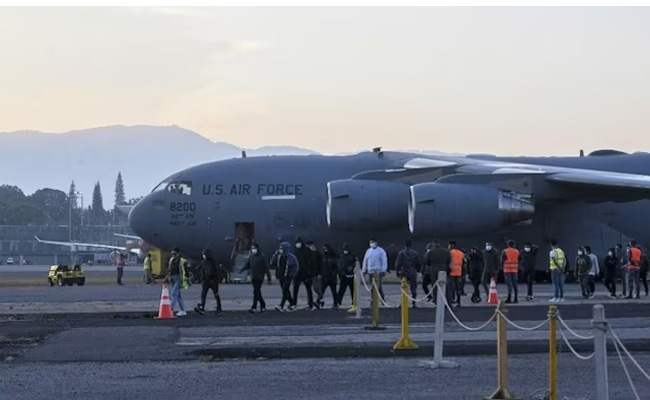
Asunció: Paraguay has agreed to receive a group of non-citizens expelled from the United States, joining a growing list of countries participating in “third-country” deportation arrangements under the administration of Donald Trump.
In a statement issued on Tuesday, the Foreign Ministry of Paraguay said an initial batch of 25 Spanish-speaking deportees would arrive beginning Thursday. It added that each case had been assessed individually in accordance with domestic laws and international legal standards.
The arrangement allows the United States to send migrants to countries with which they may have no prior connection. Officials described the move as consistent with cooperation between the two countries, with US Embassy representative Robert Alter calling it a reflection of bilateral ties.
Washington has been engaging multiple nations for similar agreements. Countries including Costa Rica, El Salvador, Democratic Republic of the Congo, Eswatini and South Sudan have accepted deportees, in some cases under financial arrangements.
According to estimates by US lawmakers, more than $40 million has been allocated to foreign governments as part of such agreements. Officials have maintained that individuals sent under these arrangements do not have pending asylum claims. The process is intended to facilitate their eventual return to their countries of origin.
Critics argue that deportations to conflict-affected regions could place individuals at risk and have described the policy as coercive.
Recent deportations to the Democratic Republic of the Congo, despite advisories citing civil unrest, have intensified scrutiny. Similar concerns have been voiced over transfers to South Sudan, where ongoing conflict has created a severe humanitarian situation.