Ivanka disagrees with Trump on family separation, treatment of media
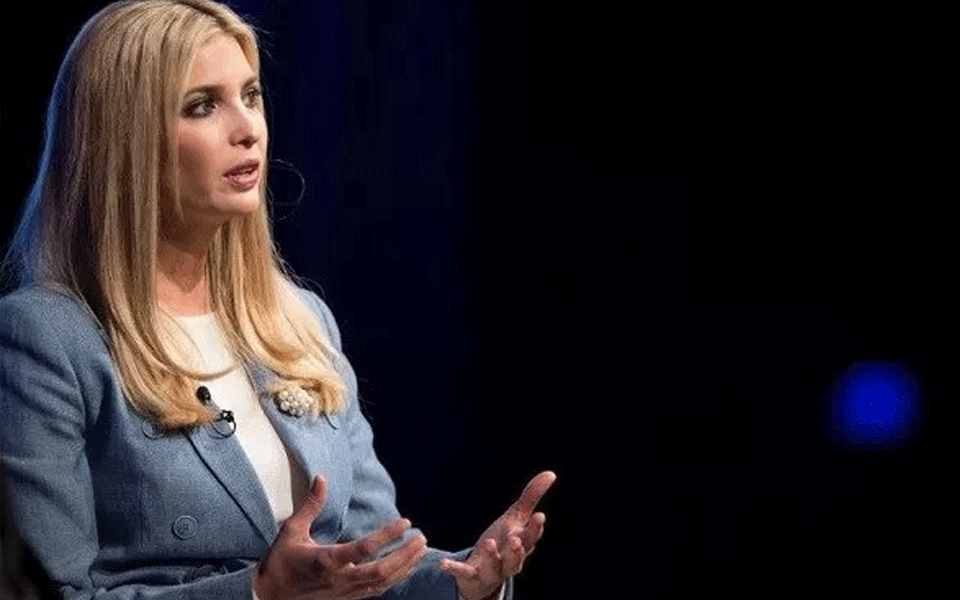
Washington, Aug 3: Ivanka Trump, the daughter of and close adviser to President Donald Trump, on Thursday disagreed with some of the most controversial decisions of her father, including family separation for illegal migrants and his regular attacks on the media, which he calls the "enemy of the people".
"I am very vehemently against family separation and the separation of parents and children," Ivanka said in an interview with C-SPAN when asked about the matter, Efe reported.
Ivanka said that the "zero tolerance" policy adopted by the US government in April, which includes separating parents and children who were apprehended after entering the US illegally over the US-Mexican border, has brought the administration to a "low point".
Nevertheless, the president's oldest child acknowledged that the issue of immigration is a "complex" matter and defended the importance of migrant parents respecting the prevailing laws for the good of their children.
She said that her mother, Ivana Trump, grew up in communist Czechoslovakia and came to this country legally, adding that people need to be very careful not to foster or encourage behavior that puts young children in danger or exposes them to people trafficking.
Ivanka also said she was against the treatment her father - and part of the government - has given to many media outlets, which he frequently refers to as disseminating "fake news" and has dubbed the "enemy of the people."
"I've certainly received my fair share of reporting on me personally that I know not to be fully accurate," Trump told the hosts. "So I've ... had some sensitivity around why people have concerns and gripe, especially when they sort of feel targeted."
"These are not easy issues. These are incredibly difficult issues," she said. "I experience them in a very emotional way."
Let the Truth be known. If you read VB and like VB, please be a VB Supporter and Help us deliver the Truth to one and all.
Austrian police detain suspect in case of rat poison found in baby food jars on supermarket shelves
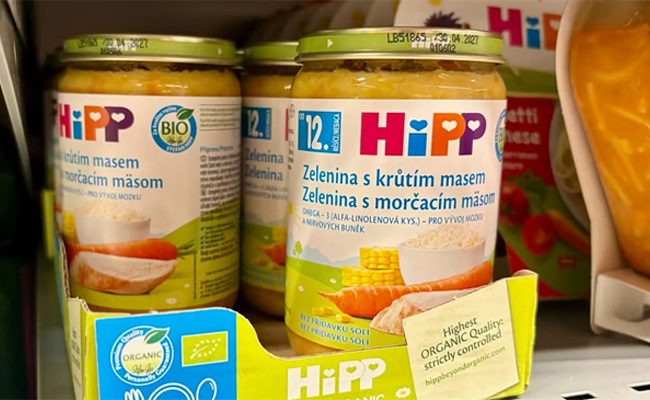
Vienna (AP): Police in eastern Austria say a 39-year-old suspect has been arrested after rat poison turned up in some HiPP baby food jars on supermarket shelves in central Europe.
HiPP, which recalled some of its baby food jars in Austria, Slovakia and the Czech Republic after the case came to light last month, said in a statement Saturday it was “greatly relieved” by the arrest, and would provide further updates as verified details come in.
The Burgenland State Criminal Police Office, under the direction of prosecutors, said a probe was launched after poison turned up in a baby food jar purchased at a supermarket in the city of Eisenstadt on April 18.
It said the suspect was being questioned, and that no further details would be immediately provided. The Burgenland public prosecutor's office has announced an investigation into suspected “intentional endangerment of the public.”
The Austrian Press Agency reported that an expert report on the toxicity of the poison was pending. A total of five tampered baby food jars were seized before they could be consumed, APA reported.
Authorities said previously they believe the tampering occurred in 190-gram (6.7-ounce) jars of baby food made with carrots and potatoes for 5-month-olds that were sold from SPAR supermarkets in Austria.
HiPP responded by recalling all of its baby food jars sold at SPAR supermarkets — which include SPAR, EUROSPAR, INTERSPAR and Maximarkt stores — in Austria as a precaution. Vendors in Slovakia and the Czech Republic also removed all of the brand's baby jars from sale.
The company said the recall was not due to any product or quality defect on its part, and said the jars left its facility in “perfect condition.”
Police said a customer at the time of the discovery had reported that a jar appeared to have been tampered with, but no one had consumed the baby food.