NZ temporarily suspends travel from India to combat surge in COVID-19 infected travellers: PM Ardern
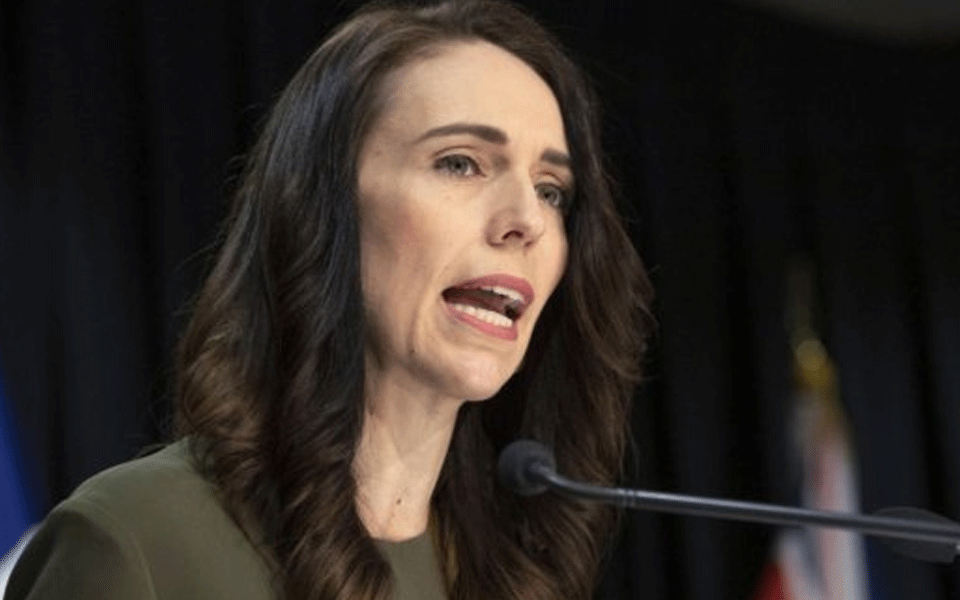
Melbourne/Wellington: Prime Minister Jacinda Ardern on Thursday announced that New Zealand will temporarily suspend the entry for all travellers, including its citizens, from India for about two weeks from April 11 due to a surge in COVID-19 cases among visitors to this country.
The ban will begin on Sunday and will remain in place until April 28, she said.
While arrivals from India had triggered the risk assessment, Prime Minister Ardern said the Government would be looking at risks posed by other COVID-19 hotspot countries, the New Zealand Herald reported.
The travel restriction comes after New Zealand recorded 23 new positive coronavirus cases in managed isolation on Thursday, of which 17 came from India, the report added.
"This is not a permanent arrangement but rather a temporary measure," Ardern said, adding that the temporary hold would also help reduce the risk that travellers themselves faced.
The ban covers all travellers, including New Zealand citizens and permanent residents.
While there have been previous travel bans on travellers from some countries, New Zealand has never suspended travel to New Zealand citizens and residents, Ardern said, adding that she absolutely understands the difficulty that this temporary suspension will cause for Kiwis in India.
But I also feel a sense of responsibility and obligation to find ways to reduce risks that travellers are experiencing, she said. Health teams would use the time until April 28 to try and plan safer ways to accept travellers from India.
But there were no guarantees officials would come up with a better solution, she said.
"We haven't identified anything obvious ... but we have to try and do better," Ardern said.
She wanted to look at the quality of a polymerase chain reaction (PCR) COVID-19 testing in other countries and whether tests were being taken in the 72 hours before departure.
New Zealand has not reported any community transmission locally for about 40 days.
COVID-19 cases were spiking again, particularly in India and Brazil, and New Zealand was not immune, Ardern said.
The government had been reviewing its border settings in recent weeks, Ardern said, adding that ultimately New Zealand wanted to see fewer cases arriving in the country.
COVID-19 cases in India hit a record high. India recorded 1,12,389 new cases on Wednesday, according to a PTI tally, taking the overall count to 1,29,14,174. The single-day rise in coronavirus cases breached the one-lakh mark for the third time in four days. India saw a record daily rise on Tuesday, with over 1.15 lakh new infections.
Let the Truth be known. If you read VB and like VB, please be a VB Supporter and Help us deliver the Truth to one and all.
Allahabad HC orders probe into 'reinstatement' of teacher in UP's Barabanki
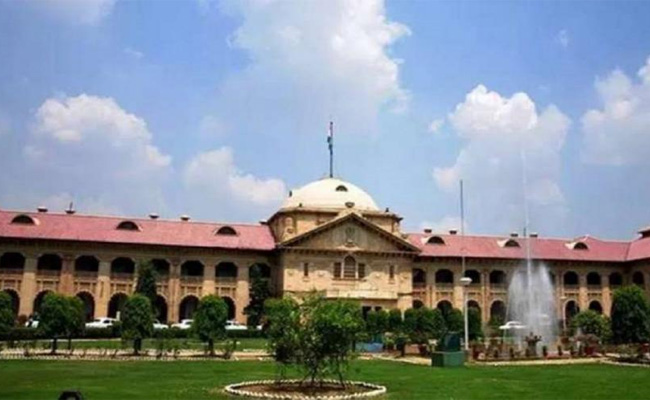
Lucknow (PTI): The Lucknow Bench of the Allahabad High Court on Friday ordered a probe by the special task force (STF) into alleged irregularities in the rejoining of a teacher at City Intermediate College in Barabanki, observing that the reinstatement appeared to be prima facie illegal.
The court also directed the recovery of the salary paid to the teacher during the disputed period.
A bench of Justice Rajeev Singh passed the order on a petition filed by the college management committee. The court expressed doubts over the roles of the District Inspector of Schools (DIOS), Barabanki, the college principal and the teacher concerned and hence, directed a detailed inquiry into the matter.
Taking note of alleged manipulation of records and misleading submissions, the court ordered the immediate transfer of the Barabanki DIOS to ensure a fair probe. It also directed the initiation of disciplinary proceedings against the then joint director of education of the Ayodhya division.
In its order, the court found that the teacher, Abhay Kumar, was initially appointed as an assistant teacher in 2018 but joined an Eklavya Model Residential School in Chhattisgarh as a lecturer in June 2024 without obtaining permission from the management. His subsequent request to retain the lien was rejected.
Despite this, he was allowed to rejoin the Barabanki College in September 2025 on the directions of the joint director of education and the DIOS, and was even paid the salary for October 2025. The court termed the rejoining "wholly illegal" and lacking any legal basis.
The bench also expressed concern over lapses in communication within the education department and directed the Uttar Pradesh chief secretary to ensure that official orders are communicated through email and WhatsApp as well, to prevent disputes.
The matter is next listed for hearing on May 28 when a compliance report is sought.