Pakistan, Afghanistan border closure extends into second day after deadly clashes
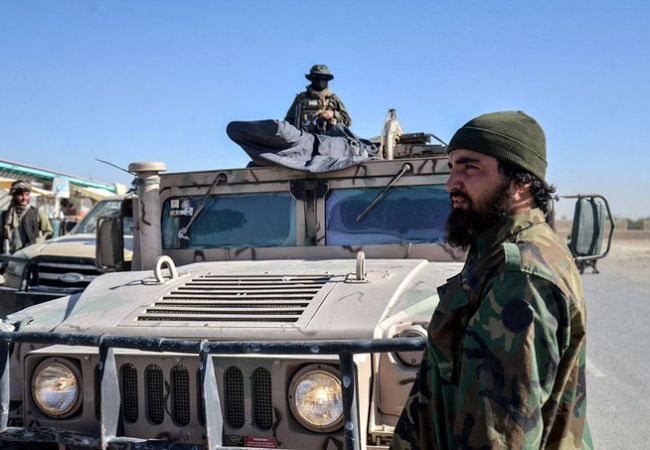
Peshawar (AP): The closure of border crossings for bilateral trade between Afghanistan and Pakistan entered a second day Monday after deadly weekend clashes between the countries spiked tensions and left hundreds of people stranded, officials said.
The fighting began Saturday night, when Afghan forces struck multiple Pakistani military posts. Afghanistan officials claimed to have killed 58 Pakistani soldiers in response to what they said were repeated violations of Afghan territory and airspace.
Pakistan's military gave lower figures, saying it lost 23 soldiers and killed more than 200 “Taliban and affiliated terrorists” during retaliatory fire along the border. Foreign governments, including Saudi Arabia, urged restraint. A ceasefire appeared to be holding.
Pakistan's Defence Minister Khawaja Mohammad Asif, the country's powerful army chief Field Marshal Asim Munir, and other officials attended a mass funeral for the killed soldiers in the garrison city of Rawalpindi on Monday, according to a military statement.
Asif said the people of Pakistan were "indebted to the ultimate sacrifice of these heroes who laid down their lives while defending the territorial integrity of Pakistan against the cowardly and treacherous aggression of the Taliban regime and Indian sponsored terrorist proxies operating from inside Afghan soil,” according to the statement.
The statement also quoted him as saying that the “armed forces of Pakistan remain resolute to thwart any aggression and conspiracy against Pakistan with full support of the nation."
Authorities said no new exchange of fire had been reported since Sunday along the 2,611-kilometre long border known as the Durand Line, which Afghanistan has never recognised.
In Afghanistan, Abidullah Uqab, a spokesperson for the border police, confirmed that all the border crossings with Pakistan remained shut for trade and movement of people on Monday.
It was not clear when the border might reopen.
Though the southwestern Chaman border crossing was closed for trade, authorities briefly allowed about 1,500 Afghan nationals stranded there since Sunday to return home on foot, government officer Imtiaz Ali said.
A key northwestern crossing in Torkham, Pakistan, remained closed Monday to all travel and trade. The closure was confirmed by Mujib Ullah, a representative for local traders.
Afghan refugees, including many who were waiting to leave Pakistan because of a crackdown on foreigners living in the country illegally, said they had been waiting at the Torkham crossing since Sunday.
Gul Rahman, a refugee, said he waited through Sunday at Torkham before returning with his family to the northwestern city of Peshawar.
“Hundreds of others people like me have moved to nearby areas or coming back to Peshawar,” he said, adding that he will wait there for Torkham to reopen.
Tensions have been high since last week when Afghanistan's Taliban government accused Pakistan of carrying out airstrikes in the Afghan capital Kabul and in a market in eastern Afghanistan. Pakistan did not claim responsibility.
Pakistan's government in Islamabad has previously launched strikes inside Afghanistan targeting what it says are militant hideouts. The countries have skirmished along the border in the past, but the latest fighting has been the deadliest so far and underscored their deepening hostility.
Pakistan has long accused Kabul of sheltering members of the banned Pakistani Taliban, known as Tehreek-i-Taliban Pakistan, or TTP, which Islamabad blames for deadly attacks inside the country. Kabul denies the allegation, saying it does not allow its territory to be used against other nations.
Let the Truth be known. If you read VB and like VB, please be a VB Supporter and Help us deliver the Truth to one and all.
4 workers die after being buried under coal slurry in Jharkhand's Dhanbad
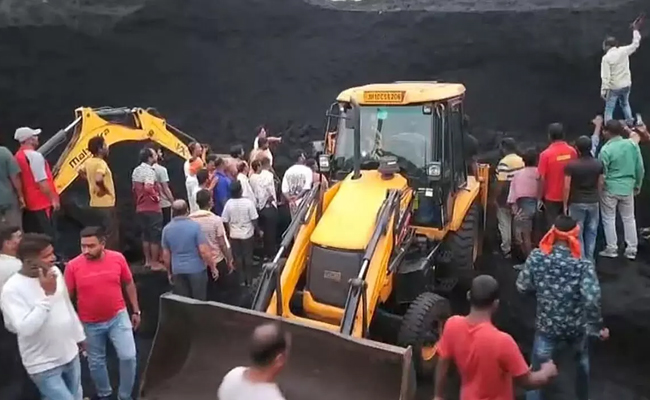
Dhanbad (Jharkhand) (PTI): At least four workers died after being buried under coal slurry in Jharkhand's Dhanbad district on Saturday, a police official said.
The incident took place at Moonidih coal washery in the command area of Bharat Coking Coal Limited (BCCL).
"Bodies of all four workers were dug out of debris during a rescue operation," Putki police station in-charge Waqar Hussain told PTI.
The incident took place when coal slurry was being loaded into trucks by workers, during which a large chunk of slurry fell and trapped several workers underneath, officials said.
The deceased have been identified as Manik Bauri, Dinesh Bauri, Deepak Bauri, and Hemlal Gope.
Meanwhile, the family members of the deceased and local villagers placed the bodies in front of the washery gate and began a protest.
They demanded compensation, jobs for dependents and action against those responsible for the incident.
Police and administration officials are trying to pacify the protesters, an official said.