Rescue underway for around 1,000 climbers stranded on Tibetan side of Mt Everest after blizzard
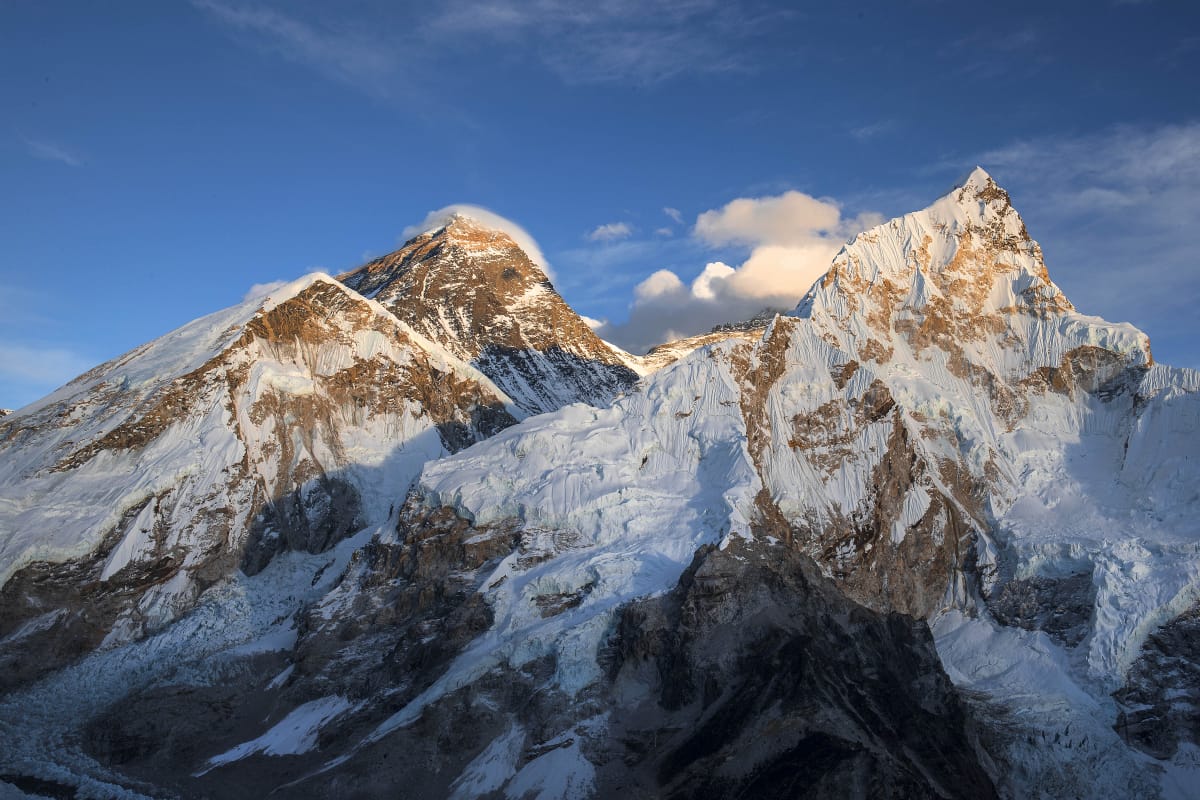
Beijing (PTI): Rescue efforts were underway on Sunday in the remote Tibetan slopes of Mount Everest where a blizzard has trapped nearly 1,000 people in campsites on the eastern side of the world's tallest mountain.
Hundreds of local villagers and rescue teams have been deployed to clear out snow blocking access to the area which sits at an altitude of more than 4,900 metres.
Some tourists have already been rescued, BBC reported, quoting local media.
Heavy snowfall began on Friday evening and has intensified on the eastern slopes of Mount Everest in Tibet, which is an area popular with climbers and hikers.
Neighbouring Nepal too has been battered by heavy rains which triggered landslides and flash floods resulting in the death of 52 people.
Mt Everest, called Mt Qomolangma in China, is the world's highest peak at over 8,849 metres.
Meanwhile, Typhoon Matmo, the 21st named storm of the 2025 Pacific typhoon season, made landfall along the eastern coast of Xuwen County, Zhanjiang City in south China's Guangdong Province on Sunday.
The local governments evacuated about 347,000 people from the southern provinces of Guangdong and Hainan ahead of the approaching typhoon which had maximum speeds of 151 kmph.
Let the Truth be known. If you read VB and like VB, please be a VB Supporter and Help us deliver the Truth to one and all.
4 workers die after being buried under coal slurry in Jharkhand's Dhanbad
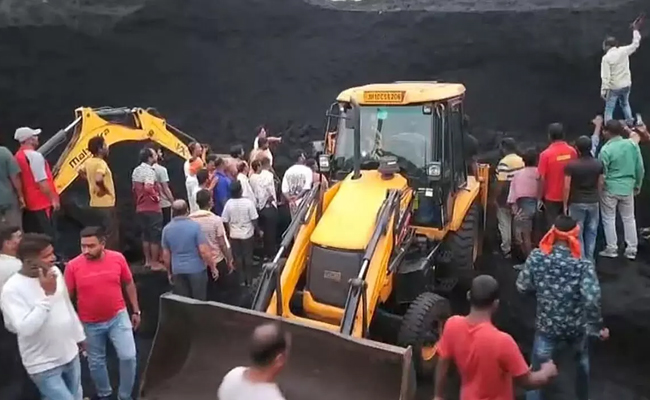
Dhanbad (Jharkhand) (PTI): At least four workers died after being buried under coal slurry in Jharkhand's Dhanbad district on Saturday, a police official said.
The incident took place at Moonidih coal washery in the command area of Bharat Coking Coal Limited (BCCL).
"Bodies of all four workers were dug out of debris during a rescue operation," Putki police station in-charge Waqar Hussain told PTI.
The incident took place when coal slurry was being loaded into trucks by workers, during which a large chunk of slurry fell and trapped several workers underneath, officials said.
The deceased have been identified as Manik Bauri, Dinesh Bauri, Deepak Bauri, and Hemlal Gope.
Meanwhile, the family members of the deceased and local villagers placed the bodies in front of the washery gate and began a protest.
They demanded compensation, jobs for dependents and action against those responsible for the incident.
Police and administration officials are trying to pacify the protesters, an official said.