Russian airstrikes cause damage across Ukraine's capital, injure at least nine
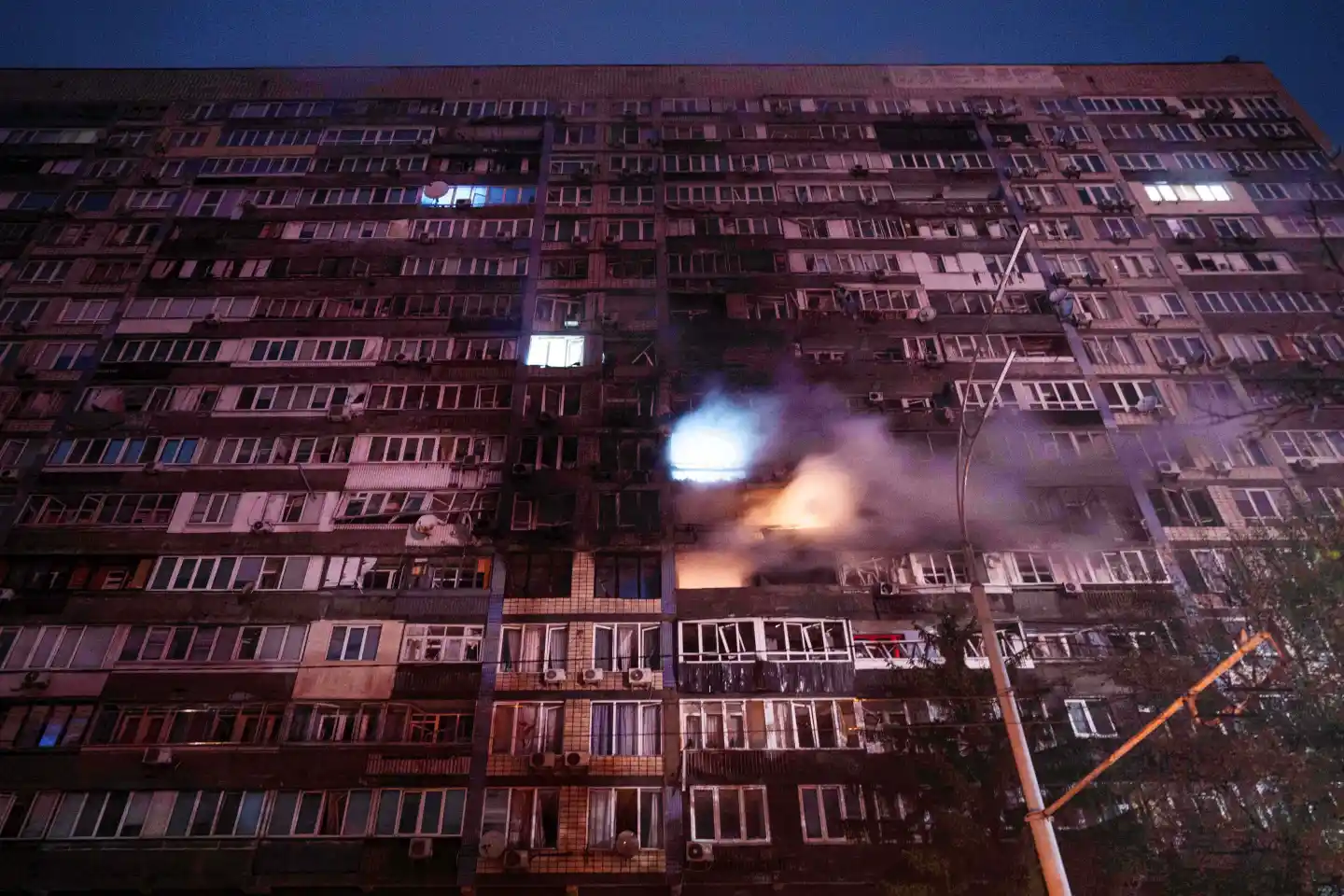
Kyiv (AP): Russian airstrikes injured at least nine people, damaged residential buildings and caused blackouts across parts of the Ukrainian capital early Friday, authorities said.
Rescue crews pulled more than 20 people out of a 17-storey apartment building as flames engulfed the sixth and seventh floors.
Five people were hospitalised, while others received first aid at the scene, authorities said. The overnight assault marked the latest in a series of attacks on Kyiv. Russian forces have escalated drone and missile strikes on Ukrainian cities in recent months, often targeting energy infrastructure and civilian areas.
Kyiv Mayor Vitali Klitschko said Friday's attack knocked out power on both sides of the city divided by the Dnipro River and disrupted water supplies.
Let the Truth be known. If you read VB and like VB, please be a VB Supporter and Help us deliver the Truth to one and all.
4 workers die after being buried under coal slurry in Jharkhand's Dhanbad

Dhanbad (Jharkhand) (PTI): At least four workers died after being buried under coal slurry in Jharkhand's Dhanbad district on Saturday, a police official said.
The incident took place at Moonidih coal washery in the command area of Bharat Coking Coal Limited (BCCL).
"Bodies of all four workers were dug out of debris during a rescue operation," Putki police station in-charge Waqar Hussain told PTI.
The incident took place when coal slurry was being loaded into trucks by workers, during which a large chunk of slurry fell and trapped several workers underneath, officials said.
The deceased have been identified as Manik Bauri, Dinesh Bauri, Deepak Bauri, and Hemlal Gope.
Meanwhile, the family members of the deceased and local villagers placed the bodies in front of the washery gate and began a protest.
They demanded compensation, jobs for dependents and action against those responsible for the incident.
Police and administration officials are trying to pacify the protesters, an official said.