Trump mistaken that Apple building new plants in US
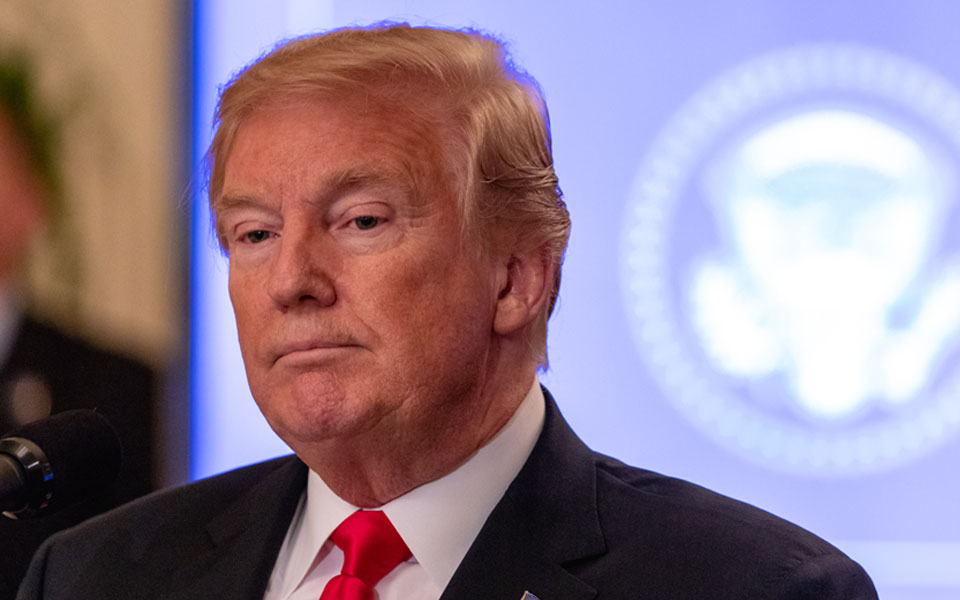
Washington, July 28 : The US President Donald Trump has once again incorrectly claimed that Cupertino-based tech giant Apple is planning to build new manufacturing plants in the country.
During a speech at the White House on Friday that focused on the state of US economy, Trump said: "Apple alone is bringing in $230 billion and they're building new plants, they're building a magnificent campus, they're gonna be spending their money very wisely, but they're spending it in our country, not in some other country".
"That was made possible by the new tax cut and reform plan," he added.
In January 2017, Trump said he spoke to Apple CEO Tim Cook over phone and he promised to build "three big plants" in the US. But Cook never directly responded to that claim.
What Apple actually announced in January was to contribute $350 billion to the US economy over the next five years that includes an estimated $55 billion investment in 2018.
"The company plans to establish an Apple campus in a new location, which will initially house technical support for customers. The location of this new facility will be announced later in the year," Apple said.
The investments will concentrate in three areas where Apple has had the greatest impact on job creation: direct employment by Apple, spending and investment with Apple's domestic suppliers and manufacturers, and fuelling the fast-growing app economy which Apple created with iPhone and the App Store.
Apple, already the largest US taxpayer, anticipated repatriation tax payments of approximately $38 billion as required by recent changes to the tax law.
As part of the total investment, Apple will spend an estimated $55 billion with US suppliers and manufacturers in 2018.
Apple expects to invest over $30 billion in capital expenditures in the US over the next five years and create over 20,000 new jobs through hiring at existing campuses and opening a new one. Apple already employs 84,000 people in all 50 states.
Over $10 billion of Apple's expanded capital expenditures will be investments in data centres across the US.
"As it turned out, Trump was seemingly referring to the singular plant being built by Foxconn in Wisconsin, which started construction last month. The plant will make large LCD panels, not anything for Apple," reported 9to5mac.com.
Let the Truth be known. If you read VB and like VB, please be a VB Supporter and Help us deliver the Truth to one and all.
Tumakuru: Dalit family allegedly prevented from entering temple; accused arrested
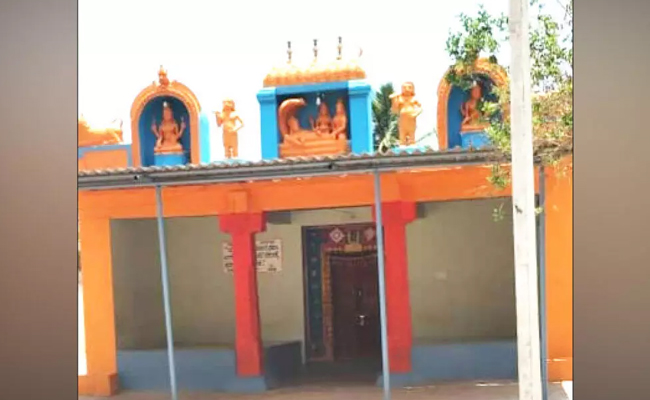
Tumakuru: Police in Turuvekere have arrested a 65-year-old man for allegedly obstructing a Dalit family from entering a temple and making caste-based remarks, officials said on Saturday.
The accused, identified as Rajanna, has been booked under provisions of the Scheduled Castes and Scheduled Tribes (Prevention of Atrocities) Act based on a complaint filed by Rangaramu T. of Thuyalahalli village.
According to the FIR, the incident took place on April 18 around 5:30 pm when Rangaramu T. and his family visited the Sri Ranganathaswamy temple in Mallur village to offer prayers. It states that the accused allegedly objected to their entry and made remarks referring to caste hierarchy and questioning their presence inside the temple premises.
The FIR further states that the accused made additional remarks asserting that such entry into the temple was not permitted and asked the family to leave. It also mentions that the complainant was subjected to mental harassment through these statements.
Following the complaint, DySP Om Prakash Gowda along with revenue officials and police visited the spot and conducted an inspection.
Further investigation is underway.