World car-free day: Exploring cities that have embraced a life without cars
In 2024, the global number of cars reached 1.475 billion, averaging one car for every 5.5 people. While cars offer convenience, they come at an environmental cost—each vehicle emits around 4.6 metric tons of carbon dioxide annually (U.S. Environmental Protection Agency). The combined impact of over a billion cars paints a grim picture for our planet.
However, a few cities around the world have taken a different path, opting to stay car-free. On World Car-Free Day, let’s take a look at some of these unique, traffic-free destinations:
Zermatt (Switzerland):At the foot of the Matterhorn, this alpine town has been car-free for decades. Visitors reach it by shuttle train, and within Zermatt, eTaxis, bikes, and free eBuses offer alternatives to cars.
La Digue Island (Seychelles): Known for its laid-back pace, La Digue is a car-free paradise. Bicycles and electric buggies are the primary means of transport, allowing visitors to enjoy the island's scenic beaches and wildlife without the hassle of traffic.
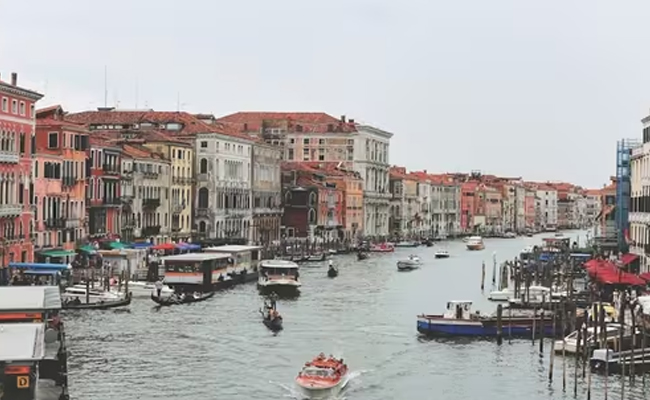
Venice (Italy): With over 400 bridges connecting its islands, Venice’s historic center is entirely car-free. Footpaths and canals define the city, which attracts millions of tourists each year.
Lamu (Kenya): This ancient Swahili town has banned cars, relying instead on donkeys and dhows for transportation. Its narrow streets, lined with centuries-old architecture, offer a glimpse into the region's rich cultural history.
Fes el Bali (Morocco): Fes’s medieval medina, a UNESCO World Heritage Site, is one of the world’s largest car-free zones. Its labyrinthine streets are often too narrow for even bicycles, preserving its authentic feel.
Ghent (Belgium): Since 2017, Ghent's city center has been car-free. A network of buses, trams, and electric boats provide eco-friendly transportation throughout this historic university town.
Hydra (Greece): Cars and bicycles are banned on this mountainous island, leaving walking and mule rides as the main modes of transportation.
Giethoorn (Netherlands): Dubbed the "Dutch Venice," Giethoorn lacks cars and roads. Canals and footbridges guide visitors through this picturesque village, offering a peaceful escape from modern transportation.
Yelapa (Mexico): Accessible only by boat, this tranquil village on the Bay of Banderas offers a glimpse of simple living, with no cars and a connection to nature.
These car-free cities remind us that it’s possible to live without the constant noise and pollution of cars, offering a cleaner, quieter way of life.
Let the Truth be known. If you read VB and like VB, please be a VB Supporter and Help us deliver the Truth to one and all.
CM Siddaramaiah alleges ‘criminal conspiracy’ in Sringeri recount, vows legal action
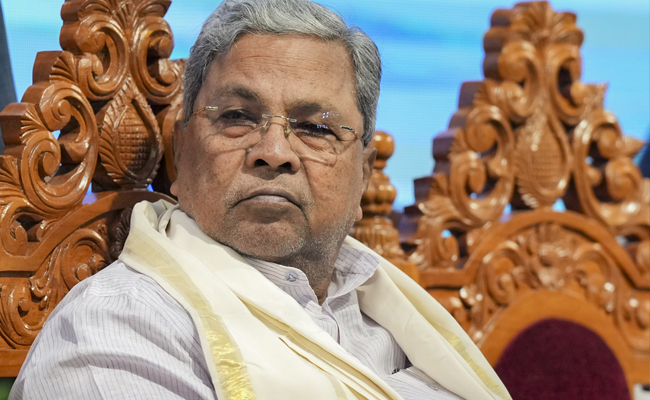
Bengaluru (PTI): Alleging a “criminal conspiracy” by BJP candidate D N Jeevaraj in the Sringeri Assembly poll recounting, Karnataka CM Siddaramaiah on Tuesday said the outcome was manipulated after valid postal ballot votes in favour of Congress leader T D Raje Gowda were tampered with during the recounting process.
Following a Karnataka High Court order on an election petition filed by Jeevaraj, challenging Raje Gowda’s election, the reverification and recounting were conducted on Saturday.
After the reverification and recount of postal ballots for the Sringeri Assembly constituency, votes polled in favour of Raje Gowda were reduced by 255, the returning officer said.
A report on the matter has been submitted to the Election Commission of India for further action, the officer added.
Congress leader Raje Gowda had won the 2023 Assembly polls from Sringeri by 201 votes, defeating his nearest rival Jeevaraj.
Addressing a press conference in Bengaluru, Siddaramaiah said the High Court had directed the recounting of postal ballots and that irregularities were noticed during the exercise conducted on May 2.
“This is a clear case of criminal conspiracy,” Siddaramaiah said, alleging that valid votes cast in favour of Raje Gowda were altered after being accepted by counting agents of all parties, including Congress, BJP, and JD(S).
He claimed that during the recounting of postal ballots, 255 votes were initially accepted as valid by all agents but were later tampered with by subordinate officials.
“There is a second mark on the votes polled in favour of Raje Gowda. They had accepted these as valid votes. Subsequently, another mark was made by officials. This is a clear case of criminal conspiracy,” he said.
When asked who was behind the alleged conspiracy, the CM replied, “It was hatched by Jeevaraj and others. It is planned.”
Siddaramaiah further alleged that the returning officer acted improperly by declaring the result despite the presence of an Election Commission observer during the recounting.
“Immediately after the counting, the returning officer announced the result. He should not have done so; this is against the law,” he said.
He pointed out that Raje Gowda had originally won by 201 votes, but after the recounting, the BJP candidate was declared the winner by 52 votes.
“The BJP has committed a criminal act of conspiracy. This is not vote chori but vote dacoity,” he alleged.
The CM said a police complaint had already been filed by Raje Gowda’s election agent, Sudhir Kumar, and emphasised the need for electoral integrity.
“We want transparency and free and fair elections. That is what our Constitution mandates,” he added.
Stating that the government would pursue legal remedies, Siddaramaiah said, “We are preparing an appeal challenging the returning officer’s announcement in a court of law.”
Responding to a separate query on elections in other states, the CM said there appeared to be an anti-incumbency factor in West Bengal, while results in Tamil Nadu were “surprising,” adding that Vijay’s party was emerging as the largest there.
Following the victory of party candidates in Bagalkote and Davanagere South, Siddaramaiah expressed confidence about future electoral prospects in Karnataka.
“Even in 2028, we will win the Assembly elections. We will come back,” the CM said.
Siddaramaiah added that he would order a forensic examination into the alleged tampering of postal ballots.