Andhra eyes top 5 global quantum hub status, CM Naidu announces action plan
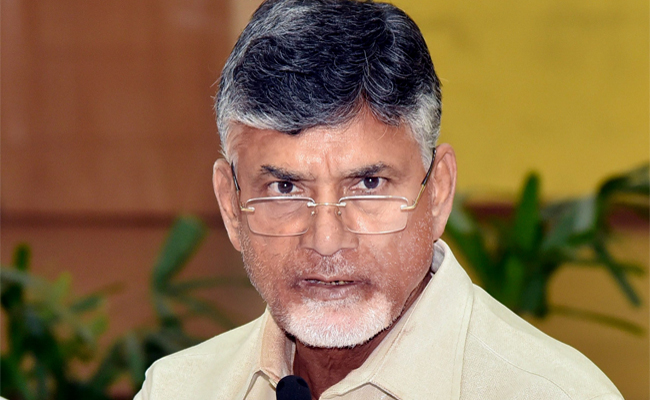
Amaravati (PTI): Andhra Pradesh Chief Minister N Chandrababu Naidu on Tuesday said the greenfield capital city of Amaravati is set to become India’s first quantum computing hub.
The country’s first Open Quantum Computer will be launched here on April 14.
Naidu said the quantum computer will be a valuable tool for students and researchers for testing purposes.
“Amaravati is going to emerge as India’s first quantum computing hub with the launch of the first Open Quantum Computer on April 14, which will be useful for students and researchers,” he said in a press release.
With this development, Naidu noted that Andhra Pradesh is positioning itself as a leader in next-generation technologies.
The Amaravati Quantum Computing Valley (AQV) is expected to provide a new direction to India’s technology ecosystem.
Addressing a roundtable conference on the quantum hardware manufacturing ecosystem at the state secretariat, Naidu emphasised the need to develop a domestic quantum hardware ecosystem within the next two years.
He reaffirmed that Andhra Pradesh is among the front-runners in implementing the National Quantum Mission, with Amaravati set to emerge as a world-class, future-ready innovation hub.
Naidu urged all stakeholders to collaborate in building a self-reliant quantum ecosystem, reducing dependence on imports, and positioning India as a global leader in quantum technology, said a press release.
Key participants included representatives from the National Quantum Mission, IBM, CDAC, CDOT, DRDO, Naval Science & Technological Laboratory, and BARC, along with academic experts from IIT Tirupati and IIT Madras.
Other attendees included National Quantum Mission director JBV Reddy, State Quantum Mission director CV Sridhar, IBM director Amit Sanghi, and senior officials.
Naidu outlined a comprehensive roadmap for developing quantum computing hardware, components, and algorithms within the state.
He underscored the importance of building a robust ecosystem covering cryogenics, photonics, and power electronics, and called for promoting startups, innovation, and research collaborations to develop 'Made in Amaravati' quantum products.
The roundtable resolved to transform Andhra Pradesh into one of the top five global quantum computing hubs by 2030, finalising an action plan featuring advanced infrastructure, including eight towers dedicated to quantum computing, research, innovation, and startups.
“The roundtable has decided to implement an action plan to turn Andhra Pradesh into one of the top five global quantum computing hubs by 2030,” the release said.
Naidu added that skill development programs are being launched to train youth in quantum technologies, with emerging services such as AI Doctor, AI Tutor, and AI Agronomist expected to benefit citizens.
The discussions focused on manufacturing quantum computing components in Amaravati Quantum Valley, along with hardware, algorithms, and related technologies. The roundtable also outlined plans to develop AQV’s infrastructure and establish a hardware ecosystem.
Under the ‘Made in Amaravati’ initiative, the participants emphasised intensive efforts to manufacture quantum computing components locally, promote research and innovation through startups, and develop a bio-foundry.
The release noted that Andhra Pradesh has already begun its quantum technology journey, pioneering a state-specific quantum computing policy.
The government has signed agreements with 15 companies, and seven have already commenced operations in Vijayawada.
These companies have expressed readiness to contribute technologies, including quantum simulators, biosensors, mineral sensors, and laser-based applications, it added.
Let the Truth be known. If you read VB and like VB, please be a VB Supporter and Help us deliver the Truth to one and all.
Min. Priyank Kharge to expresses concern over implementation of VB-G Ram G
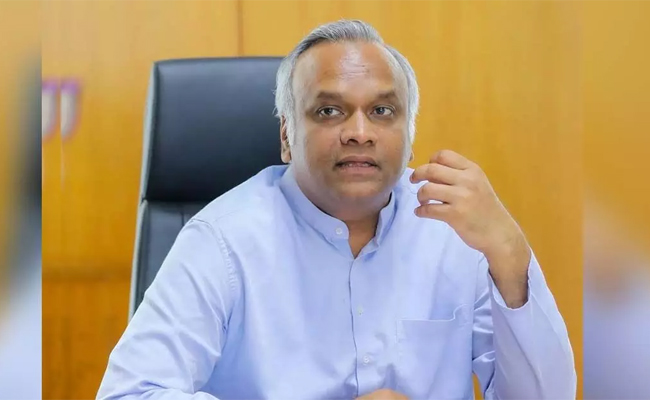
Bengaluru: Rural Development and Panchayati Raj Minister Priyank Kharge has expressed concern over the uncertainty surrounding the implementation of the proposed VB-G Ram G scheme, stating that the MNREGA programme, which has been a lifeline for rural India for nearly two decades, appears to be facing an uncertain future.
Speaking to media, Kharge said that as March 31 draws to a close, there is no clarity on the rollout of the new scheme from April 1. He pointed out that the central government has not yet issued the necessary guidelines for implementing the scheme for rural workers and villages.
He criticised the Centre for its lack of preparedness, stating that there is no clarity on fund allocation, no final parameters for classifying gram panchayats, and key processes such as social audits have not been defined.
Kharge said the situation comes at a critical time, as summer marks a peak period for rural employment demand, when many people depend heavily on wage employment for their livelihood.
He added that reports have emerged of delays in approvals and families not receiving work despite demand.
He further alleged that the Centre’s move to shift from a statutory employment guarantee to a rule-based allocation system is already showing negative consequences.
Kharge also raised concerns over provisions such as a mandatory 60-day halt during agricultural seasons, which he said would further limit employment opportunities for rural workers.
The BJP-led central government had claimed that the new scheme would transform rural India, but in reality it is turning out to be detrimental to people’s livelihoods, he said.
“The crisis in rural India due to the stalling of MNREGA is beginning to unfold. Given the Centre’s past record in handling such situations, there is growing concern over the impact on rural livelihoods,” Kharge said.