CRPF orders high-level inquiry into patient death during vehicular restriction in J-K
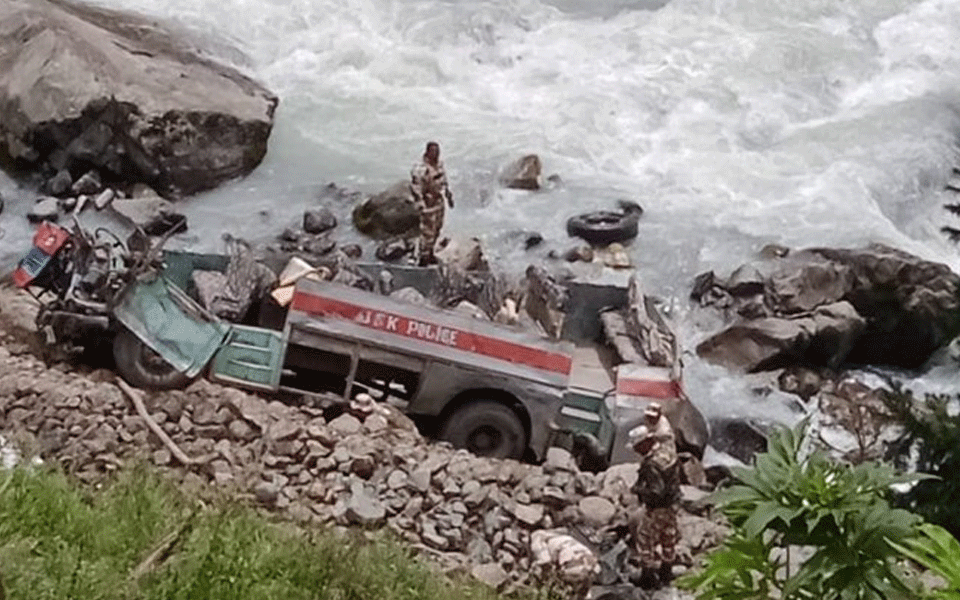
New Delhi: The CRPF has ordered a "high-level inquiry" into the death of a patient as his ambulance was stopped due to the latest restriction imposed on the movement of civilian traffic in Jammu and Kashmir in the wake of the Pulwama terror attack.
The force issued a public statement saying it was "deeply anguished at the sad demise of Abdul Qayoom Banday of Doda".
It said the man was suffering from terminal illness and his ambulance was "asked to halt" near Lower Munda area on April 10 while on way to Doda from Srinagar after being discharged by a hospital.
It said the ambulance was stopped due to the "restrictions placed by the government on civilian traffic movement."
"We express our sincere condolences and sympathise with the Banday family for their loss. We would like to assure the citizens of Jammu and Kashmir that strict instructions are in place to enable speedy passage to ambulances and ailing civilians."
"A high-level enquiry has been ordered into the incident," it added.
Let the Truth be known. If you read VB and like VB, please be a VB Supporter and Help us deliver the Truth to one and all.
Min. Priyank Kharge to expresses concern over implementation of VB-G Ram G
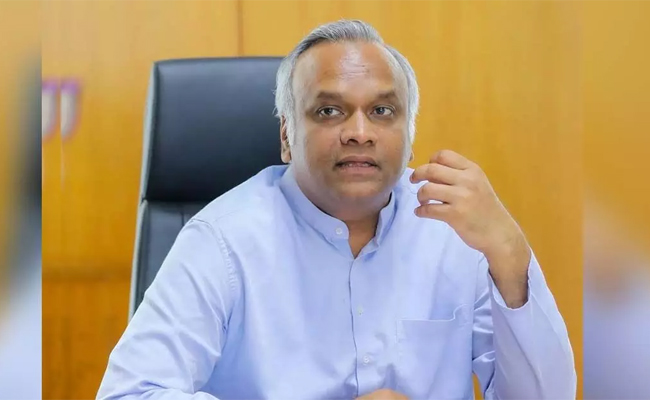
Bengaluru: Rural Development and Panchayati Raj Minister Priyank Kharge has expressed concern over the uncertainty surrounding the implementation of the proposed VB-G Ram G scheme, stating that the MNREGA programme, which has been a lifeline for rural India for nearly two decades, appears to be facing an uncertain future.
Speaking to media, Kharge said that as March 31 draws to a close, there is no clarity on the rollout of the new scheme from April 1. He pointed out that the central government has not yet issued the necessary guidelines for implementing the scheme for rural workers and villages.
He criticised the Centre for its lack of preparedness, stating that there is no clarity on fund allocation, no final parameters for classifying gram panchayats, and key processes such as social audits have not been defined.
Kharge said the situation comes at a critical time, as summer marks a peak period for rural employment demand, when many people depend heavily on wage employment for their livelihood.
He added that reports have emerged of delays in approvals and families not receiving work despite demand.
He further alleged that the Centre’s move to shift from a statutory employment guarantee to a rule-based allocation system is already showing negative consequences.
Kharge also raised concerns over provisions such as a mandatory 60-day halt during agricultural seasons, which he said would further limit employment opportunities for rural workers.
The BJP-led central government had claimed that the new scheme would transform rural India, but in reality it is turning out to be detrimental to people’s livelihoods, he said.
“The crisis in rural India due to the stalling of MNREGA is beginning to unfold. Given the Centre’s past record in handling such situations, there is growing concern over the impact on rural livelihoods,” Kharge said.