Delhi court grants bail to man accused in POCSO case
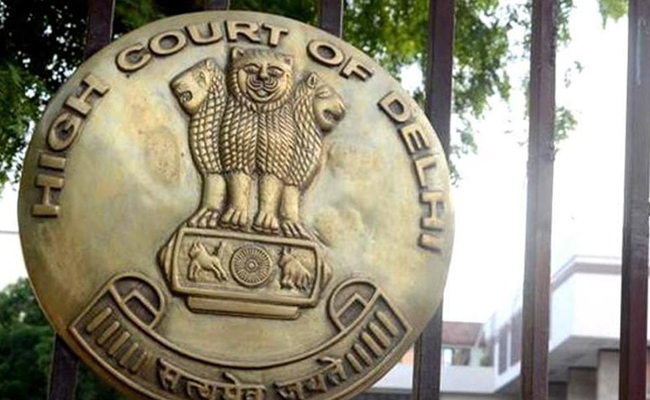
New Delhi (PTI): A Delhi court has granted bail to a man accused of raping a minor girl, saying the victim did not allege forcible penetrative sexual assault, nor did her family members oppose the bail plea.
Additional Sessions Judge Mona Tardi Kerketta was hearing the bail plea of the man, who was 23 at the time of the alleged rape of the 17-year-old girl.
The accused had been in jail since last November after a case was registered against him under the penal provision for rape and under Section 6 (aggravated penetrative sexual assault) of the Protection of Children from Sexual Offences (POCSO) Act.
In the order dated January 6, the court noted that a complaint had been registered by the victim's sister, which said the minor girl was missing.
After investigation, it was found that she had eloped with the accused to Agra and married him, and that the couple had an eight-month-old girl.
It said the "aggravating circumstances" for the grant of bail in a POCSO case, as laid down by the Supreme Court, did not exist in the present matter.
“The age difference between them is not vast, as the accused was about 23 and the victim about 17 at the time of the alleged incident. There is no allegation of forcible sexual assault, nor is there an allegation of any kind of physical violence or abuse by the accused,” the court said.
The victim and her family members did not oppose the bail plea and, in fact, requested that the accused be granted the relief so that he could support the victim and her minor child, it said.
“The victim, though not major, was not of such a tender age that she could not understand the implication of her sexual relationship with the accused,” the court observed.
It said that in the name of investigation, police merely produced the victim before the child welfare committee, recorded her statement before a magistrate, obtained a blood sample of the accused and issued notice to the first attended school of the victim for providing her age-related documents.
“The accused has been in judicial custody since November 24, 2025, and admittedly, custodial interrogation is not required for further investigation. The victim has also not made any allegations of forceful penetrative sexual assault against the accused in any of her statements,” the court noted, and granted the accused bail on furnishing personal and surety bonds of Rs 25,000 each.
Other conditions of bail included the accused joining the investigation when required, not influencing witnesses or tampering with evidence, and appearing regularly to face trial.
Let the Truth be known. If you read VB and like VB, please be a VB Supporter and Help us deliver the Truth to one and all.
4 workers die after being buried under coal slurry in Jharkhand's Dhanbad

Dhanbad (Jharkhand) (PTI): At least four workers died after being buried under coal slurry in Jharkhand's Dhanbad district on Saturday, a police official said.
The incident took place at Moonidih coal washery in the command area of Bharat Coking Coal Limited (BCCL).
"Bodies of all four workers were dug out of debris during a rescue operation," Putki police station in-charge Waqar Hussain told PTI.
The incident took place when coal slurry was being loaded into trucks by workers, during which a large chunk of slurry fell and trapped several workers underneath, officials said.
The deceased have been identified as Manik Bauri, Dinesh Bauri, Deepak Bauri, and Hemlal Gope.
Meanwhile, the family members of the deceased and local villagers placed the bodies in front of the washery gate and began a protest.
They demanded compensation, jobs for dependents and action against those responsible for the incident.
Police and administration officials are trying to pacify the protesters, an official said.